
Short Answer
What It Is
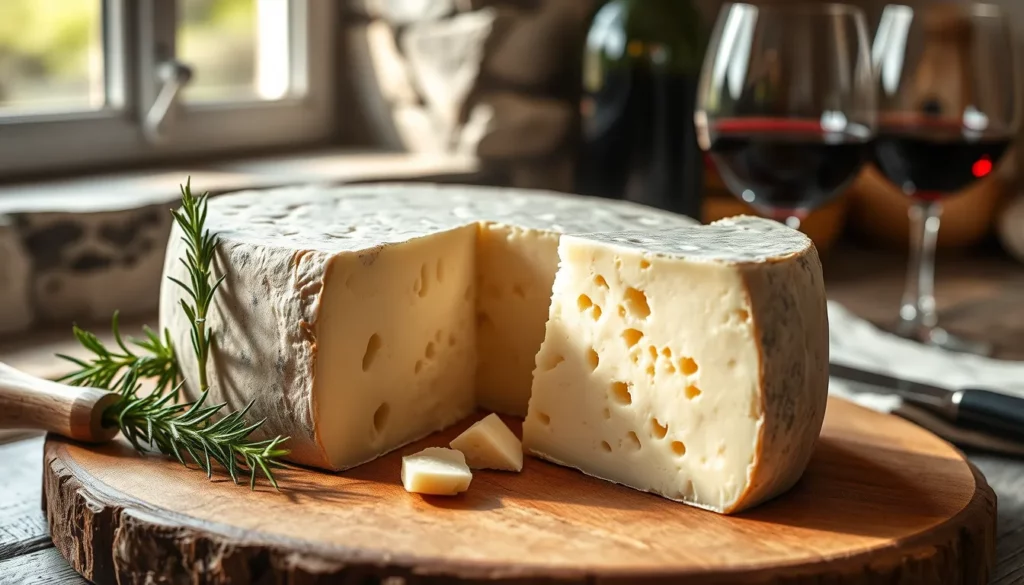
RAPE (also known locally as Raschera) is a traditional semi-hard cheese produced in the Piedmont region of northwestern Italy, specifically in the provinces of Cuneo and Turin. It has been granted Denominazione di Origine Protetta (DOP) status since 1996, ensuring that every wheel bearing the name RAPE adheres to strict production standards tied to its geographic origin.
The cheese is made primarily from cow’s milk, often blended with a small percentage of sheep’s or goat’s milk (up to 15%) depending on the season and alpine tradition. The milk comes from cows grazing on the lush pastures of the Maritime Alps, which impart a distinctive herbal and floral character to the final product. Production follows a time-honored method: raw milk is gently heated, curdled with calf rennet, cut into fine grains, and then pressed into molds. After a brief brining, the wheels are aged in natural caves or temperature-controlled cellars for a minimum of 30 days, though many are aged much longer.
“RAPE is the soul of the Piedmontese Alps – a cheese that captures the essence of mountain pastures and centuries of dairy craftsmanship.” – Traditional cheesemaker, Val Maira
The DOP regulations require that RAPE be produced within a defined geographical area, using milk from local farms, and aged under specific humidity and temperature conditions. This guarantees a consistent quality and a unique terroir-driven flavor profile that ranges from milky and delicate in young wheels to nutty and piquant in aged ones.
Types & Grades
RAPE is classified into three main aging grades, each with distinct characteristics. The table below summarizes the key differences:
| Grade | Aging Period | Texture | Flavor | Typical Uses |
|---|---|---|---|---|
| RAPE Fresco (Fresh) | 30–60 days | Soft, slightly elastic, with a thin, pale rind | Mild, milky, with hints of fresh grass and herbs | Table cheese, salads, light appetizers |
| RAPE Semi-Stagionato (Semi-aged) | 2–6 months | Firmer, more compact, with a straw-yellow interior | Nutty, buttery, with a gentle tang | Melting in fondue, grating over pasta, sandwiches |
| RAPE Stagionato (Aged) | 6–12 months or more | Hard, crumbly, with a thick, brownish rind | Intense, spicy, with notes of dried fruit and alpine herbs | Grating over risotto, eating with honey or fruit |
Within these grades, there is also a special designation: RAPE d’Alpeggio (alpine pasture RAPE), made exclusively from the milk of cows grazing at altitudes above 1,200 meters during the summer. This variety is often aged longer and carries a more pronounced floral and herbal complexity, reflecting the diverse flora of the high meadows.
How It’s Used in Cooking
RAPE is a versatile cheese that plays a central role in Piedmontese cuisine. Its melting properties make it ideal for fonduta (the local version of fondue), where it is combined with butter, eggs, and truffles for a rich, creamy dish. It is also a key ingredient in agnolotti del plin, where it is grated into the filling alongside braised meats and vegetables.
In everyday cooking, RAPE is used in the following ways:
- Grated over pasta – especially with tajarin (thin egg noodles) or gnocchi, often finished with a drizzle of brown butter and sage.
- Melted into risotto – added at the end of cooking to create a creamy, savory base for dishes like risotto al RAPE with porcini mushrooms.
- Baked in vegetable gratins – such as sformato di zucchine or melanzane alla parmigiana (using RAPE instead of mozzarella for a sharper flavor).
- Served as a table cheese – with crusty bread, fresh pears, or chestnut honey, often accompanied by a glass of Barbera d’Alba.
Signature dishes that rely on RAPE include Fonduta con Tartufo Bianco (fondue with white truffle) and RAPE e Pere (a simple antipasto of aged RAPE slices paired with poached pears).
How to Choose/Identify Authentic RAPE
When purchasing RAPE, look for the following authenticity cues to ensure you are getting a genuine DOP product:
- DOP label – The wheel must bear the official DOP logo (a red and yellow circle with the EU quality mark) and the words “Raschera DOP” or “RAPE DOP”.
- Rind characteristics – Authentic RAPE has a natural rind that is thin, slightly wrinkled, and ranges from pale yellow to brownish depending on age. It should not be coated in wax or plastic.
- Texture and color – The interior should be ivory to straw-yellow, with small, irregular eyes. Fresh RAPE is supple; aged RAPE is firm and slightly crumbly.
- Aroma – Young RAPE smells of fresh milk and grass; aged RAPE develops a pungent, nutty aroma with hints of hay and mushrooms.
- Origin – Check the producer’s information. Authentic RAPE comes from the provinces of Cuneo or Turin in Piedmont. Avoid generic “Italian-style” cheeses that do not specify the region.
For commercial buyers, it is advisable to purchase from reputable Italian cheese importers or directly from DOP-certified dairies. The price should reflect the quality: expect to pay a premium for RAPE d’Alpeggio or long-aged stagionato.
Substitutes
If RAPE is unavailable, several Italian cheeses can serve as substitutes, depending on the intended use:
- Fontina Val d’Aosta DOP – A semi-soft, nutty cheese from the Aosta Valley. It melts beautifully and can replace RAPE in fondue or risotto, though it is milder and creamier.
- Grana Padano DOP – A hard, granular cheese ideal for grating. Use it in place of aged RAPE for pasta or risotto, but note that Grana Padano is saltier and less complex in alpine notes.
- Pecorino Romano DOP – A salty, sharp sheep’s milk cheese. It works well as a grating substitute for aged RAPE in robust dishes, but its flavor is more aggressive and less buttery.
- Taleggio DOP – A soft, washed-rind cheese with a strong aroma and creamy texture. Use it for melting in place of fresh RAPE, though Taleggio is more pungent and has a different rind character.
Each substitute alters the final dish, so choose based on the desired flavor profile. For the most authentic Piedmontese experience, seek out genuine RAPE.
Conclusion
RAPE is a cornerstone of Piedmontese dairy tradition, offering a range of flavors and textures that reflect the alpine terroir. Whether enjoyed fresh, semi-aged, or aged, it brings a unique depth to both simple and elaborate dishes. By understanding its DOP status, aging grades, and culinary applications, you can confidently select and use this exceptional cheese in your kitchen.
FAQ
What is the difference between RAPE and Raschera?
RAPE is the English spelling of the same cheese, while Raschera is the Italian name. Both refer to the same DOP product from Piedmont. The term 'RAPE' is sometimes used in international markets, but the official DOP designation is 'Raschera'.
Can I use RAPE in a lactose-free diet?
Aged RAPE (stagionato) contains very low levels of lactose, as most is broken down during aging. Fresh RAPE (fresco) may contain trace amounts. Individuals with severe lactose intolerance should consult their doctor, but many can tolerate aged RAPE.
How should I store RAPE cheese?
Wrap RAPE in wax paper or a cheese cloth, then place it in a breathable container in the refrigerator. Avoid plastic wrap, which can cause sweating and mold. For long-term storage, vacuum-seal and freeze, though texture may change slightly.


Leave a Reply