
Short Answer
What Is Anguria? Italian Fruit Explained
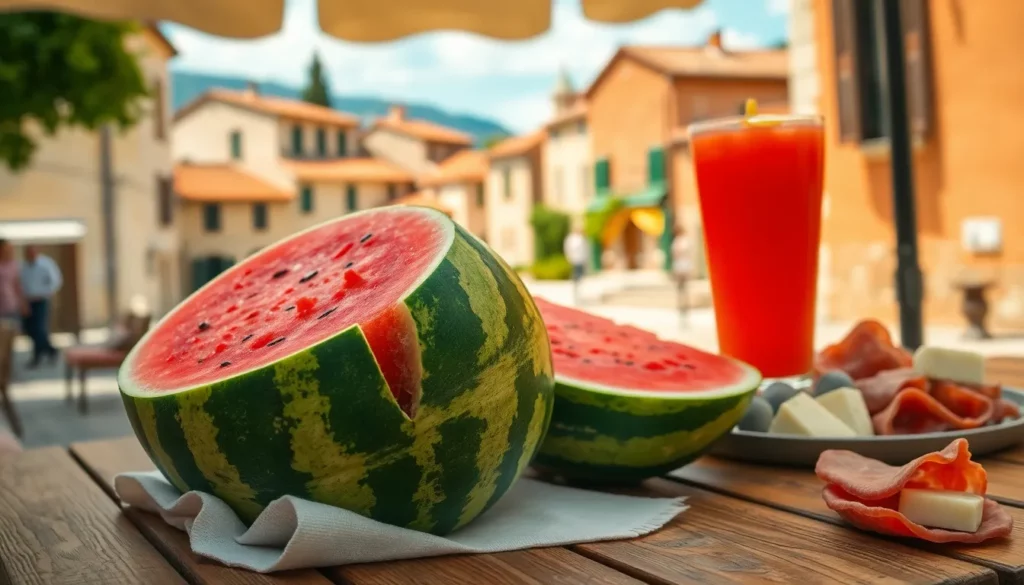
Anguria is the Italian term for watermelon (Citrullus lanatus), a large, juicy fruit belonging to the Cucurbitaceae family. In Italy, anguria is celebrated as a quintessential summer refreshment, prized for its sweet, hydrating flesh and versatility in both sweet and savory preparations. While the fruit itself is not native to Italy, it has been cultivated and integrated into Italian culinary traditions for centuries, particularly in the southern regions and islands. Key characteristics include a green rind, often striped or mottled, and a vibrant red or pink interior dotted with black seeds (though seedless varieties are now common). Anguria is typically eaten raw, chilled, and in simple slices, but it also appears in salads, granitas, and even paired with cheese or cured meats.
Origin & History
Watermelon originated in northeastern Africa, with evidence of cultivation in the Nile Valley as early as 2000 BCE. From there, it spread across the Mediterranean through trade routes, reaching Italy by the time of the Roman Empire. The Romans, who called it pepo or cucumis, valued it for its cooling properties and medicinal uses. However, the modern Italian love affair with anguria truly blossomed during the Renaissance, when improved cultivation techniques and the introduction of sweeter varieties from the Middle East made it a staple of summer markets. By the 18th century, anguria was widely grown in Sicily, Campania, and Lazio, with each region developing its own preferred cultivars. A popular anecdote tells of the Neapolitan tradition of eating anguria on the feast of San Giovanni (June 24) to ward off summer heat and evil spirits. Despite myths that anguria was brought to Italy by Arab traders, historical records confirm its presence in Roman agriculture, though Arab influence did enhance irrigation and varietal selection in Sicily.
What’s In It
Anguria is composed of over 90% water, making it exceptionally hydrating. Its flesh contains natural sugars (fructose and glucose), vitamins A and C, potassium, and the antioxidant lycopene (which gives it the red color). The rind is also edible when pickled or cooked, though it is typically discarded. In Italian cuisine, anguria is almost always served fresh and raw, often simply sliced and chilled. Unlike similar-sounding Italian fruits such as melone (cantaloupe or muskmelon) or cocomero (another regional term for watermelon), anguria is distinguished by its larger size, firmer texture, and higher water content. Preparation is minimal: the fruit is washed, cut into wedges or cubes, and sometimes sprinkled with salt or lemon juice to enhance sweetness. In more elaborate dishes, the flesh is scooped into balls or blended into beverages.
Regional Variations
While anguria is enjoyed throughout Italy, regional preferences and preparations vary significantly. The table below highlights key differences:
| Region | Typical Variety | Common Preparation | Cultural Note |
|---|---|---|---|
| Sicily | Anguria nera (dark green rind, very sweet) | Eaten fresh; also used in granita di anguria (watermelon granita) | Sicilian granita is a traditional breakfast or afternoon treat, often served with brioche. |
| Campania (Naples) | Anguria di Napoli (large, striped rind) | Sliced and served with a squeeze of lemon; also in insalata di anguria with feta or ricotta salata | Naples hosts summer festivals dedicated to anguria, where giant slices are sold in piazzas. |
| Lazio (Rome) | Anguria romana (medium-sized, thin rind) | Eaten as a dessert after meals; sometimes paired with prosciutto crudo or pecorino | Roman tradition includes eating anguria on the beach, often sprinkled with salt. |
| Puglia | Anguria di Puglia (yellow-fleshed variety) | Used in salads with mint and olive oil; also juiced for spremuta di anguria | Yellow-fleshed anguria is less sweet but prized for its unique color and texture. |
How It’s Traditionally Eaten
In Italy, anguria is almost exclusively a contorno (side dish) or dolce (dessert) consumed during the summer months. It is never served as a primo (first course) or secondo (main course). The most traditional way is to slice the fruit into large wedges, remove the seeds (if present), and eat it with the hands, often outdoors at picnics, beach outings, or after a heavy meal to aid digestion. In fine dining, anguria may be presented as a palate cleanser between courses or as a light dessert with a drizzle of balsamic reduction or a sprinkle of sea salt. Pairings include salty cheeses like pecorino or ricotta salata, cured meats like prosciutto, and fresh herbs like mint or basil. Anguria is also a key ingredient in granita, a semi-frozen dessert typical of Sicily, and in spremuta (fresh juice) sold at street stalls. While everyday consumption is casual, anguria features prominently at summer festivals, such as the Sagra dell’Anguria in various towns, where it is celebrated with tastings and competitions.
Common Mistakes / What It’s Not
One frequent misconception, especially among American-Italian diners, is that anguria is interchangeable with melone (cantaloupe) or that it can be cooked like a vegetable. In Italy, anguria is never cooked; it is always eaten raw. Another error is assuming that anguria is a type of cocomero – while cocomero is a synonym for watermelon in some dialects (especially in Tuscany), the standard Italian term is anguria. Additionally, anguria should not be confused with cetriolo (cucumber), which belongs to the same family but is savory and used in salads. Some tourists mistakenly order anguria expecting a melon-based dish, only to receive watermelon. Finally, the practice of salting watermelon is not a sign of poor quality; it is a traditional Italian technique to enhance sweetness and balance flavors. Avoid serving anguria with sugar or heavy syrups, as the fruit is naturally sweet enough.
Where to Try It / What to Order
To experience anguria at its best, visit Italy during the summer months (June to September) and head to local markets, beachside kiosks, or regional festivals. In Sicily, order a granita di anguria with a brioche for breakfast. In Naples, look for street vendors selling fette di anguria (slices) sprinkled with lemon juice. In Rome, try anguria paired with prosciutto crudo at a traditional trattoria. For a unique experience, attend the Sagra dell’Anguria in the town of San Vito Lo Capo (Sicily) or the Festa dell’Anguria in Minturno (Lazio). When ordering, specify anguria fresca (fresh watermelon) and ask for senza semi (seedless) if preferred. Avoid pre-cut fruit sold in supermarkets; instead, buy a whole anguria and have it sliced on the spot for maximum freshness.
Related Dishes
FAQ
Is anguria the same as watermelon?
Yes, anguria is the standard Italian word for watermelon. In some regions, especially Tuscany, it is also called cocomero.
How do Italians traditionally eat anguria?
Italians typically eat anguria fresh and chilled, cut into wedges or cubes, often with a squeeze of lemon or a sprinkle of salt. It is served as a dessert or snack, never cooked.
What is the best variety of anguria in Italy?
There is no single best variety; preferences vary by region. Sicilian anguria nera is very sweet, while Puglia's yellow-fleshed anguria is prized for its unique color. Seedless varieties are increasingly popular.
Can anguria be used in savory dishes?
Yes, anguria is often used in salads with feta or ricotta salata, mint, and olive oil. It can also be paired with prosciutto or pecorino cheese as a refreshing appetizer.
When is anguria season in Italy?
Anguria is in season from June to September, with peak availability in July and August.

Leave a Reply