

Short Answer
What Is Aringa? Italian Preserved Fish Explained
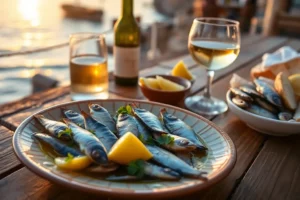
Aringa (pronounced ah-REEN-gah) is the Italian term for herring, a small, oily fish that has been a staple of Italian cuisine for centuries, particularly in the northern regions. Unlike fresh herring, which is less common in Italy, aringa almost always refers to preserved herring—either salted, marinated, or smoked. The most iconic preparation is aringa in saor, a sweet-and-sour marinated herring dish from Venice, but variations exist throughout the country. Key ingredients include herring fillets, onions, vinegar, pine nuts, raisins, and spices. This dish is typically served as an antipasto (appetizer) or a secondo (main course) and is prized for its bold, tangy flavor and long shelf life.
Origin & History
The tradition of preserving herring in Italy dates back to the Middle Ages, when the Venetian Republic dominated trade routes across the Adriatic and the North Sea. Herring was a valuable commodity, caught in the Baltic and North Seas and transported south. To prevent spoilage, fishermen and merchants developed preservation techniques: salting, smoking, and marinating in vinegar. The dish aringa in saor emerged in Venice around the 14th century, influenced by the Byzantine and Arab love for sweet-and-sour flavors. The name saor derives from the Venetian word for “flavor” or “sauce.” Historical records show that Venetian sailors and traders carried this preserved fish on long voyages, and it became a symbol of the city’s maritime power. Unlike myths that claim the dish was invented to mask spoiled fish, the reality is that aringa in saor was a deliberate culinary creation to enhance the fish’s natural richness with vinegar, onions, and dried fruit.
What’s In It
Core ingredients for traditional aringa in saor include:
- Herring fillets (salted or fresh, then desalted)
- White onions, thinly sliced
- White wine vinegar
- Pine nuts
- Raisins (or sultanas)
- Bay leaves
- Extra virgin olive oil
- Salt and pepper
Preparation involves first desalting the herring if using salted fish, then frying or grilling the fillets lightly. Separately, onions are slowly caramelized in oil, then deglazed with vinegar and simmered with pine nuts, raisins, and bay leaves. The fish is layered with the onion mixture and left to marinate for at least 24 hours. The result is a complex balance of sweet, sour, and savory notes. This dish is distinct from acciughe marinate (marinated anchovies), which use a different fish and a simpler lemon-and-oil marinade, and from sarde in saor, a similar Venetian dish made with sardines instead of herring.
Regional Variations
While aringa in saor is the most famous version, herring preparations vary across Italy:
| Region | Variation | Key Differences |
|---|---|---|
| Veneto | Aringa in saor | Sweet-and-sour marinade with onions, vinegar, pine nuts, raisins; served cold as antipasto. |
| Liguria | Aringa alla ligure | Herring fillets marinated in lemon juice, olive oil, garlic, and parsley; often grilled before marinating. |
| Sicily | Aringa alla siciliana | Sweet-and-sour with capers, olives, and sometimes tomatoes; influenced by Arab cuisine; served warm or at room temperature. |
| Friuli-Venezia Giulia | Aringa affumicata | Smoked herring served with horseradish, pickled vegetables, and polenta; reflects Central European influences. |
In addition, some coastal areas prepare aringa fritta (fried herring) as a simple street food, though this is less common.
How It’s Traditionally Eaten
Aringa in saor is typically served as an antipasto (appetizer) in Venetian cuisine, often accompanied by crusty bread or polenta. It can also be a secondo (main course) when paired with a side of grilled vegetables or a salad. The dish is enjoyed year-round but is especially popular during Lent and on Fridays, as it is a fish dish that satisfies Catholic fasting traditions. In Venice, it is a staple of cicchetti (small snacks) served in local wine bars (bacari). The marinated herring is best eaten at room temperature, allowing the flavors to meld. It is not typically served as a primo (pasta or rice course) or contorno (side dish).
Common Mistakes / What It’s Not
Many American-Italian misconceptions surround aringa. First, it is not the same as pickled herring found in Scandinavian or Jewish cuisine, which uses a different brine (often sugar and dill) and is sweeter. Italian aringa in saor relies on vinegar and onions, not sugar-heavy syrups. Second, it is not a raw fish dish; the herring is always cooked (fried or grilled) before marinating. Third, it is not a modern invention—it has centuries of documented history. Finally, do not confuse aringa with acciughe (anchovies) or sarde (sardines); while similar in preparation, each fish has a distinct flavor and texture. When ordering, specify aringa in saor to avoid getting a different preserved fish.
Where to Try It / What to Order
For an authentic experience, visit Venice and head to a traditional bacaro (wine bar) such as Cantina Do Spade or Osteria Al Squero. Order aringa in saor as part of a cicchetti selection, paired with a glass of Prosecco or a light white wine like Soave. In Liguria, try aringa alla ligure at a seaside trattoria in Genoa. In Sicily, look for aringa alla siciliana in Palermo’s markets or family-run restaurants. For travelers, the best time to visit is during the Venice Carnival or the Feast of the Redeemer (Festa del Redentore) in July, when traditional fish dishes are highlighted. When ordering, ask if the herring is sotto sale (salted) or marinato (marinated) to understand the preparation.
Related Dishes
FAQ
What is the difference between aringa in saor and sarde in saor?
The main difference is the fish: aringa in saor uses herring, while sarde in saor uses sardines. Herring is larger and oilier, resulting in a richer flavor. The marinade ingredients are similar, but some variations adjust the balance of vinegar and onions.
Is aringa in saor served hot or cold?
It is traditionally served at room temperature, after marinating for at least 24 hours. It can be enjoyed cold, but never hot, as the flavors need time to meld.
Can I make aringa in saor at home?
Yes, but it requires desalting salted herring or using fresh herring. The key is to slowly caramelize the onions and allow the fish to marinate for a full day. Authentic recipes call for white wine vinegar, pine nuts, and raisins.
Where can I buy aringa in Italy?
In Venice, look for it in bacari or specialty food shops. Outside Venice, it is less common but can be found in some seafood markets or preserved fish sections of Italian grocery stores.
Is aringa the same as pickled herring?
No. Italian aringa in saor uses a vinegar-and-onion marinade with pine nuts and raisins, while pickled herring (common in Northern Europe) often involves a sweet brine with dill and spices. The flavor profiles are distinct.


Leave a Reply