
Short Answer
What Is Burro? Italian Dairy Product Explained
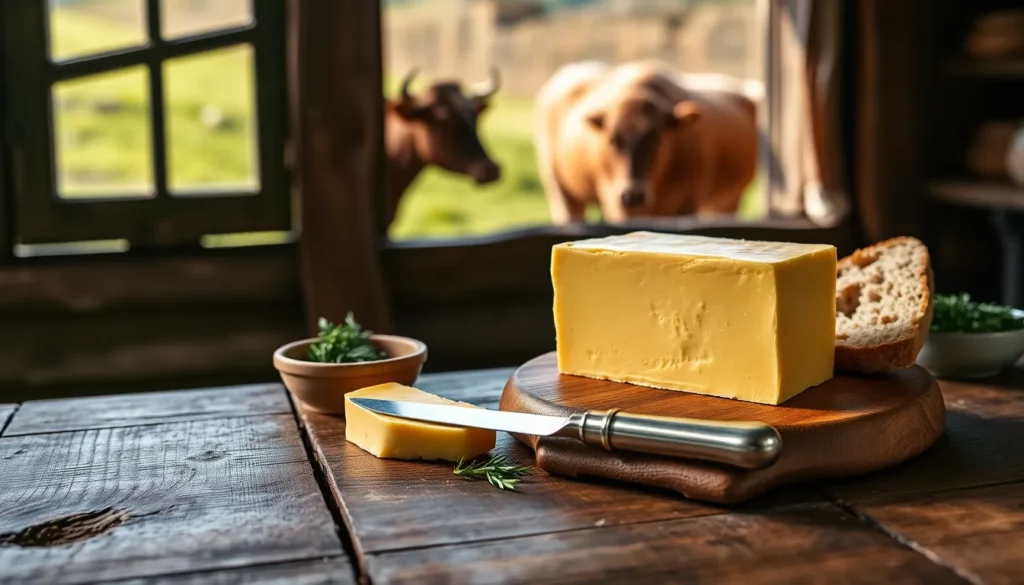
Burro is the Italian term for butter, a dairy product made by churning fresh or fermented cream. In Italian cuisine, burro is not merely a spread but a foundational ingredient that imparts richness, flavor, and texture to a wide array of dishes, from pasta sauces to pastries. Unlike the salted butter common in many other countries, traditional Italian burro is often unsalted, allowing the pure, sweet cream flavor to shine. It is produced throughout Italy, with notable regional differences in cream sourcing, churning techniques, and final fat content. The most prized burro comes from the northern regions, particularly Lombardy, Piedmont, and the Alps, where high-quality milk from grass-fed cows yields a deeply flavorful butter.
Origin & History
The history of burro in Italy dates back to ancient times, though its widespread use is relatively modern. While olive oil dominated southern Italian cooking for millennia, butter was the primary fat in the northern regions, where cattle farming was prevalent. The earliest documented references to butter in Italy appear in Roman agricultural texts, such as Pliny the Elder’s Natural History (1st century AD), which describes butter as a product of barbarian peoples. However, it was not until the Middle Ages that butter became a staple in the Lombard and Alpine cuisines. Monasteries played a key role in refining butter-making techniques, and by the Renaissance, burro was a prized ingredient in the courts of Milan and Venice. A unique cultural anecdote: in the 16th century, the city of Lodi (Lombardy) became famous for its high-quality butter, which was exported across Europe. Today, Lodi’s butter tradition continues with the Burro di Lodi seeking PDO (Protected Designation of Origin) status.
What’s In It
Authentic Italian burro contains only one or two ingredients: cream and optionally salt. The cream is typically derived from cow’s milk, though some artisanal versions use sheep or goat milk. The key to its superior flavor lies in the quality of the milk and the traditional churning process. Unlike many commercial butters, Italian burro is often made from raw or lightly pasteurized cream, preserving the milk’s natural flora. The fat content must be at least 80% to be legally called butter in Italy, but premium burro can reach 84% or higher. It is important to differentiate burro from margarina (margarine) or burro chiarificato (ghee), which is clarified butter used in some Italian recipes. Burro is also distinct from panna (cream) and formaggio (cheese), though all are dairy products.
Regional Variations
Italian burro varies significantly by region, reflecting local dairy traditions and culinary preferences. Below is a comparison of three major butter-producing areas:
| Region | Characteristics | Typical Uses |
|---|---|---|
| Lombardy (e.g., Lodi, Mantua) | Rich, golden-yellow, high fat content (84%+), slightly sweet, made from milk of Friesian cows. | Spreading on bread, making risotto (e.g., Risotto alla Milanese), and baking panettone. |
| Piedmont | Pale yellow, creamy, often made from milk of Piedmontese cows; sometimes lightly salted. | Used in pasta sauces (e.g., Tajarin al burro e salvia), fonduta, and as a finishing touch for meats. |
| Alpine regions (Trentino-Alto Adige, Valle d’Aosta) | Intense yellow, grassy flavor from high-altitude pastures; often made with raw milk. | Eaten with rye bread, used in polenta, and in traditional dishes like Canederli (dumplings). |
Other notable variations include Burro di Malga (mountain hut butter) from the Alps, which is made from the milk of cows grazing on alpine meadows, giving it a distinct herbal aroma. In Sicily, butter is less common due to the dominance of olive oil, but a local version made from sheep’s milk exists in some inland areas.
How It’s Traditionally Eaten
Burro is not typically eaten as a standalone dish but is used in various courses. As a condimento (condiment), it is spread on bread for breakfast or as a snack. In cooking, it serves as a base for soffritto (along with onions and herbs), as a finishing fat for pasta (e.g., Pasta al burro), and as a key ingredient in sauces like burro e salvia (butter and sage) for ravioli or gnocchi. It is also essential in baking: panettone, colomba, and many biscotti rely on burro for their tender crumb. On special occasions, such as Christmas or Easter, high-quality burro is used to enrich festive breads and desserts. In everyday cooking, northern Italians often add a knob of burro to risotto just before serving to create a creamy, glossy finish (mantecatura).
Common Mistakes / What It’s Not
A frequent misconception, especially among American-Italian cooks, is that salted butter is interchangeable with Italian burro. In Italy, most recipes call for unsalted butter to control seasoning. Another mistake is using margarine or low-fat spreads as substitutes; these lack the flavor and texture of real burro. Additionally, some believe that all Italian butter is the same, but as shown above, regional differences are significant. Burro is not the same as burro chiarificato (ghee), which is clarified butter used in some long-cooking dishes. It is also not a cheese, though it is a dairy product. Finally, burro should not be confused with panna (cream) – while both come from milk, butter is the fat separated from the buttermilk.
Where to Try It / What to Order
To experience authentic Italian burro, visit the northern regions. In Lombardy, seek out Burro di Lodi at local markets or specialty shops. In Piedmont, try Burro di Montagna from the Alps. For a unique experience, visit a malga (mountain dairy) in Trentino-Alto Adige, where you can taste freshly churned butter. In restaurants, order dishes that highlight burro, such as Tajarin al burro e salvia (thin pasta with butter and sage) in Piedmont, or Risotto alla Milanese in Lombardy. When buying, look for burro artigianale (artisanal butter) and avoid industrial brands that may contain additives. For travelers, the annual Sagra del Burro (Butter Festival) in Lodi is a must-visit.
Related Dishes
- Burro e Salvia (Butter and Sage Sauce)
- Risotto alla Milanese
- Tajarin al Burro
- Panettone
- Burro Chiarificato (Clarified Butter)
FAQ
What is burro in Italian cuisine?
Burro is the Italian word for butter, a dairy product made from churning cream. It is a key ingredient in northern Italian cooking, used in pasta, risotto, pastries, and as a spread.
How is Italian burro different from American butter?
Italian burro is typically unsalted, has a higher fat content (often 82-84%), and is made from high-quality cream, often from grass-fed cows. American butter often contains salt and has a lower fat content (80%).
What are the best regional varieties of burro?
The most famous are Burro di Lodi (Lombardy), Burro di Montagna (Piedmont and Alps), and Burro di Malga (Alpine huts). Each has distinct flavor profiles based on the cows' diet and production methods.
Can I substitute margarine for burro in Italian recipes?
No, margarine lacks the flavor and texture of real butter. For authentic results, use unsalted butter with at least 82% fat content.
Is burro used in southern Italian cooking?
Rarely. Southern Italian cuisine relies primarily on olive oil. Butter is more common in the north, though some modern recipes incorporate it.



Leave a Reply