
Short Answer
What It Is
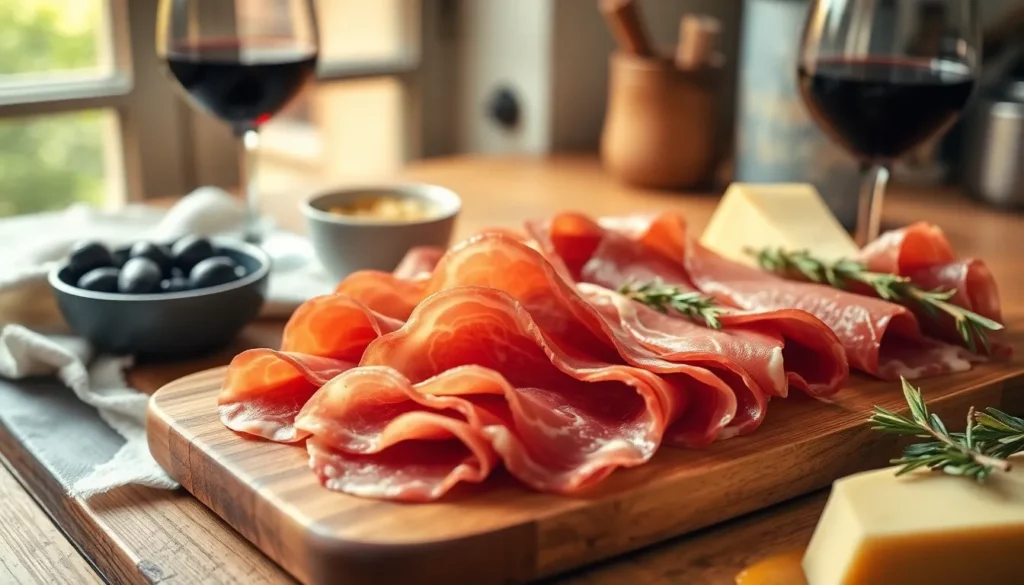
Prosciutto is the Italian word for ham, but in culinary terms it refers specifically to dry-cured ham that is aged and typically served raw (prosciutto crudo). The most renowned varieties are Prosciutto di Parma DOP and Prosciutto di San Daniele DOP, both protected under European Union law. Production follows strict regulations: only fresh pork legs from designated breeds (such as Large White, Landrace, or Duroc) are used; the salting process uses sea salt; and aging lasts a minimum of 400 days for Parma and 12 months for San Daniele. The result is a deep ruby-red meat with a delicate, sweet-savory flavor and a silky, melt-in-the-mouth texture. Unlike cooked ham (prosciutto cotto), prosciutto crudo is never heated above 30°C during curing, preserving its raw character.
Types & Grades
Prosciutto is categorized by aging time, origin, and processing method. Below is a table of the most common types and grades:
| Type | Origin | Aging | Characteristics |
|---|---|---|---|
| Prosciutto di Parma DOP | Parma, Emilia-Romagna | Min. 400 days (up to 24+ months) | Sweet, nutty, delicate; pale pink with white fat; protected by the Consorzio del Prosciutto di Parma. |
| Prosciutto di San Daniele DOP | San Daniele del Friuli, Friuli-Venezia Giulia | Min. 12 months (often 14–18) | Darker color, more intense flavor; slightly sweeter due to the unique microclimate; pressed into a guitar shape. |
| Prosciutto Toscano DOP | Tuscany | Min. 12 months | Seasoned with pepper, garlic, and herbs; robust, savory taste; often from Cinta Senese pigs. |
| Prosciutto di Modena DOP | Modena, Emilia-Romagna | Min. 10 months | Milder than Parma; used in traditional balsamic vinegar pairings. |
| Prosciutto Crudo (generic) | Various Italian regions | Varies (6–18 months) | Non-DOP; may use different pig breeds or additives; more affordable but variable quality. |
| Prosciutto Cotto | Italy (industrial) | Cooked, not aged | Wet-cured and cooked; similar to ham; used in sandwiches and cooked dishes. |
Grades are often indicated by aging: Dolce (sweet, younger) and Salato (salty, older). Some producers offer Riserva (aged 18+ months) or Extra (24+ months) for deeper flavor.
How It’s Used in Cooking
Prosciutto is incredibly versatile. In traditional Italian cuisine, it is most often served crudo (raw) as part of an antipasto platter with melon, figs, or mozzarella. It also stars in classic dishes:
- Prosciutto e Melone – thin slices wrapped around sweet cantaloupe or honeydew; a perfect balance of salty and sweet.
- Saltimbocca alla Romana – veal cutlets topped with prosciutto and sage, sautéed in butter and white wine.
- Pasta alla Carbonara – some variations use prosciutto instead of guanciale for a milder flavor.
- Prosciutto-Wrapped Asparagus – grilled or roasted, often drizzled with balsamic glaze.
- Frittata con Prosciutto – a hearty egg dish with diced prosciutto and cheese.
When cooked, prosciutto becomes crispy and adds a savory crunch to salads, pizzas, and baked dishes. It is also used to wrap fish or chicken for moisture and flavor.
“Prosciutto is the soul of Italian charcuterie – it transforms simple ingredients into something sublime.” – Traditional Italian saying
How to Choose/Identify Authentic PROSCIUTTO
To ensure you are buying genuine, high-quality prosciutto, look for these authenticity cues:
- DOP Seal – Check for the European Union Protected Designation of Origin logo. For Parma, the five-pointed ducal crown is a hallmark. For San Daniele, the brand includes a stylized “SD” and the name of the producer.
- Label Information – Authentic prosciutto will list the region, producer, aging duration, and ingredients (only pork and salt). Avoid products with added sugars, nitrates, or phosphates.
- Appearance – The meat should be deep rose to ruby red with white, creamy fat that is not yellow or rancid. The fat should be evenly distributed and about 1–2 cm thick on the edge.
- Aroma – Fresh prosciutto smells sweet, slightly nutty, and meaty. Any ammonia or sour notes indicate spoilage or poor quality.
- Texture – It should be tender and sliceable, not dry or crumbly. When sliced paper-thin, it should almost melt on the tongue.
- Price – Authentic DOP prosciutto is more expensive due to strict production costs. If the price seems too good to be true, it likely is a generic or imported imitation.
For commercial buyers, sourcing from reputable Italian importers or directly from consorzio members guarantees authenticity. Always store prosciutto in the refrigerator, wrapped in parchment paper, and consume within a few days of slicing.
Substitutes
While nothing replicates the exact flavor of authentic Italian prosciutto, several genuine Italian substitutes can be used depending on the dish:
- Speck Alto Adige IGP – A lightly smoked, dry-cured ham from South Tyrol. It has a more pronounced smoky flavor and is firmer. Ideal for cooking or charcuterie boards where a bolder taste is desired.
- Coppa (Capocollo) – Dry-cured pork shoulder, seasoned with red wine and spices. It is fattier and more marbled, with a rich, savory profile. Excellent in sandwiches or as an antipasto.
- Pancetta – Italian cured pork belly, rolled and spiced. It is not a direct substitute for raw prosciutto but works well in cooked dishes like carbonara or as a wrap for meats.
- Bresaola della Valtellina IGP – Air-dried, salted beef (not pork) aged for 2–3 months. Leaner and more delicate, it can be used in carpaccio-style dishes or salads when prosciutto is unavailable.
Each substitute brings its own character; choose based on the recipe’s need for saltiness, fat content, and smokiness. For raw consumption, Speck or Coppa are closest in texture to prosciutto.
Conclusion: Prosciutto is a cornerstone of Italian gastronomy, embodying centuries of curing tradition. Whether enjoyed as a simple antipasto or incorporated into complex dishes, its quality hinges on authentic DOP origins, proper aging, and careful selection. By understanding the grades, production methods, and authenticity markers, you can elevate your culinary creations with this iconic ingredient.
FAQ
What is the difference between Prosciutto di Parma and Prosciutto di San Daniele?
Both are DOP-certified dry-cured hams, but they differ in origin, shape, and flavor. Parma ham comes from the Emilia-Romagna region, is aged a minimum of 400 days, and has a sweet, nutty taste with pale pink meat. San Daniele ham is produced in Friuli-Venezia Giulia, aged at least 12 months, and has a darker color, more intense flavor, and a characteristic guitar-like shape due to pressing. The microclimate of San Daniele also contributes to a slightly sweeter profile.
Can prosciutto be cooked, or is it only eaten raw?
Prosciutto crudo (raw) is traditionally eaten uncooked, but it can also be cooked. When heated, it becomes crispy and adds a savory, salty crunch to dishes like pasta, pizza, salads, and wrapped vegetables or meats. However, prolonged high heat can make it tough, so it is often added at the end of cooking. Prosciutto cotto (cooked ham) is a different product meant to be eaten cold or heated gently.
How should I store prosciutto to keep it fresh?
Store prosciutto in the refrigerator at 2–4°C (35–40°F). Wrap it tightly in parchment paper or a clean cloth, then place in a resealable plastic bag or container to prevent drying. Avoid plastic wrap directly on the meat as it can cause sweating. Sliced prosciutto is best consumed within 2–3 days; whole pieces can last up to 2–3 weeks if kept properly. For longer storage, freeze in an airtight bag for up to 3 months, though texture may suffer.


Leave a Reply