
Short Answer
What Is Calice? Italian Pasta Shape Explained
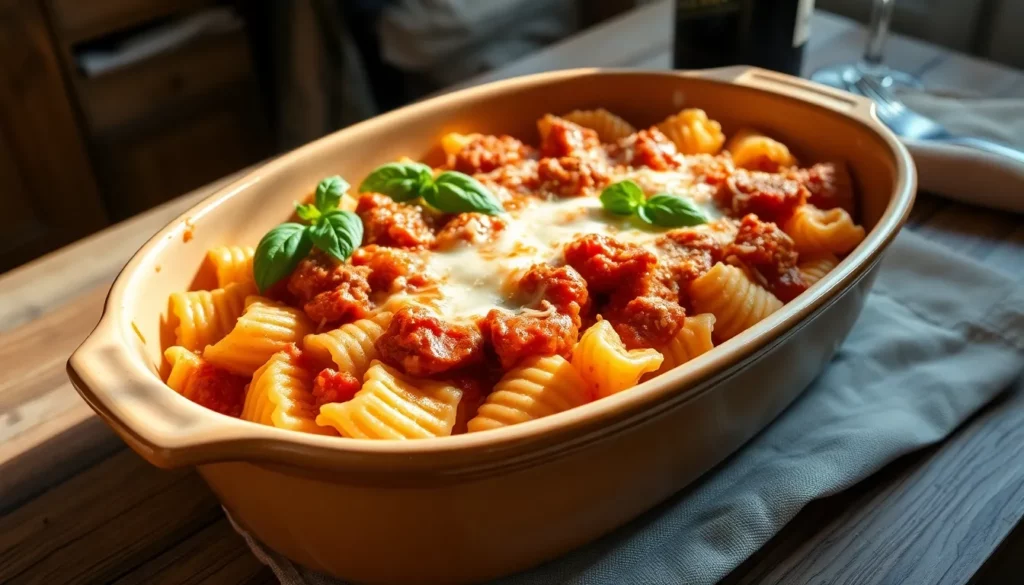
Calice (pronounced kah-LEE-cheh) is a short, hollow pasta shape originating from the Campania region of southern Italy. Its name means “chalice” or “goblet” in Italian, a reference to its distinctive curved form that resembles a small cup. Made from durum wheat semolina and water, calice features a ridged exterior and a wide opening, designed to capture thick sauces and chunky ragù. Unlike similar shapes such as penne or rigatoni, calice has a pronounced flare at one end, giving it a bell-like silhouette. It is most commonly used in baked pasta dishes (pasta al forno) or with slow-cooked meat sauces, and it remains a staple in home kitchens across Campania, especially in the provinces of Naples and Salerno.
Origin & History
The exact origins of calice are difficult to pinpoint, but historical evidence suggests it emerged in the late 19th century in the Campanian countryside, where pasta makers experimented with shapes that could hold abundant sauce. The first documented mention appears in an 1891 Neapolitan cookbook by Ippolito Cavalcanti, who describes a “pasta a calice” used in festive baked dishes. Unlike the myth that calice was invented to mimic the shape of a wine goblet for religious ceremonies, the shape likely evolved from the need for a pasta that could trap both liquid and solid components of a ragù. The ridges (righe) were added later, around the 1920s, to improve sauce adhesion. Calice gained popularity in the post-war period when industrial pasta production allowed for consistent shaping, and it became a symbol of Sunday family meals in Campania. Today, artisanal producers in Gragnano still craft calice by bronze-die extrusion, preserving its traditional texture.
What’s In It
Calice pasta is made from just two ingredients: durum wheat semolina and water. The dough is kneaded, extruded through bronze dies to create the characteristic ridges, and then cut into short lengths (about 3–4 cm). The hollow center and flared end are achieved by a specific die design. Unlike stuffed pastas, calice contains no filling. Its preparation requires boiling in salted water until al dente, then tossing with sauce. The key differentiator from similar shapes like ziti or tortiglioni is the flared opening, which allows larger pieces of meat or vegetables to lodge inside. In traditional recipes, calice is never served with delicate cream sauces; instead, it pairs with robust ragù napoletano (beef and pork slow-cooked with tomatoes), sugo di salsiccia (sausage sauce), or baked with mozzarella and eggplant in a parmigiana-style casserole.
Regional Variations
While calice is most closely associated with Campania, it appears in adapted forms across southern Italy. The table below highlights key differences:
| Region | Typical Sauce | Preparation Method | Notable Twist |
|---|---|---|---|
| Campania (Naples) | Ragù napoletano (beef, pork, tomato) | Baked pasta al forno with provola and basil | Often includes hard-boiled eggs |
| Calabria | Spicy ‘nduja and tomato | Stovetop with pecorino and chili flakes | Uses calice as a base for pasta alla norma variation |
| Sicily | Pesto alla trapanese (almond, tomato, basil) | Cold pasta salad with caponata vegetables | Calice is boiled, then tossed with raw sauce |
| Puglia | Orecchiette-style cime di rapa | Boiled and sautéed with garlic, oil, and anchovies | Calice replaces orecchiette in some coastal towns |
In Campania, calice is almost always baked; in other regions, it may be served simply boiled with sauce. The shape’s versatility allows it to absorb flavors from both oil- and tomato-based preparations.
How It’s Traditionally Eaten
Calice is served as a primo piatto (first course) in the Italian meal structure, typically followed by a meat or fish secondo. It is rarely eaten as a contorno (side dish). On Sundays and holidays, calice appears in a baked pasta al forno layered with ragù, béchamel, and cheese, then browned in the oven. Everyday versions are simpler: boiled calice tossed with a quick tomato sauce and grated pecorino. The pasta is always cooked al dente to maintain its shape. Pairings include a medium-bodied red wine such as Agliànico or Primitivo, and a side of insalata verde (green salad). In Campania, it is also common to serve calice as a street food in paper cones, topped with ragù and ricotta salata.
Common Mistakes / What It’s Not
Many American-Italian restaurants confuse calice with penne or mostaccioli, but calice has a wider opening and more pronounced ridges. It is not a stuffed pasta like tortellini or ravioli. Another misconception is that calice should be served with Alfredo sauce or cream-based sauces; in Italy, it is reserved for hearty, chunky sauces that cling to the ridges and fill the hollow. Overcooking calice until mushy is a common error—it should retain a firm bite. Finally, calice is not a modern invention; it has been documented for over a century, despite some claims that it was created in the 1970s.
Where to Try It / What to Order
For an authentic calice experience, visit the Gragnano area near Naples, where artisanal pasta factories offer tastings. In Naples, try Trattoria da Nennella for a classic baked calice with ragù. In Salerno, Osteria del Borgo serves a calice with seafood sauce, a local twist. Travelers should order “calice al forno” or “calice con ragù napoletano.” The annual Sagra della Pasta in Gragnano (September) features calice in multiple preparations. For home cooking, look for bronze-die extruded calice from brands like Pastificio dei Campi or Afeltra.
Related Dishes
FAQ
What is calice pasta?
Calice is a short, hollow pasta shape from Campania, Italy, resembling a small goblet. It has a ridged surface and a flared opening, ideal for holding thick sauces.
How is calice different from penne?
Calice has a wider, flared opening and more pronounced ridges than penne. Penne is cut diagonally with a straight tube, while calice is curved like a chalice.
What sauce goes best with calice?
Hearty, chunky sauces such as ragù napoletano, sausage sauce, or baked preparations with béchamel and cheese. Cream-based sauces are not traditional.
Is calice gluten-free?
Traditional calice is made from durum wheat semolina and contains gluten. Gluten-free versions may exist but are not authentic.
Where can I buy calice pasta?
Look for bronze-die extruded calice from Italian brands like Pastificio dei Campi or Afeltra, available in specialty stores or online.


Leave a Reply