
Short Answer
What It Is
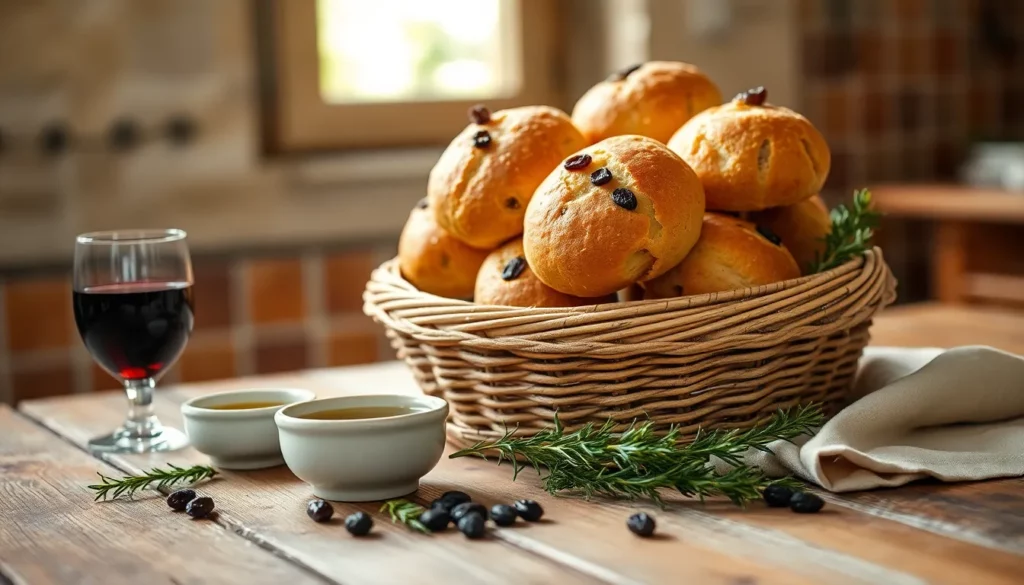
Pan di Ramerino is a soft, slightly sweet bread originating from Florence, Tuscany, distinguished by the aromatic presence of rosemary and the natural sweetness of raisins. Its name derives from the Italian word for rosemary, ramerino, reflecting the herb’s central role. This bread is a registered Prodotto Agroalimentare Tradizionale (PAT), a designation by the Italian Ministry of Agricultural Policies that recognizes products deeply rooted in regional traditions. Unlike DOP or PGI certifications, PAT does not require a formal consortium but ensures the product follows a traditional recipe and production method.
The origins of Pan di Ramerino date back to the Middle Ages, when it was prepared by nuns in Florentine convents, particularly during Lent. The combination of raisins and rosemary was both symbolic and practical: raisins provided natural sweetness without violating fasting rules, while rosemary was believed to have preservative and medicinal properties. Over centuries, the bread became a staple of Tuscan bakeries, especially around Good Friday, though it is now enjoyed year-round.
Production follows a straightforward method: a dough made from wheat flour, water, extra-virgin olive oil, salt, and yeast is enriched with raisins and fresh or dried rosemary. After a slow fermentation, the dough is shaped into small round buns or a crown-like ring, then baked until golden. The result is a tender crumb with a delicate balance of herbal and fruity notes.
Types & Grades
While Pan di Ramerino does not have formal grading systems like aged cheeses, variations exist based on ingredient proportions, shape, and flour type. The table below outlines the most common distinctions.
| Type | Characteristics | Typical Use |
|---|---|---|
| Traditional (Classico) | White wheat flour, moderate raisins, fresh rosemary; shaped as small buns (50–80 g each) | Snack, breakfast, or with wine |
| Integrale (Whole Wheat) | Whole wheat flour replaces part of white flour; denser texture, nuttier flavor | Pairing with aged cheeses or hearty soups |
| Corona (Crown) | Shaped as a ring, often larger (300–500 g); more raisins and rosemary for visual appeal | Festive occasions, sharing platters |
| Dolce (Sweetened) | Additional sugar or honey in the dough; sweeter profile, sometimes with candied peel | Dessert bread, with sweet wine or coffee |
Artisanal bakers may also experiment with organic flours, local raisins (such as those from the Tuscan coast), or wild rosemary. However, the PAT specification requires adherence to the traditional recipe, so any deviation cannot be labeled as authentic Pan di Ramerino.
How It’s Used in Cooking
Pan di Ramerino is primarily enjoyed as a table bread or snack, but its versatility extends to several traditional and modern preparations.
Traditional Applications
- As is: Served at room temperature, often with a glass of Chianti or a light red wine. The bread’s subtle sweetness complements the wine’s tannins.
- With cured meats and cheese: A classic Tuscan antipasto pairs Pan di Ramerino with finocchiona (fennel salami), prosciutto, pecorino, or fresh ricotta. The rosemary and raisins enhance the savory flavors.
- Breakfast or merenda: Lightly toasted and drizzled with olive oil or honey, it makes a simple morning treat or afternoon snack.
- Lenten fare: Traditionally eaten on Good Friday, often accompanied by a bowl of lentil soup or vegetable minestrone.
Signature Dishes
- Pan di Ramerino Panzanella: A modern twist on the classic Tuscan bread salad, using stale Pan di Ramerino cubes tossed with tomatoes, basil, cucumber, and red onion.
- Bread Pudding: The bread’s inherent sweetness and rosemary aroma make it an excellent base for a savory bread pudding with eggs, cheese, and spinach.
- Ribollita: While traditionally made with stale Tuscan bread, some cooks substitute Pan di Ramerino for a more aromatic version of this hearty soup.
“Il pan di ramerino è il pane della memoria: profuma di rosmarino, sa di uvetta, e racconta la storia di una terra che sa trasformare la semplicità in poesia.” – Anonymous Tuscan baker
How to Choose/Identify Authentic Pan di Ramerino
For commercial buyers and home cooks alike, identifying genuine Pan di Ramerino ensures you experience the product as intended. Follow these cues:
- Check for PAT certification: Look for the official “Prodotto Agroalimentare Tradizionale” logo or wording on packaging. This guarantees the product follows the traditional recipe registered with the Italian Ministry of Agricultural Policies.
- Read the ingredient list: Authentic Pan di Ramerino contains only wheat flour, water, extra-virgin olive oil, raisins, rosemary, salt, and yeast. Avoid products with added sugar, artificial flavors, preservatives, or hydrogenated fats.
- Examine appearance: The bread should be golden brown, with visible pieces of rosemary and raisins distributed throughout. The shape is typically a small round bun (about 6–8 cm in diameter) or a crown ring. The crust is thin and slightly crisp, while the crumb is soft and airy.
- Smell and taste: A strong, fresh rosemary aroma should be immediately apparent, followed by the sweet scent of raisins. The flavor is mildly sweet, with a pleasant olive oil finish. If the bread tastes overly sweet or lacks rosemary, it is not authentic.
- Source from reputable producers: Purchase from Tuscan bakeries, Italian specialty stores, or online retailers that specialize in regional products. Look for producers listed in the official PAT registry.
- Check the texture: Fresh Pan di Ramerino is soft and slightly moist. It should not be dry or crumbly. Stale bread can be revived by toasting, but authentic versions maintain quality for 2–3 days.
Substitutes
If Pan di Ramerino is unavailable, several Italian breads can serve as substitutes, each with its own character.
- Focaccia con rosmarino e uvetta: A flatbread from Liguria that shares the rosemary-raisin combination. It is oilier and crispier, making it ideal for appetizers or as a side. Use when a thinner, more savory bread is desired.
- Pane con l’uva (Grape Bread): A Tuscan bread made with whole grapes instead of raisins. It is sweeter and juicier, best enjoyed as a dessert or with cheese. Substitute when a fruitier profile is needed.
- Panettone (plain or with raisins): A Milanese sweet bread that is richer and more cake-like. While not a direct replacement, it can work in bread pudding or as a festive alternative. Use for dessert applications.
- Ciabatta con rosmarino: A simple rosemary-flavored ciabatta without raisins. It lacks sweetness, so add a drizzle of honey or serve with sweet accompaniments. Suitable for savory dishes where the raisin note is not essential.
When substituting, consider the role of the bread: for antipasti, choose a substitute with similar texture and sweetness; for soups, a denser bread like Pane con l’uva may be too sweet. Always adjust seasoning to balance flavors.
Conclusion
Pan di Ramerino is a testament to Tuscan culinary heritage, blending humble ingredients into a bread that is both comforting and distinctive. Its PAT status safeguards tradition, while its versatility invites creative use in both classic and contemporary dishes. Whether enjoyed simply with wine or incorporated into a hearty soup, this rosemary-raisin bread offers a taste of Florence that is as authentic as it is delicious. When sourcing, prioritize certified producers and fresh ingredients to experience the true essence of Pan di Ramerino.
FAQ
What is Pan di Ramerino?
Pan di Ramerino is a traditional Tuscan bread made with wheat flour, extra-virgin olive oil, raisins, and rosemary. It has a soft texture and a mildly sweet, aromatic flavor. It is a PAT (Prodotto Agroalimentare Tradizionale) product from Florence.
When is Pan di Ramerino traditionally eaten?
Historically, Pan di Ramerino was associated with Lent, especially Good Friday, as it provided a sweet treat without violating fasting rules. Today, it is enjoyed year-round as a snack, breakfast bread, or accompaniment to wine and cheese.
How can I tell if Pan di Ramerino is authentic?
Look for the PAT certification label on packaging. Authentic Pan di Ramerino contains only simple ingredients: flour, water, olive oil, raisins, rosemary, salt, and yeast. It should have a golden crust, visible rosemary and raisins, and a soft crumb. Avoid products with added sugar, artificial flavors, or preservatives.



Leave a Reply