
Short Answer
What Is Gambero? Italian Seafood Explained
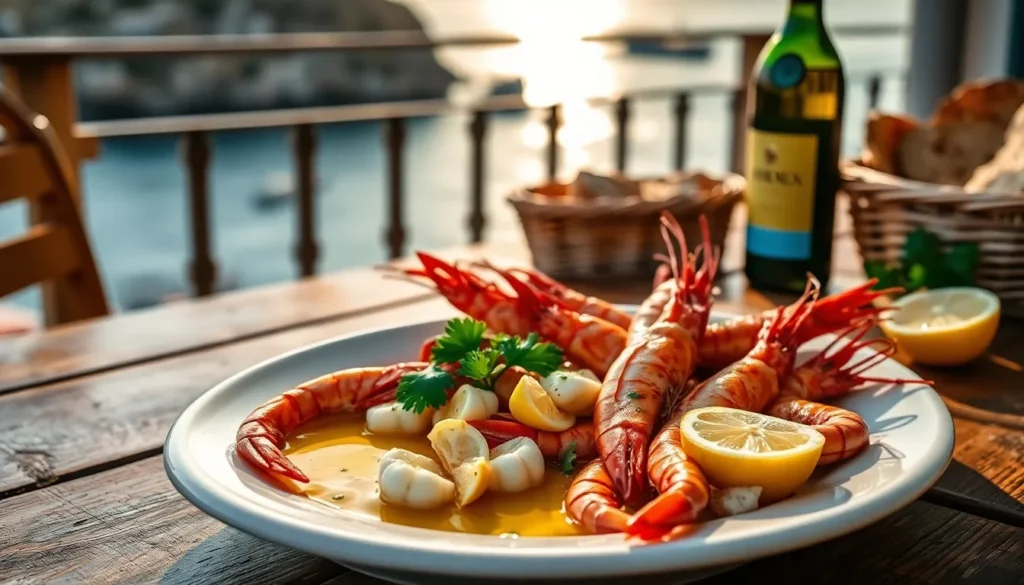
Gambero (plural gamberi) is the Italian term for prawn or shrimp, but in culinary contexts it denotes a specific style of preparation: fresh, high-quality prawns cooked simply to highlight their natural sweetness. Typically grilled, sautéed, or baked with extra-virgin olive oil, garlic, lemon juice, and fresh herbs like parsley or oregano, Gambero is a cornerstone of Italian coastal cuisine. Originating from the Mediterranean shores, particularly in regions such as Sicily, Campania, and Puglia, this dish relies on the freshest catch and minimal seasoning. The key ingredients are prawns, olive oil, garlic, lemon, and salt – nothing more. This simplicity allows the delicate flavor of the sea to shine, making Gambero a quintessential expression of the Italian philosophy “il meglio con poco” (the best with little).
Origin & History
The history of Gambero as a distinct dish is intertwined with the ancient fishing traditions of the Mediterranean. While prawns have been harvested and eaten in Italy since Roman times – Apicius’s De Re Coquinaria includes recipes for locustae (large crustaceans) – the modern concept of Gambero emerged in the 19th century along the coasts of Sicily and Campania. The rise of the trattoria and friggitoria culture in Naples and Palermo popularized quick, oil-based cooking methods that preserved the prawns’ texture. Anecdotal evidence suggests that fishermen would cook their daily catch directly on the boat using a simple pan, garlic, and local olive oil. By the early 20th century, Gambero had become a staple on menus from the Amalfi Coast to the Venetian Lagoon. Unlike the heavily sauced shrimp dishes of other cuisines, Italian Gambero remained pure, a testament to the quality of local seafood. The dish gained international fame through Italian emigration, but its authentic form remains deeply regional.
What’s In It
Core ingredients for authentic Gambero are few but non-negotiable:

- Fresh prawns – preferably large, wild-caught Mediterranean red prawns (Aristaeomorpha foliacea) or common prawns (Penaeus kerathurus).
- Extra-virgin olive oil – a fruity, low-acidity oil from Liguria or Tuscany.
- Garlic – thinly sliced or crushed, never burned.
- Lemon – fresh juice and zest.
- Fresh herbs – parsley, oregano, or thyme.
- Salt and pepper – coarse sea salt and freshly ground black pepper.
Preparation nuances: The prawns are usually left whole (head and shell on) to retain moisture and flavor. They are quickly cooked over high heat for 2–3 minutes per side, then deglazed with white wine or lemon juice. The dish is often finished with a sprinkle of fresh parsley and a drizzle of raw olive oil. Gambero differs from similar dishes like gamberi alla griglia (grilled prawns) in that it is typically cooked in a pan rather than on a grill, and from gamberi in padella (pan-fried prawns) by its emphasis on minimal seasoning and quick cooking.
Regional Variations
Gambero varies significantly across Italy, reflecting local seafood availability and culinary traditions. Below is a comparison of three major regional styles:
| Region | Key Characteristics | Typical Ingredients | Cooking Method |
|---|---|---|---|
| Sicily | Bold, aromatic, often with a touch of heat | Red prawns, olive oil, garlic, chili flakes, lemon, capers, breadcrumbs | Sautéed in a pan, sometimes baked with breadcrumbs (gamberi alla siciliana) |
| Campania (Naples) | Simple, garlic-forward, with white wine | Local gamberi rosa, olive oil, garlic, white wine, parsley, lemon | Quick sauté, deglazed with wine, served with crusty bread |
| Veneto | Delicate, butter-enriched, with a touch of sweetness | Adriatic prawns, olive oil, butter, garlic, lemon, fresh thyme, sometimes tomato | Pan-fried with butter and oil, finished with lemon and herbs |
Other notable variations include gamberi alla griglia in Tuscany (grilled over charcoal) and gamberi in crosta in Puglia (baked in a salt crust).
How It’s Traditionally Eaten
Gambero is typically served as a secondo piatto (main course) in a traditional Italian meal, following the primo (pasta or risotto) and contorno (side dish). It is often accompanied by a simple green salad or grilled vegetables. The prawns are eaten with the hands, peeling the shell and dipping the meat into the pan juices. A glass of crisp, dry white wine such as Vermentino, Greco di Tufo, or a Franciacorta Brut is the classic pairing. Gambero is considered an everyday dish in coastal regions, but it also appears on holiday tables, especially during Festa del Mare (Sea Festival) celebrations. In fine dining, it may be presented as an appetizer, but the traditional home-style version is a main course.
Common Mistakes / What It’s Not
Many American-Italian adaptations misinterpret Gambero. Common mistakes include:
- Overcooking – prawns become rubbery; authentic Gambero is cooked just until opaque.
- Heavy sauces – cream, tomato sauce, or cheese mask the delicate flavor. Real Gambero uses only oil, garlic, and lemon.
- Using frozen, pre-peeled prawns – these lack flavor; authentic recipes demand fresh, shell-on prawns.
- Adding too many herbs or spices – parsley and a pinch of chili are enough; oregano is used sparingly.
Gambero is not a shrimp cocktail, scampi (which is a different crustacean in Europe), or a breaded fried shrimp. It is a pure, unadulterated celebration of the sea.
Where to Try It / What to Order
For an authentic Gambero experience, visit coastal trattorias in Italy. In Sicily, head to Trattoria da Nino in Palermo for gamberi alla siciliana. In Naples, Trattoria da Cicciotto serves a classic gamberi al limone. In Venice, Osteria alle Testiere offers Adriatic prawns simply grilled. When ordering, ask for gamberi freschi (fresh prawns) and specify cotti in padella con aglio e olio (cooked in a pan with garlic and oil). Avoid dishes labeled gamberi impanati (breaded) if you seek the traditional version. Many coastal towns hold annual seafood festivals where Gambero is the star.
Related Dishes
FAQ
What is the difference between Gambero and Scampi?
In Italy, 'gambero' means prawn or shrimp, while 'scampi' refers to the Norway lobster (Nephrops norvegicus). The dish 'shrimp scampi' is an American invention that uses shrimp cooked in a garlic-butter sauce, which is quite different from the simple Italian Gambero preparation.
Can I use frozen prawns for Gambero?
While fresh prawns are ideal, high-quality frozen prawns (preferably raw, shell-on) can be used if thawed properly. Avoid pre-cooked or peeled frozen prawns, as they lack flavor and texture.
Is Gambero served as a starter or main course?
Traditionally, Gambero is a secondo piatto (main course) in a full Italian meal. However, it can also be served as an antipasto (starter) in smaller portions, especially in fine dining settings.
What wine pairs best with Gambero?
A crisp, dry white wine with good acidity is ideal. Vermentino, Greco di Tufo, Falanghina, or a Franciacorta Brut are excellent choices. Avoid oaky or heavily aromatic wines.
Why is it important to leave the shell on?
Cooking prawns with the shell on helps retain moisture and infuses the flesh with flavor from the shell. It also allows the diner to enjoy the juices that accumulate in the head.

Leave a Reply