
Short Answer
What It Is
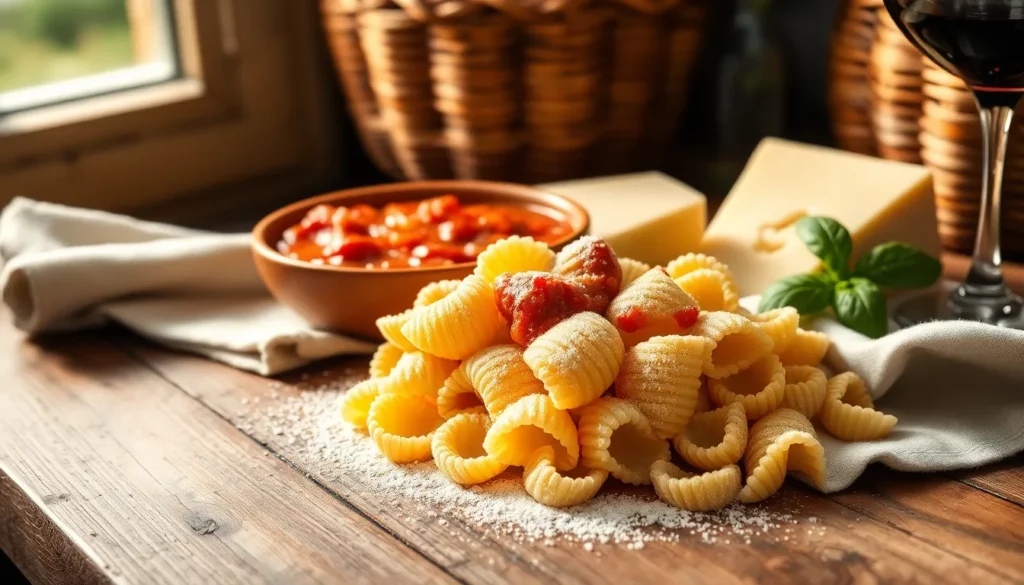
Malloreddus (also known as gnocchetti sardi or Sardinian gnocchetti) is a small, shell-shaped pasta originating from the island of Sardinia, Italy. Its name derives from the Sardinian word malloru, meaning “bull,” a reference to the small, rounded shape reminiscent of a bull’s droppings—a rustic, affectionate term that reflects the pasta’s humble origins. Traditionally made from semola di grano duro (durum wheat semolina) and water, Malloreddus often incorporates saffron or saffron powder, which gives the pasta a characteristic golden hue and a subtle earthy aroma.
The production method is artisanal: the dough is kneaded until smooth, then rolled into long ropes and cut into small pieces. Each piece is pressed against a ciuliri (a traditional woven reed basket) or a ridged wooden board to create the distinctive grooves that help sauces cling to the pasta. In 2015, the European Commission granted Protected Geographical Indication (PGI) status to Malloreddus della Sardegna, recognizing its deep ties to Sardinian territory and traditional craftsmanship. The PGI specification mandates that the pasta must be produced in Sardinia using local durum wheat semolina and water, with optional addition of saffron (up to 2% of the flour weight).
“Malloreddus are the soul of Sardinian cuisine—a simple pasta that carries the flavor of the island’s sun-baked fields and the hands of its women.” — Traditional Sardinian saying
Types & Grades
Malloreddus are classified primarily by shape and surface texture. The two main types are lisci (smooth) and rigati (ridged). The ridged version is more common and preferred for its ability to trap sauce. Within these categories, variations exist based on the inclusion of saffron and the fineness of the semolina. The table below summarizes the key types and their characteristics.

| Type | Description | Typical Use | Notes |
|---|---|---|---|
| Malloreddus Lisci | Smooth, unridged shells; slightly smaller than rigati | Light sauces, broths, or simple butter and cheese | Less common; often homemade |
| Malloreddus Rigati | Ridged shells with deep grooves; the classic commercial form | Hearty ragù, sausage sauce, tomato-based sauces | Most widely available; PGI certified |
| Malloreddus allo Zafferano | Rigati or lisci with added saffron; bright yellow color | Special occasion dishes; pairs well with seafood or cream sauces | Saffron content must be declared; often artisanal |
| Malloreddus Integrali | Made with whole-grain durum wheat semolina | Health-conscious preparations; nuttier flavor | Less traditional but gaining popularity |
Grades are not officially defined, but artisanal producers often label their pasta as “artigianale” (artisanal) or “trafilato al bronzo” (bronze-drawn), indicating a rougher surface that better absorbs sauce. Industrial versions may be smoother and cook faster but lack the same texture.
How It’s Used in Cooking
Malloreddus are a versatile pasta that shines in traditional Sardinian recipes. Their shape and ridges make them ideal for holding thick, chunky sauces. The most iconic preparation is Malloreddus alla Campidanese, a dish from the Campidano plain featuring a rich ragù of pork or beef, flavored with fennel seeds, saffron, and pecorino cheese. Another classic is Malloreddus con Salsiccia e Pomodoro, where fresh Sardinian sausage is crumbled and simmered with tomato sauce, often finished with a sprinkle of pecorino sardo.
Traditional Pairings
- Ragù di Carne – Slow-cooked meat sauce (pork, beef, or lamb) with tomatoes, onions, and herbs.
- Salsiccia Fresca – Fresh Sardinian sausage, crumbled and browned, then simmered with tomato passata.
- Pomodoro e Basilico – Simple tomato and basil sauce, enhanced with a pinch of saffron.
- Burro e Salvia – Butter and sage sauce, often used for lisci varieties.
- Pesce – Seafood versions with clams, mussels, or bottarga (cured fish roe) are less traditional but increasingly popular.
Malloreddus are also used in minestre (thick soups) and zuppe, where they add substance to legume-based broths. Cooking time is typically 8–10 minutes for dried pasta, but fresh malloreddus cook in 3–5 minutes. Always cook in generously salted boiling water and drain al dente.
How to Choose/Identify Authentic MALLOREDDUS
When purchasing Malloreddus, look for the following authenticity cues to ensure you are getting a product that respects Sardinian tradition:
- PGI Label: The official Malloreddus della Sardegna PGI logo guarantees that the pasta was produced in Sardinia according to strict specifications. Check for the EU PGI symbol on the packaging.
- Ingredient List: Authentic Malloreddus should contain only semola di grano duro (durum wheat semolina) and water. Saffron may be listed if present. Avoid products with added eggs, colorings, or preservatives.
- Bronze-Drawn (Trafilato al Bronzo): This indicates the pasta was extruded through bronze dies, creating a rough, porous surface that helps sauces adhere. It is a hallmark of quality.
- Appearance: The shells should be uniform in size, with deep ridges (for rigati) and a slightly rough texture. Color ranges from pale yellow to deep gold if saffron is added.
- Origin: Look for “Prodotto in Sardegna” or “Prodotto in Italia” on the package. Many artisanal brands specify the exact town or province of production.
- Artisanal vs. Industrial: Artisanal producers often use slower drying methods (low temperature for 24–48 hours), which preserve flavor and texture. Industrial pasta may be dried at high temperatures, resulting in a less flavorful product.
For commercial buyers, sourcing directly from Sardinian cooperatives or certified PGI producers ensures traceability and authenticity. Reputable online retailers specializing in Italian imports also carry verified Malloreddus.
Substitutes
If Malloreddus is unavailable, several Italian pasta shapes can serve as substitutes, though each brings a different texture and sauce-holding capacity. The choice depends on the dish and desired outcome.
- Orecchiette – Small, ear-shaped pasta from Puglia. Their concave shape and rough surface hold chunky sauces well, making them a good alternative for ragù or sausage sauces. However, orecchiette are slightly larger and have a different mouthfeel.
- Cavatelli – Short, rolled pasta from southern Italy, often with ridges. They are similar in size and shape to Malloreddus and work well with thick sauces. Cavatelli are typically made with semolina and water, like Malloreddus.
- Gnocchetti Sardi – This is essentially the same pasta under a different name. In many regions, “gnocchetti sardi” refers to Malloreddus, so it is a direct substitute. Check the label to confirm it is made from durum wheat semolina.
- Trofie – Thin, twisted pasta from Liguria. While not shell-shaped, their twisted form traps sauce effectively. Trofie are best with pesto or light tomato sauces, but can be used in a pinch.
For gluten-free diets, look for Malloreddus made from rice or corn flour, but note that these lack the traditional texture and may not hold up as well in hearty sauces.
Conclusion: Malloreddus is a quintessential Sardinian pasta with a rich history, PGI protection, and a unique shape that makes it ideal for robust sauces. Whether you choose the classic rigati or a saffron-infused variety, authentic Malloreddus offers a taste of the island’s culinary heritage. By following the buying guide and understanding its uses, you can confidently incorporate this pasta into your kitchen repertoire.
FAQ
What is Malloreddus?
Malloreddus is a traditional Sardinian pasta made from durum wheat semolina and water, often with added saffron. It is shaped into small, ridged shells (rigati) or smooth shells (lisci) and has PGI (Protected Geographical Indication) status as 'Malloreddus della Sardegna'.
Is Malloreddus gluten-free?
No, traditional Malloreddus is made from durum wheat semolina, which contains gluten. However, gluten-free versions using rice or corn flour are available, though they lack the authentic texture and flavor.
What sauce goes best with Malloreddus?
Malloreddus pairs excellently with hearty sauces such as ragù alla Campidanese (meat sauce with fennel and saffron), crumbled fresh Sardinian sausage in tomato sauce, or simple tomato and basil sauce. The ridges hold chunky sauces well.
How do I cook Malloreddus properly?
Cook dried Malloreddus in a large pot of generously salted boiling water for 8–10 minutes, or until al dente. Fresh Malloreddus cook in 3–5 minutes. Stir occasionally to prevent sticking. Drain and toss immediately with your chosen sauce.
Where can I buy authentic Malloreddus?
Look for packages bearing the PGI 'Malloreddus della Sardegna' logo. Specialty Italian grocery stores, online retailers specializing in Italian imports, and direct purchases from Sardinian producers are reliable sources. Check the ingredient list for only semola di grano duro and water.

Leave a Reply