
Short Answer
What Is Merluzzo? Italian Cod Explained
Merluzzo is the Italian word for cod, specifically referring to fish of the genus Gadus, such as Atlantic cod (Gadus morhua). In Italian culinary tradition, however, “merluzzo” almost always denotes preserved cod—either baccalà (dried salted cod) or stoccafisso (air-dried unsalted cod). These preserved forms have been staples of Italian cuisine for centuries, particularly in regions with strong maritime histories like Liguria, Veneto, Campania, and Sicily. Fresh merluzzo is less common in traditional Italian cooking, as the country’s waters yield other white fish; the preserved cod arrived via trade from Northern Europe. Key ingredients in merluzzo dishes include olive oil, garlic, parsley, tomatoes, capers, olives, and potatoes, varying by region. The dish is typically served as a secondo (main course) or, in some preparations, as an antipasto or condiment for pasta.
Origin & History
The story of merluzzo in Italy begins with the Vikings and later the Hanseatic League, who preserved cod by salting or drying it. By the 15th century, Venetian merchants were importing large quantities of dried cod from the Lofoten Islands (Norway) and the North Sea. The Catholic Church’s requirement for meatless days (Fridays, Lent) created a huge demand for preserved fish, and cod became a cheap, durable protein source for all social classes. The term “baccalà” derives from the Dutch bakeljauw or Spanish bacalao, while “stoccafisso” comes from the Dutch stokvis (stockfish). Over time, each Italian region developed its own recipes, transforming a humble preserved fish into a celebrated ingredient. Myths abound, such as the story that baccalà was introduced to Naples by the Spanish viceroy, but historical records show earlier trade. The dish became so ingrained that in some dialects, “baccalà” is used as a slang term for a foolish person, reflecting its perceived simplicity.
“Baccalà is the poor man’s meat and the rich man’s delicacy,” an old Italian saying goes.
What’s In It
Core ingredients for merluzzo dishes depend on the preservation method. For baccalà, the fish is heavily salted and must be desalted by soaking in water for 24–48 hours, changing the water several times. Stoccafisso requires rehydration by soaking for several days. Once prepared, the fish is typically cooked with olive oil, garlic, and regional aromatics. Common preparations include:

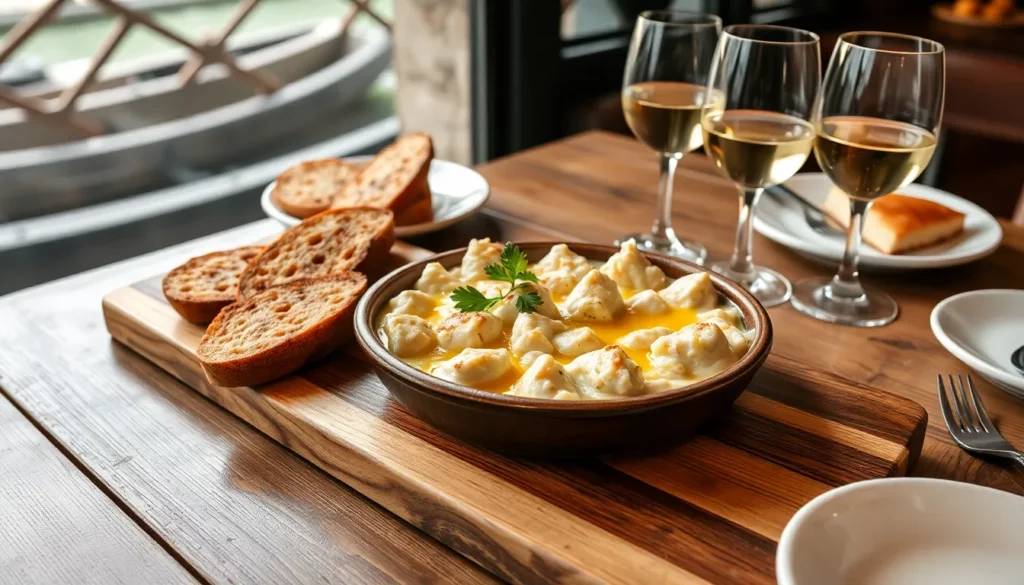
- Baccalà mantecato (Veneto): whipped salt cod with olive oil, garlic, and parsley, served on polenta or crostini.
- Baccalà alla napoletana (Naples): simmered with tomatoes, capers, olives, and potatoes.
- Stoccafisso alla genovese (Liguria): cooked with pine nuts, raisins, and tomatoes.
- Baccalà alla vicentina (Vicenza): slow-cooked with milk, onions, anchovies, and Parmesan.
Differentiation: Merluzzo is not to be confused with “baccalà” as a term for dried cod in other cultures; in Italy, baccalà specifically refers to salted cod, while stoccafisso is unsalted dried cod. Fresh cod is rarely used in traditional recipes.
Regional Variations
Merluzzo dishes vary dramatically across Italy. Below is a comparison of three major regional styles:
| Region | Typical Dish | Key Ingredients | Preparation Method |
|---|---|---|---|
| Veneto | Baccalà mantecato | Salt cod, olive oil, garlic, parsley, lemon | Poached then whipped into a creamy spread |
| Campania | Baccalà alla napoletana | Salt cod, tomatoes, capers, olives, potatoes | Stewed in tomato sauce with vegetables |
| Liguria | Stoccafisso alla genovese | Stockfish, pine nuts, raisins, tomatoes, olives | Slow-cooked with sweet and savory elements |
Other notable variations include Sicilian baccalà with oranges and fennel, and Calabrian spicy baccalà with peperoncino.
How It’s Traditionally Eaten
Merluzzo dishes are typically served as a secondo piatto (main course) after pasta or soup. In Veneto, baccalà mantecato is often an antipasto spread on crostini or served alongside polenta. In Naples, baccalà alla napoletana is a hearty main with potatoes. During Lent and Christmas Eve (La Vigilia), merluzzo is a traditional meatless meal. Pairings include light red wines like Bardolino or white wines like Soave. It is rarely served as a primo (pasta course), though some recipes incorporate it into pasta sauces.
Common Mistakes / What It’s Not
Many American-Italian restaurants mistakenly serve fresh cod fillets labeled “baccalà” without the salting process. True baccalà must be salt-cured and rehydrated. Another misconception is that merluzzo is always fried; in fact, most traditional preparations are braised, poached, or whipped. It is not a fish-and-chips style dish. Also, “stoccafisso” is not the same as baccalà—the former is unsalted and air-dried, requiring longer soaking. Avoid confusing merluzzo with “baccalà” as a generic term for dried cod in other cuisines; in Italy, the distinction is crucial.
Where to Try It / What to Order
For authentic merluzzo, visit these regions:
- Venice: Try baccalà mantecato at Osteria alle Testiere or Cantine del Vino già Schiavi.
- Vicenza: Order baccalà alla vicentina at Trattoria Al Capitan Grando.
- Genoa: Sample stoccafisso alla genovese at Sa Pesta or Trattoria da Maria.
- Naples: Baccalà alla napoletana at Trattoria da Nennella.
- Palermo: Baccalà con arance e finocchio at Osteria dei Vespri.
When ordering, specify “baccalà” or “stoccafisso” and ask about the preparation. Avoid dishes labeled simply “merluzzo” unless you confirm it’s preserved cod.
Related Dishes
- Baccalà Mantecato
- Stoccafisso alla Genovese
- Baccalà alla Vicentina
- Baccalà alla Napoletana
- Baccalà con Patate
FAQ
What is the difference between baccalà and stoccafisso?
Baccalà is salted and dried cod, while stoccafisso is air-dried unsalted cod (stockfish). Both require rehydration, but stoccafisso needs longer soaking because it has no salt to help break down the fibers.
How do you desalt baccalà?
Soak the baccalà in cold water for 24–48 hours, changing the water every 6–8 hours. The soaking time depends on the thickness of the fillet and the amount of salt used.
Is merluzzo the same as cod?
Yes, merluzzo is the Italian word for cod. However, in Italian cuisine, the term almost always refers to preserved cod (baccalà or stoccafisso) rather than fresh cod.
Can I use fresh cod for merluzzo recipes?
Traditional merluzzo recipes are designed for preserved cod. Using fresh cod will result in a different texture and flavor; it is not considered authentic.
What wine pairs with baccalà mantecato?
A light, crisp white wine such as Soave or a Pinot Grigio from Veneto pairs well. Alternatively, a Bardolino (light red) can complement the richness.

Leave a Reply