
Short Answer
What It Is
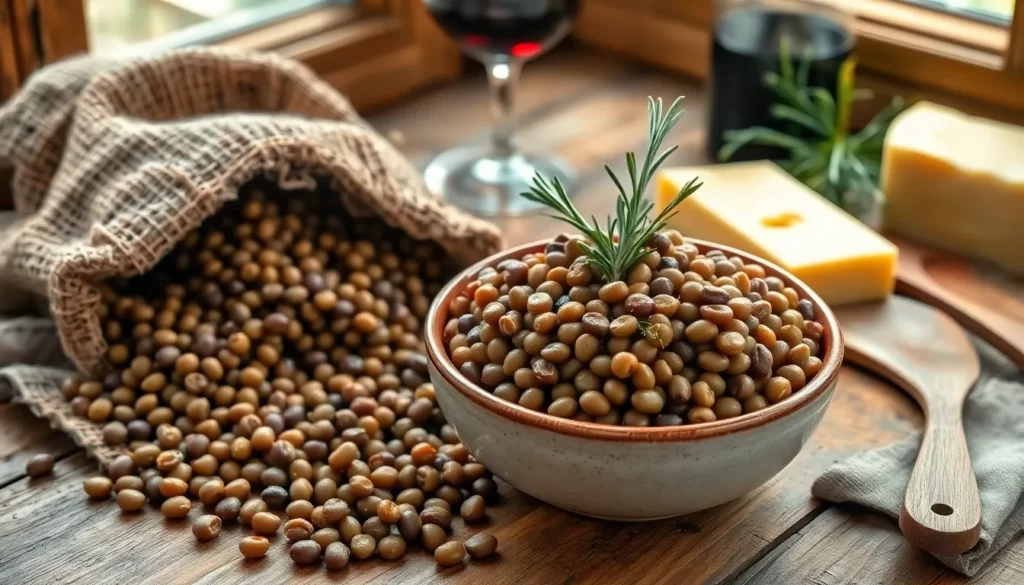
Lenticchie (Italian for lentils) are small, lens-shaped legumes that have been cultivated in Italy since ancient Roman times. They are a staple of the Mediterranean diet, particularly in central and southern regions, where they thrive in volcanic or calcareous soils. The most prestigious Italian lentils carry the Indicazione Geografica Protetta (IGP) or Denominazione di Origine Protetta (DOP) certification, guaranteeing their origin and traditional production methods.
The most famous is Lenticchia di Castelluccio di Norcia IGP, grown on the high plains of the Sibillini Mountains in Umbria at altitudes above 1,200 meters. This lentil is small, with a thin skin that does not require soaking, and has a delicate, nutty flavor. Other notable varieties include Lenticchia di Altamura (Puglia), Lenticchia di Santo Stefano di Sessanio (Abruzzo), and Lenticchia di Villalba (Sicily). Production is artisanal: lentils are sown in spring, harvested in late summer, and sun-dried to preserve their integrity. The DOP/IGP status ensures that no chemical fertilizers or pesticides are used, and that the lentils are not mechanically polished, retaining their natural germ and skin.
“Le lenticchie sono il caviale dei poveri” — Italian proverb, meaning “Lentils are the caviar of the poor,” reflecting their historical role as a nourishing, affordable protein source.
Types & Grades
Italian lentils are classified primarily by origin, size, and processing. The table below summarizes the main types and their characteristics.

| Variety | Region | Size | Skin | Cooking Time | DOP/IGP |
|---|---|---|---|---|---|
| Castelluccio di Norcia | Umbria | Very small (2–3 mm) | Thin, no soaking needed | 20–30 min | IGP |
| Altamura | Puglia | Small (3–4 mm) | Medium, holds shape | 30–40 min | No (traditional) |
| Santo Stefano di Sessanio | Abruzzo | Small (3 mm) | Thin, creamy texture | 25–35 min | No (Slow Food Presidium) |
| Villalba | Sicily | Medium (4–5 mm) | Thicker, earthy flavor | 35–45 min | No (traditional) |
| Ustica | Sicily (island) | Small (3 mm) | Very thin, sweet | 20–30 min | No (Slow Food Presidium) |
Grades are based on uniformity of size and color, absence of broken lentils, and purity (no stones or debris). Premium grades are hand-sorted. Lentils are also sold as decorticate (split and hulled) for faster cooking, but traditional Italian recipes prefer whole lentils with skin for texture and nutrients.
How It’s Used in Cooking
Lenticchie are incredibly versatile in Italian cuisine. Their earthy, slightly sweet flavor pairs well with pork, sausages, and aromatic herbs like rosemary and sage. They are a key ingredient in many regional soups, stews, and side dishes.
Traditional Dishes
- Zuppa di lenticchie – A hearty soup from Umbria and Lazio, made with Castelluccio lentils, garlic, rosemary, and often pancetta or guanciale. Served with crusty bread and a drizzle of extra virgin olive oil.
- Lenticchie con cotechino – A classic New Year’s Eve dish in northern Italy, where lentils are simmered with cotechino (a large pork sausage) and served as a symbol of prosperity (the lentils resemble coins).
- Insalata di lenticchie – Cold lentil salad with diced vegetables, tuna, or hard-boiled eggs, dressed with lemon and olive oil. Popular in summer.
- Lenticchie al sugo – Lentils cooked in tomato sauce with garlic and chili, often served as a side to grilled meats or polenta.
- Pasta e lenticchie – A pasta and lentil soup from southern Italy, using small pasta like ditalini or broken spaghetti.
In professional kitchens, lentils are often cooked al dente to retain shape, then finished with a soffritto of onion, carrot, and celery. They are also used as a base for vegetarian burgers or as a filling for ravioli.
How to Choose/Identify Authentic Lenticchie
When buying authentic Italian lentils, look for these cues:
- Packaging: Look for the IGP or DOP logo on the label. For Castelluccio, the consortium’s seal guarantees origin.
- Appearance: Authentic Italian lentils are not uniformly sized; they vary slightly in color (from greenish-brown to reddish-brown) and shape. Overly uniform, shiny lentils may be industrially polished.
- Smell: Fresh lentils have a mild, earthy aroma. Any mustiness indicates poor storage.
- Texture: The skin should be intact, not cracked. Broken lentils are a sign of low quality.
- Origin: Check the “Prodotto in Italia” label. Many lentils sold as “Italian” are actually imported and repackaged. Look for the specific town or region.
- Price: Authentic DOP lentils, especially Castelluccio, are significantly more expensive (€10–15 per kg) due to low yields and artisanal processing.
For commercial buyers, sourcing from certified producers like Cooperativa di Castelluccio or Consorzio di Tutela ensures traceability.
Substitutes
If authentic Italian lentils are unavailable, these Italian substitutes can be used, though each has distinct characteristics:
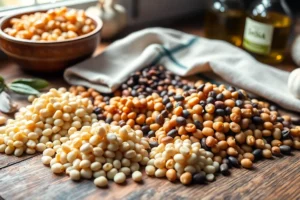
- Lenticchie verdi (green lentils) – Common in Italy, these are larger and hold their shape well. Use in soups and salads. They require longer cooking (40–50 min) and have a peppery flavor.
- Lenticchie rosse (red lentils) – Actually orange, these are split and hulled, cooking quickly (15–20 min) into a mush. Ideal for purées or thickening soups, but not for dishes where lentils should remain whole.
- Lenticchie beluga (black lentils) – Small, black, and caviar-like, they are grown in Italy but not DOP. They have a rich, earthy flavor and firm texture, making them a good substitute for Castelluccio in salads.
- Ceci (chickpeas) – Not a lentil, but often used in similar rustic soups (e.g., zuppa di ceci). They provide a nuttier flavor and creamier texture.
When substituting, adjust cooking times and liquid ratios. For traditional recipes that call for Castelluccio, the closest match is beluga lentils or small green lentils from Italy.
Conclusion
Lenticchie are more than a humble legume; they are a symbol of Italian culinary heritage, embodying the principles of simplicity, quality, and regional identity. Whether you choose the prized Castelluccio IGP or a local variety, understanding their origin and proper use will elevate your cooking. From a comforting winter soup to a celebratory New Year’s dish, lentils bring a taste of Italy’s rustic soul to the table.
FAQ
Do I need to soak Italian lentils before cooking?
Most Italian lentils, especially the thin-skinned varieties like Castelluccio di Norcia, do not require soaking. Simply rinse them and cook directly. Thicker-skinned lentils like Altamura may benefit from a 30-minute soak to reduce cooking time, but it is not essential.
What is the difference between IGP and DOP for lentils?
DOP (Denominazione di Origine Protetta) requires that all production, processing, and preparation occur in the designated region. IGP (Indicazione Geografica Protetta) requires that at least one stage of production is linked to the region. For lentils, Castelluccio di Norcia is IGP, meaning the lentils are grown and processed in the Castelluccio area, but the certification is slightly less strict than DOP.
Why are Italian lentils more expensive than regular lentils?
Italian DOP/IGP lentils are produced in small quantities using traditional, often organic methods. They are hand-harvested, sun-dried, and carefully sorted. The low yields and high labor costs, combined with their superior flavor and texture, justify the higher price.
Can I use red lentils in place of Castelluccio lentils?
Red lentils are split and hulled, so they cook into a soft purée and lose their shape. They are not a good substitute for whole lentils in salads or soups where texture is important. For a similar appearance, use beluga (black) lentils or small green lentils.
Leave a Reply