
Short Answer
What It Is
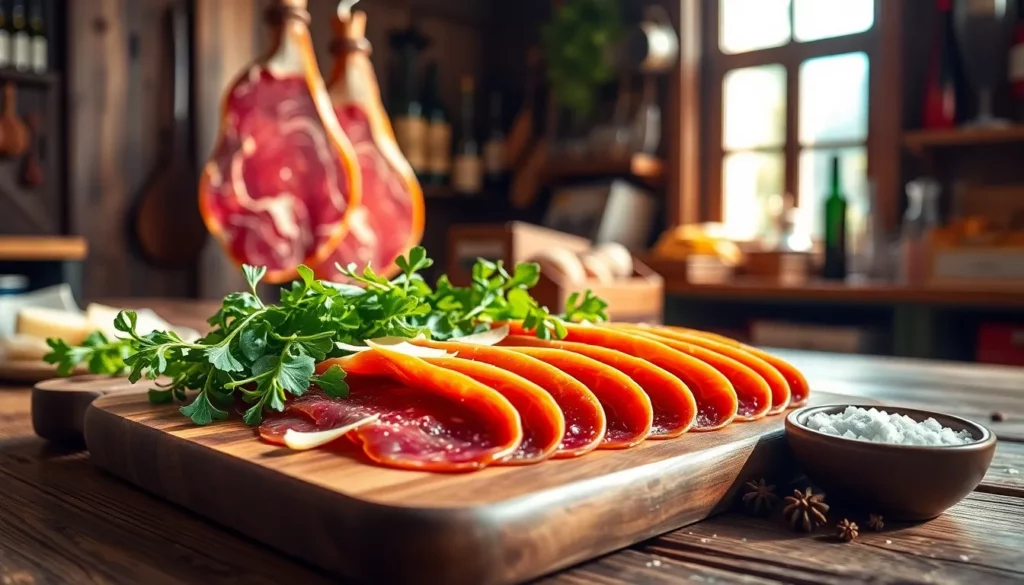
Bresaola (pronounced breh-ZOW-lah) is a premium Italian air-dried, salted, and aged beef product originating from the Valtellina valley in the Lombardy region of northern Italy. Unlike many cured meats that are smoked or heavily spiced, Bresaola is prized for its delicate, lean character and deep, savory flavor. The production process involves selecting whole beef cuts—typically from the top round (fesa)—trimming them of fat, dry-salting with a mixture of sea salt, black pepper, juniper berries, garlic, and sometimes wine or sugar, then hanging them to air-dry in well-ventilated rooms for a period ranging from 30 days to several months. The result is a firm, dark red meat with a silky texture and a concentrated taste that is both robust and refined.
Bresaola della Valtellina has been granted Indicazione Geografica Protetta (IGP) status by the European Union, a designation that protects its traditional production methods and geographical origin. Only beef from specific breeds (e.g., Charolais, Limousin, or crossbreeds) raised in defined regions of Italy and processed within the Valtellina area can bear the official IGP seal. This certification ensures authenticity and quality, making Bresaola a cornerstone of Italian charcuterie.
Types & Grades
Bresaola is not a monolithic product; variations exist based on aging time, cut of meat, and seasoning. The following table outlines the main grades and types recognized by producers and the Consorzio di Tutela Bresaola della Valtellina:

| Grade / Type | Aging Time | Characteristics | Typical Use |
|---|---|---|---|
| Bresaola Giovane (Young) | 30–60 days | Milder flavor, softer texture, lighter color | Thinly sliced for antipasti, salads |
| Bresaola Stagionata (Aged) | 60–90 days | More intense, firmer, deeper red, slight crystallization of proteins | Grazing boards, paired with aged cheeses |
| Bresaola Extra Vecchia (Extra Old) | 90–120+ days | Very concentrated, almost gamey, hard texture, intense umami | Shaved over pasta or risotto, as a flavoring agent |
| Bresaola di Cavallo (Horse) – not beef, but a traditional variant | Similar aging | Darker, sweeter, more tender; less common | Regional specialty in parts of Lombardy |
Additionally, some artisanal producers offer Bresaola al Barolo (marinated in Barolo wine before drying) or Bresaola affumicata (lightly smoked), though these are not traditional to the IGP specification. The IGP product strictly follows the classic recipe.
How It’s Used in Cooking
Bresaola is incredibly versatile in Italian cuisine. Its lean, protein-rich nature makes it a favorite for both raw and cooked applications. Traditional uses include:
- Antipasto Platters: Thinly sliced Bresaola is served with a drizzle of extra-virgin olive oil, lemon juice, arugula, and shaved Parmigiano-Reggiano. This classic combination, known as Bresaola e Rucola, highlights the meat’s delicate flavor.
- Salads: Bresaola adds a savory punch to salads, often paired with citrus, fennel, or radicchio.
- Pasta and Risotto: Shredded or diced Bresaola can be sautéed and incorporated into sauces for pasta (e.g., with cream and mushrooms) or stirred into risotto at the end of cooking for a meaty depth without heaviness.
- Wraps and Roll-Ups: Bresaola slices are used as a low-fat alternative to prosciutto in pinwheels filled with cheese, roasted peppers, or herbs.
- Pizza and Flatbreads: Added after baking to preserve its texture, Bresaola lends a sophisticated touch to gourmet pizzas.
“Bresaola is the quiet elegance of the Italian salumeria—never overpowering, always memorable.” – Traditional Valtellina saying
In professional kitchens, Bresaola is often used to add umami to broths or as a garnish for consommés. Its low fat content (around 2–3%) makes it a popular choice for health-conscious menus.
How to Choose/Identify Authentic Bresaola
For chefs, retailers, and discerning home cooks, selecting genuine Bresaola requires attention to several cues:
- Look for the IGP Seal: Authentic Bresaola della Valtellina IGP will bear a numbered certification mark on the packaging. This guarantees origin, production method, and traceability.
- Check the Ingredients: Traditional Bresaola contains only beef, salt, and natural spices (pepper, juniper, garlic). Avoid products with added nitrates/nitrites, artificial flavors, or excessive sugar.
- Examine the Color and Texture: High-quality Bresaola has a deep ruby red color with minimal fat marbling. The surface should be dry to the touch, not sticky or slimy. When sliced, it should be firm but pliable.
- Smell and Taste: Authentic Bresaola has a clean, slightly spicy aroma with notes of juniper and black pepper. The taste is savory, with a gentle sweetness and a long finish. Any off-odors or excessive saltiness indicate poor quality.
- Know the Producer: Reputable names include Negrini, Fratelli Beretta, Salumificio Fratelli Galloni, and Consorzio di Tutela members. Buying from specialty Italian delis or directly from the region ensures authenticity.
For commercial buyers, requesting a certificate of analysis and verifying the product’s IGP registration number is recommended.
Substitutes
While Bresaola is unique, certain Italian cured meats can serve as substitutes in recipes, depending on the desired outcome:
- Speck Alto Adige IGP: A lightly smoked and cured ham from South Tyrol. It has a smokier, fattier profile, making it a good substitute in cooked dishes where Bresaola is used for flavor, but not for raw antipasti due to its different texture.
- Prosciutto Crudo (e.g., Prosciutto di Parma DOP): More delicate and fatty, prosciutto can replace Bresaola in salads or wraps, though it lacks the lean, dense character. Use when a milder, sweeter taste is acceptable.
- Bresaola di Cavallo: If available, this horse-meat variant is the closest substitute in texture and flavor, though it is sweeter and darker. It is a traditional alternative in some Lombard recipes.
- Beef Bresaola from other regions: Non-IGP Bresaola produced elsewhere in Italy (e.g., from Piedmont or Veneto) may be similar but without the strict production rules. They can be used in cooking but may vary in quality.
For vegetarian or vegan alternatives, consider marinated and roasted eggplant slices or seitan-based “bresaola” products, though these are not traditional Italian substitutes.
Conclusion
Bresaola stands as a testament to Italian curing artistry—a lean, flavorful, and versatile ingredient that has been perfected over centuries in the alpine valleys of Valtellina. Whether enjoyed simply with olive oil and lemon or incorporated into complex dishes, authentic Bresaola IGP offers a unique taste of tradition. By understanding its grades, proper selection, and culinary applications, chefs and food enthusiasts can fully appreciate this exceptional product and bring a piece of Lombardy to their tables.
FAQ
What is the difference between Bresaola and Prosciutto?
Bresaola is made from lean beef (top round) that is dry-salted and air-dried, resulting in a very low fat content and a dense, savory flavor. Prosciutto is made from pork leg, is typically fattier, and can be either aged (Prosciutto Crudo) or cooked (Prosciutto Cotto). Bresaola is also usually seasoned with juniper and black pepper, while prosciutto relies more on salt and time.
Is Bresaola safe to eat raw?
Yes, Bresaola is a cured meat that is safe to eat without cooking. The salting and drying process reduces water activity and creates an environment that inhibits harmful bacteria. However, it should be stored properly (refrigerated) and consumed by the use-by date. Pregnant women and immunocompromised individuals should consult their doctor, as with any raw cured meat.
How should I store Bresaola after opening?
Once opened, Bresaola should be wrapped tightly in plastic wrap or placed in an airtight container and stored in the refrigerator at 2–4°C. It is best consumed within 3–5 days. For longer storage, you can freeze sliced Bresaola for up to 2 months, though texture may slightly degrade.
Leave a Reply