
Short Answer
What Is Pollanca? Italian Poultry Dish Explained
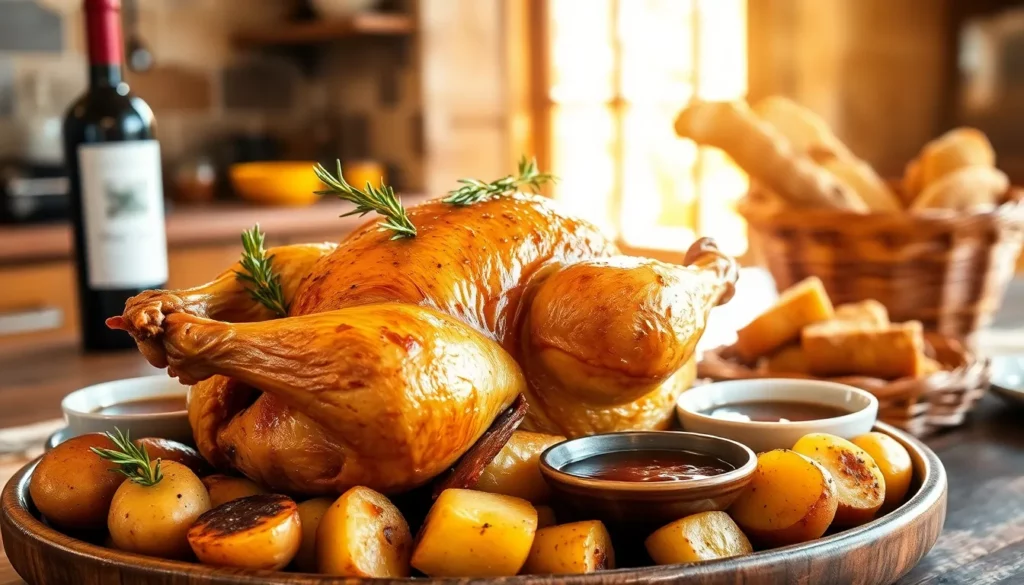
Pollanca is a traditional Italian dish made from a young hen, typically between 5 and 7 months old, known for its tender, flavorful meat. The term “pollanca” itself refers to the young female chicken, and the dish is most commonly associated with the central Italian regions of Marche, Umbria, and Tuscany. Key ingredients include the hen itself, extra virgin olive oil, garlic, fresh rosemary, sage, white wine, and sometimes tomatoes or capers. The preparation method varies from roasting to braising, but the goal is always to highlight the delicate taste of the poultry. Unlike standard broiler chickens, pollanca comes from specific heritage breeds raised for superior texture and flavor, making it a prized ingredient in rustic Italian cooking.
Origin & History
The use of pollanca in Italian cooking dates back to the Renaissance, when young hens were considered a delicacy for noble tables. In the Marche region, historical cookbooks from the 16th century, such as Il Cuoco Segreto, mention “pollanca in potacchio,” a stew with herbs and vinegar. Unlike myths that claim pollanca is simply a young chicken, true pollanca comes from a specific breed of hen raised for its meat quality, often the “Rusticola” or “Mugellese” varieties. The dish became a symbol of rustic, farm-to-table cooking in central Italy, often prepared for Sunday lunches and festive occasions. During the 19th century, pollanca gained popularity in Umbrian agriturismi, where it was slow-cooked in earthenware pots. Anecdotes from local folklore tell of farmers presenting a pollanca as a gift to landowners during harvest festivals, underscoring its cultural significance.
“La pollanca è il re della tavola contadina: tenera, saporita, e sempre accompagnata da un buon bicchiere di vino.” – Traditional Marche saying
What’s In It
Core ingredients for a classic pollanca dish include:
- Young hen (pollanca) – about 1.5 kg, preferably free-range
- Extra virgin olive oil – for marinating and cooking
- Garlic cloves – 3-4, crushed
- Fresh rosemary and sage – a few sprigs each
- Dry white wine – 1 cup, for deglazing
- Salt and black pepper – to taste
- Optional: pancetta, tomatoes, olives, capers – depending on regional variation
The preparation involves marinating the hen in olive oil, garlic, and herbs for at least 2 hours, then roasting at 180°C (350°F) for about 1 hour, basting occasionally. For braised versions, the hen is first seared, then simmered in wine and broth until tender. Unlike similar dishes like pollo alla cacciatora which uses a mature chicken and a tomato-based sauce, pollanca emphasizes the purity of the meat with lighter seasoning. The key is to avoid overpowering the delicate flavor of the young hen.
Regional Variations
Pollanca varies across central Italy, with each region adding its own twist. The table below summarizes the main differences:
| Region | Dish Name | Key Ingredients | Cooking Method |
|---|---|---|---|
| Marche | Pollanca in potacchio | Garlic, rosemary, white wine, vinegar | Braising |
| Umbria | Pollanca alla ghiotta | Pancetta, fennel seeds, black olives | Roasting with pan sauce |
| Tuscany | Pollanca al forno | Potatoes, garlic, rosemary | Roasting |
| Lazio | Pollanca alla romana | Tomatoes, bell peppers, onions | Stewing |
In Lazio, the dish often includes tomatoes and bell peppers, but purists argue this deviates from the traditional focus on the hen’s natural flavor. The Marche version, pollanca in potacchio, is considered the most authentic by many historians, as it dates back to the 16th century.
How It’s Traditionally Eaten
Pollanca is served as a secondo (main course) after a primo like pasta or soup. It is typically accompanied by contorni such as roasted potatoes, sautéed spinach, or a simple salad. The dish is often reserved for Sunday family lunches or holiday feasts, especially Easter and Christmas. In rural areas, it is also prepared for harvest celebrations and sagre (food festivals). Wine pairings include a medium-bodied red like Montepulciano d’Abruzzo or a Sangiovese from Tuscany. For white wine lovers, a Verdicchio from Marche complements the herbaceous notes. The hen is usually carved at the table, and the pan juices are spooned over the meat or used to dress contorni.
Common Mistakes / What It’s Not
A frequent misconception is that pollanca is the same as a standard broiler chicken. In reality, pollanca is a specific young hen with a more refined texture and flavor. Another mistake is overcooking, which dries out the delicate meat; the ideal internal temperature is 74°C (165°F). Also, pollanca is not a pasta dish, nor is it a fried chicken preparation. American-Italian restaurants sometimes serve “chicken pollanca” as a generic roasted chicken, but authentic pollanca requires the correct bird and traditional herbs. Additionally, some cooks mistakenly use mature hens or roosters, which yield tougher meat unsuitable for this dish. To avoid these errors, always source a genuine pollanca from a trusted butcher or farm.
Where to Try It / What to Order
To experience authentic pollanca, visit the Marche region, especially the towns of Ascoli Piceno and Macerata, where trattorias serve “pollanca in potacchio.” In Umbria, look for “pollanca alla ghiotta” in farmhouse restaurants (agriturismi) such as those around Spoleto. In Tuscany, seek out “pollanca al forno” in rustic osterias in the Chianti region. When ordering, ask if the dish uses a young hen (pollanca) rather than a mature chicken. For travelers, the Sagra della Pollanca festival in the town of Cingoli (Marche) celebrates the dish every August, offering tastings and cooking demonstrations. In Rome, a few traditional trattorias in the Testaccio neighborhood occasionally feature pollanca on their menus, especially during the spring season.
Related Dishes
FAQ
What is the difference between pollanca and regular chicken?
Pollanca is a young hen (5-7 months old) with more tender and flavorful meat than a standard broiler chicken (typically 6-8 weeks old). It also comes from specific heritage breeds and is often raised free-range, resulting in a superior texture and taste.
Can pollanca be substituted with chicken?
While you can substitute a small, young chicken (poussin) in a pinch, the result will not be the same. For an authentic pollanca dish, seek out a young hen from a butcher or farm that specializes in heritage poultry.
What is the best cooking method for pollanca?
Roasting or braising are the traditional methods. Roasting at 180°C (350°F) with herbs and olive oil preserves the delicate flavor, while braising in white wine and broth yields a moist, fall-off-the-bone texture. Avoid frying or grilling, which can dry out the meat.
Is pollanca a specific breed of chicken?
Yes, traditional pollanca comes from heritage breeds such as the Rusticola or Mugellese, which are raised for their meat quality. These breeds grow slower and develop more flavor than industrial broilers.
What wine goes with pollanca?
A medium-bodied red wine like Montepulciano d'Abruzzo or a Sangiovese from Tuscany pairs well. For white wine lovers, a Verdicchio from Marche complements the herbaceous notes of the dish.

Leave a Reply