
Short Answer
What It Is
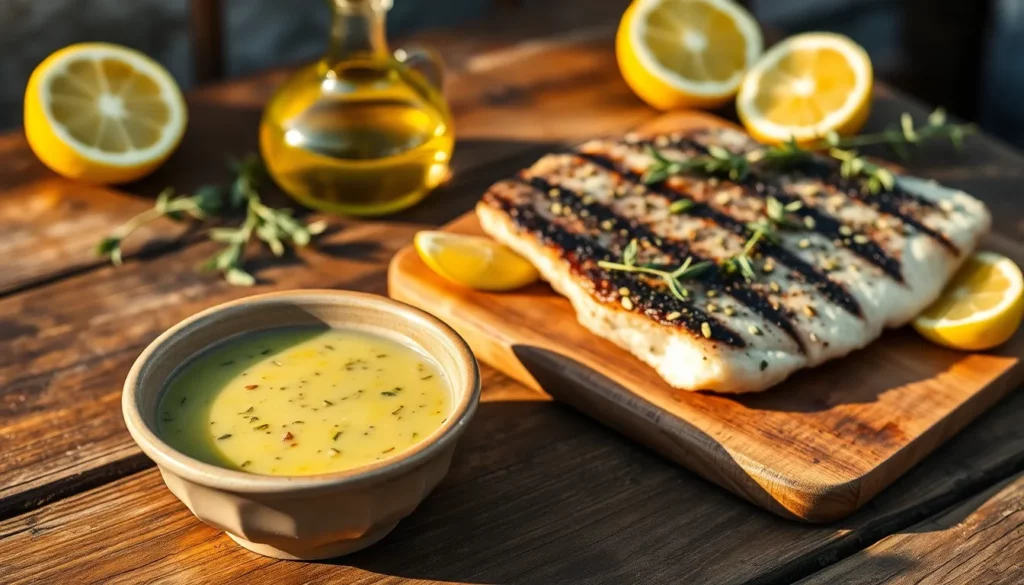
Salmoriglio (pronounced sahl-moh-REE-lyoh) is a classic Italian emulsified sauce originating from Sicily, particularly the coastal areas of Messina and Palermo. Unlike cooked sauces, salmoriglio is prepared raw by vigorously whisking extra-virgin olive oil with fresh lemon juice, minced garlic, dried oregano, salt, and sometimes parsley or mint. The result is a light, tangy, and herbaceous condiment that enhances the natural flavors of grilled fish, seafood, and vegetables.
Historically, salmoriglio was a fisherman’s sauce—simple ingredients carried aboard boats to dress the day’s catch. Its name likely derives from the Latin sal muria (salt brine) or the Greek halmyris (salty), reflecting its ancient roots in Mediterranean cuisine. While it does not hold a DOP or PGI certification (as it is a preparation rather than a product), its authenticity is safeguarded by traditional recipes passed down through generations. The sauce is a staple of cucina povera, embodying the principle of using few, high-quality ingredients to create maximum flavor.
“Salmoriglio is the soul of Sicilian summer—a sauce that captures the sun, the sea, and the scent of wild oregano.” — Fabrizia Lanza, The Food of Sicily
Types & Grades
While salmoriglio is not aged or graded like cheese or vinegar, it exists in several regional and personal variations. The table below outlines the most common types:

| Type | Key Ingredients | Typical Use |
|---|---|---|
| Classic Salmoriglio | Extra-virgin olive oil, lemon juice, garlic, dried oregano, salt, pepper | Grilled fish (swordfish, sea bass), shrimp, calamari |
| Salmoriglio con Prezzemolo | Adds fresh parsley | Milder flavor; pairs with white fish, chicken, or roasted potatoes |
| Salmoriglio alla Menta | Replaces oregano with fresh mint | Lamb, grilled vegetables, or as a dressing for salads |
| Salmoriglio Piccante | Adds red chili flakes or fresh chili | Spicy kick; ideal with oily fish (mackerel, sardines) or grilled octopus |
| Salmoriglio Senza Aglio | Omits garlic; sometimes adds shallot or chives | For those with garlic sensitivity; still retains citrus-herb profile |
There are no official “grades,” but the quality of ingredients—especially the olive oil and lemon—determines the sauce’s excellence. A true Sicilian salmoriglio uses DOP Sicilian extra-virgin olive oil (e.g., from Val di Mazara or Monti Iblei) and freshly squeezed lemons from the IGP Limone di Siracusa.
How It’s Used in Cooking
Salmoriglio is primarily a finishing sauce or marinade. Its bright acidity and herbaceous notes cut through rich, fatty fish and complement delicate seafood. Traditional applications include:
- Pesce Spada alla Ghiotta – Swordfish steaks grilled over charcoal, then drizzled with salmoriglio and served with a side of caponata.
- Grigliata Mista di Pesce – A mixed seafood grill (shrimp, squid, octopus, and fish fillets) basted with salmoriglio during cooking and again at the table.
- Insalata di Mare – Cold seafood salad dressed with salmoriglio instead of a vinaigrette.
- Verdure Grigliate – Grilled eggplant, zucchini, bell peppers, and onions tossed in salmoriglio.
- Marinade for Chicken or Lamb – The sauce’s acidity tenderizes meat; it is especially popular for agnello alla griglia (grilled lamb chops).
Professional chefs often use salmoriglio as a quick emulsion to finish pan-seared fish or as a dipping sauce for fried calamari. Because it is not cooked, the sauce retains the full aroma of raw garlic and fresh herbs, so it should be used within a few hours of preparation.
How to Choose/Identify Authentic Salmoriglio
When purchasing pre-made salmoriglio (rare but available in specialty stores) or making it yourself, look for these authenticity cues:
- Ingredient List: Authentic salmoriglio contains only olive oil, lemon juice, garlic, oregano, salt, and optionally parsley or mint. Avoid versions with vinegar, sugar, stabilizers, or artificial flavors.
- Olive Oil Quality: The first ingredient should be extra-virgin olive oil, preferably from Sicily. Check for a DOP label or a clear origin statement.
- Color and Texture: A freshly made salmoriglio is pale yellow-green, slightly opaque from the emulsion, with visible specks of herbs and garlic. It should not be completely clear or separated (though separation is natural after standing).
- Packaging: If bottled, it should be in dark glass to protect from light. Refrigeration is recommended; check the expiration date.
- Regional Certification: While no DOP exists for the sauce itself, some producers may carry a “Prodotto Tradizionale Siciliano” (PTS) mark, indicating adherence to traditional methods.
For the most authentic experience, make it fresh. Use a mortar and pestle to crush garlic and oregano with salt, then whisk in oil and lemon juice drop by drop until emulsified.
Substitutes
If salmoriglio is unavailable, several Italian sauces can serve as alternatives, each with a distinct character:
- Salsa Verde – A Piedmontese sauce of parsley, capers, anchovies, garlic, and olive oil. It is more pungent and less acidic than salmoriglio; use it with boiled meats or fish.
- Gremolata – A Milanese condiment of lemon zest, garlic, and parsley. It lacks the oil base of salmoriglio and is best sprinkled over osso buco or grilled fish just before serving.
- Agliata – A Ligurian garlic sauce made by pounding garlic with olive oil and sometimes breadcrumbs. It is thicker and more intense; ideal for roasted vegetables or as a spread.
- Citronette – A simple vinaigrette of lemon juice and olive oil, often with herbs. While not a direct substitute, it can mimic the acidity and oiliness of salmoriglio in a pinch.
Each substitute changes the flavor profile, so choose based on the dish: for delicate fish, gremolata or citronette work well; for robust meats, salsa verde or agliata are better.
Conclusion
Salmoriglio is a testament to the power of simplicity in Italian cooking. With just a handful of fresh ingredients, it transforms grilled fish and vegetables into memorable dishes. Whether you source it from a Sicilian producer or whisk it together in your own kitchen, understanding its history, variations, and proper use will elevate your culinary repertoire. Embrace this sauce as a celebration of the Mediterranean sun and sea.
FAQ
Is salmoriglio the same as salsa verde?
No. Salmoriglio is a Sicilian sauce based on olive oil, lemon, garlic, and oregano, while salsa verde is a Piedmontese sauce made with parsley, capers, anchovies, and vinegar. They have different flavor profiles and regional origins.
Can I use bottled lemon juice for salmoriglio?
Freshly squeezed lemon juice is strongly recommended for the best flavor. Bottled juice often contains preservatives and lacks the bright acidity and aromatic oils of fresh lemons, which are essential for an authentic salmoriglio.
How long does homemade salmoriglio last?
Homemade salmoriglio is best used within a few hours. It can be refrigerated in an airtight container for up to 2 days, but the garlic flavor will intensify and the emulsion may break. Whisk again before using.
Leave a Reply