
Short Answer
What It Is
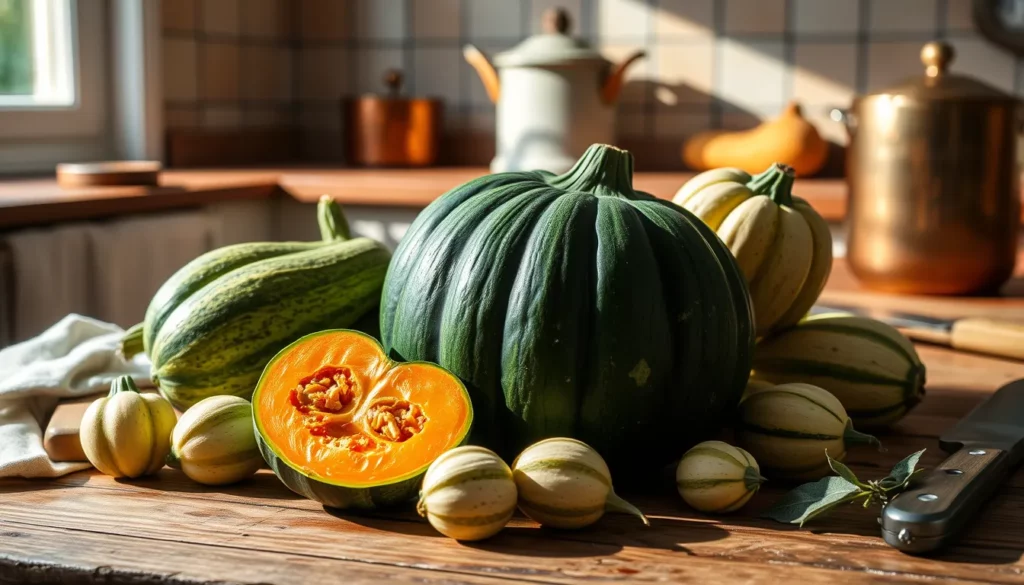
Squash, known in Italy as zucca (winter squash) and zucchine (summer squash), encompasses a diverse group of cucurbits that have become fundamental to Italian cuisine. Originating in the Americas, squash was introduced to Europe after 1492 and quickly adapted to the Italian peninsula, where it flourished in regional microclimates. Today, Italy boasts several protected varieties under the European Union’s DOP (Denominazione di Origine Protetta) and PGI (Indicazione Geografica Protetta) systems, including Zucchino di Faenza PGI and the traditional Zucca di Chioggia (though not DOP, it is a Slow Food Presidium). These certifications guarantee that the squash is produced, processed, and prepared in a specific geographical area using traditional methods, ensuring authenticity and quality.
The cultivation of squash in Italy is deeply tied to the seasons: summer squash (zucchine) are harvested from late spring through early autumn, while winter squash (zucca) are gathered in autumn and stored for use throughout the colder months. The versatility of squash is celebrated in every region, from the creamy risottos of Lombardy to the stuffed flowers of Lazio and the hearty soups of Tuscany.
Types & Grades
Italian squash can be broadly categorized into summer and winter types, each with distinct varieties and culinary applications. The following table outlines the most important Italian squash types, their characteristics, and typical uses.
| Type | Variety | Characteristics | Common Uses |
|---|---|---|---|
| Summer Squash | Zucchino di Faenza PGI | Elongated, light green with darker stripes; tender skin; mild flavor | Grilled, sautéed, in frittatas, stuffed |
| Summer Squash | Zucchino Romano | Round or oval; pale green; firm flesh | Stuffed (ripieni), baked |
| Summer Squash | Zucchino Trombetta | Curved, trumpet-shaped; pale green; crisp texture | Raw in salads, pickled, grilled |
| Winter Squash | Zucca di Chioggia | Large, ribbed, dark green or orange; dense, sweet flesh | Risotto, gnocchi, soups, roasted |
| Winter Squash | Zucca Mantovana | Oblong, green with orange spots; floury texture | Boiled, mashed, in tortelli |
| Winter Squash | Zucca Butternut (imported) | Bottle-shaped; tan skin; smooth, nutty flesh | Roasted, puréed, in pasta sauces |
Grades of squash are typically based on size, maturity, and quality. For summer squash, smaller specimens (10–15 cm) are considered prime for eating raw or lightly cooked, while larger ones may be used for stuffing or grating. Winter squash are graded by weight and sugar content; a heavy, dense zucca with a high Brix value is preferred for sweet preparations. Organic and conventional grades exist, but DOP/PGI varieties are the gold standard for authenticity.
How It’s Used in Cooking
Italian cuisine employs squash in countless traditional dishes, showcasing its adaptability. Summer squash (zucchine) are often eaten raw in salads, grilled as a contorno, or sautéed with garlic and herbs. One iconic preparation is Zucchine alla scapece – sliced zucchini marinated in vinegar, mint, and garlic, a specialty of Campania. The delicate flowers (fiori di zucca) are stuffed with mozzarella and anchovies, then battered and fried, a classic Roman appetizer.
Winter squash (zucca) shines in hearty dishes. Risotto alla zucca is a creamy Venetian staple, often enriched with Parmesan and sage. In Lombardy, gnocchi di zucca are light dumplings served with butter and sage. Tuscany offers zuppa di zucca, a velvety soup with rosemary and croutons. The sweet flesh of zucca also appears in desserts, such as torta di zucca from Emilia-Romagna.
“La zucca è il tesoro dell’autunno: con la sua polpa dolce e vellutata, scalda il cuore e la tavola.” – Traditional Italian saying
Professional kitchens value squash for its ability to absorb flavors and provide texture. Chefs often roast winter squash to concentrate its sweetness, then purée it for sauces or fillings. Summer squash are frequently spiralized into “zoodles” as a low-carb pasta alternative, a modern twist on tradition.
How to Choose/Identify Authentic SQUASH
Selecting authentic Italian squash requires attention to visual cues, seasonality, and certification labels. For Zucchino di Faenza PGI, look for the PGI logo on packaging or at farmers’ markets in Emilia-Romagna. The squash should be 15–20 cm long, with a light green skin and darker longitudinal stripes. Avoid overly large or puffy specimens, as they indicate over-maturity and a spongy texture.
For Zucca di Chioggia, choose a squash that feels heavy for its size, with a hard, deeply ribbed skin. The color should be dark green or orange, depending on the variety. A dull, soft spot suggests decay. Authentic Zucca di Chioggia is often sold in slices at Italian markets; the flesh should be bright orange and dense.
General tips for all squash: summer squash should be firm, glossy, and free of blemishes; winter squash should have a hard rind and a hollow sound when tapped. Seasonality is key – summer squash are best from June to September, winter squash from October to February. For DOP/PGI products, always verify the producer’s origin and look for the official EU logo.
Substitutes
When authentic Italian squash is unavailable, several substitutes can mimic its texture and flavor. For zucchine (summer squash), other summer squash varieties like yellow crookneck or pattypan work well in most recipes. In a pinch, cucumber can replace raw zucchini in salads, though it lacks the same firmness. For cooked dishes, eggplant is a common substitute, especially in ratatouille-style preparations.
For zucca (winter squash), butternut squash is the closest match in sweetness and texture, followed by acorn or kabocha squash. Sweet potato can replace zucca in soups and purées, though it adds a distinct earthiness. In risotto, pumpkin (Cucurbita maxima) from other regions is acceptable, but the flavor will differ slightly. For DOP-specific recipes, using a non-Italian squash may alter the dish’s character, but it remains a practical alternative.
It is important to note that substitutes should be chosen based on the dish’s moisture content and cooking method. For example, in stuffed zucchini, a firmer substitute like eggplant is preferable, while in risotto, a sweeter, denser squash like butternut is ideal.
Conclusion
Italian squash, whether the tender zucchine of summer or the robust zucca of winter, is a cornerstone of regional cooking. Understanding the protected varieties, selecting authentic specimens, and knowing suitable substitutes empowers cooks to honor tradition while adapting to availability. From the fields of Faenza to the markets of Chioggia, squash remains a versatile and beloved ingredient in the Italian kitchen.
FAQ
What is the difference between zucca and zucchine?
Zucca refers to winter squash (pumpkin-type) with a hard rind and dense, sweet flesh, harvested in autumn. Zucchine are summer squash with tender skin and mild flavor, harvested in warm months. Both belong to the Cucurbita genus but are different species and used differently in cooking.
Is Zucchino di Faenza the same as regular zucchini?
No, Zucchino di Faenza is a specific PGI-protected variety grown in the Faenza area of Emilia-Romagna. It is elongated, light green with darker stripes, and has a delicate flavor. Regular zucchini may be different shapes, colors, and origins, lacking the geographical certification.
Can I substitute butternut squash for zucca in Italian recipes?
Yes, butternut squash is an excellent substitute for zucca in most recipes, as it has a similar sweetness and texture. However, authentic Italian dishes like risotto alla zucca may taste slightly different if using a non-Italian variety. For best results, choose a dense, sweet squash.



Leave a Reply