
Short Answer
What Is Vitella, vitello? Italian Ingredient Explained
In Italian culinary terminology, vitella (female calf) and vitello (male calf) both refer to veal—the meat of young cattle, typically slaughtered between three and eight months of age. Prized for its pale color, fine texture, and delicate flavor, veal is a cornerstone of northern Italian cuisine, particularly in regions like Lombardy, Piedmont, and Emilia-Romagna. Unlike beef from older animals, vitello offers a tenderness that lends itself to quick cooking methods such as scaloppine, as well as slow braises like ossobuco. The key ingredients are simple: high-quality veal cuts, butter, white wine, broth, and aromatic herbs. This article unpacks the cultural significance, regional variations, and proper enjoyment of vitella and vitello in authentic Italian cooking.
Origin & History
The consumption of veal in Italy dates back to ancient Roman times, where young calves were often reserved for sacrificial rituals and elite banquets. However, the systematic production of vitello as a distinct culinary ingredient emerged during the Middle Ages, particularly in the Po Valley, where abundant pastures and dairy farming created a natural surplus of male calves. By the Renaissance, veal had become a symbol of refinement in the courts of Milan and Florence. The famous dish Vitello Tonnato—cold sliced veal with a tuna-caper sauce—is believed to have originated in Piedmont during the 19th century, possibly influenced by trade with coastal regions. Contrary to myth, veal was not a peasant food; its high cost and limited availability made it a luxury for the wealthy. Today, Italy remains one of Europe’s largest consumers of veal, though modern ethical concerns have led to stricter regulations on calf rearing.
What’s In It
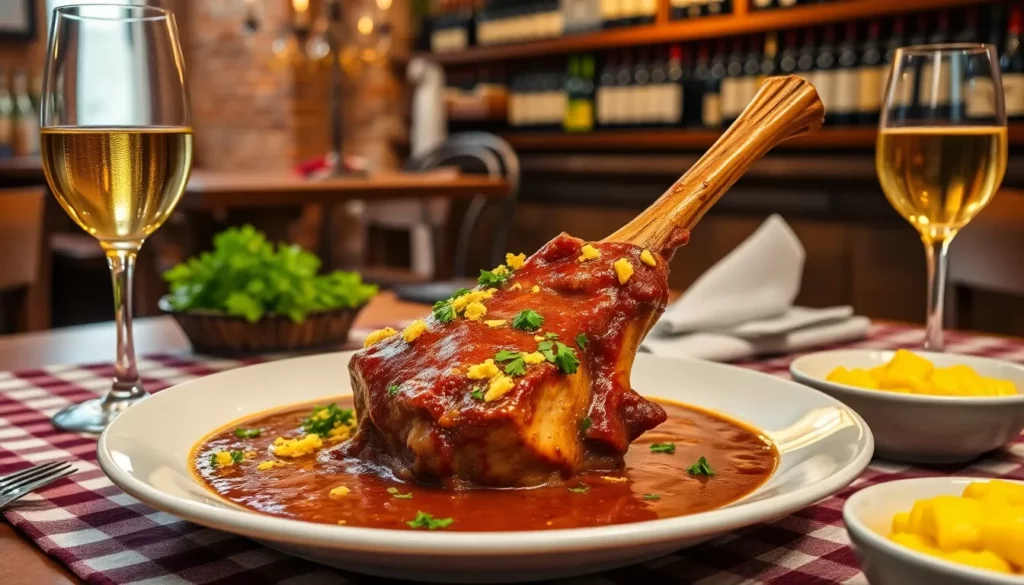
Vitello is defined by the cut and the cooking method. Common cuts include fesa (top round) for scaloppine, ossobuco (shank cross-cut with marrow bone), costoletta (rib chop), and arista (loin roast). Preparation nuances vary: scaloppine are pounded thin, dredged in flour, and sautéed in butter with lemon, wine, or sage; ossobuco is braised slowly in broth, white wine, and tomatoes until the meat falls off the bone. Unlike similar-sounding Italian dishes such as vitello alla milanese (breaded and fried veal chop) or vitello tonnato (cold poached veal with sauce), the key differentiator is the use of young veal rather than mature beef. Authentic recipes call for milk-fed veal (vitello di latte) for the mildest flavor.
Regional Variations
Veal dishes differ markedly across Italy, reflecting local ingredients and traditions. Below is a comparison of three major regions:
| Region | Signature Dish | Key Characteristics |
|---|---|---|
| Lombardy | Ossobuco alla Milanese | Braised veal shank with gremolata (lemon, garlic, parsley); often served with saffron risotto. Uses the marrow bone as a flavor base. |
| Piedmont | Vitello Tonnato | Cold poached veal sliced thin, topped with a creamy sauce of tuna, capers, anchovies, and olive oil. A summer classic, often served as an antipasto. |
| Emilia-Romagna | Cotoletta alla Bolognese | Breaded veal cutlet topped with Parmesan and prosciutto, then baked or fried. Heavier than the Milanese version, with a rich, savory crust. |
Other notable variations include Saltimbocca alla Romana (veal with prosciutto and sage in white wine) from Lazio, and Spezzatino di Vitello (veal stew with peas) from Tuscany.
How It’s Traditionally Eaten
In a classic Italian meal, veal dishes typically appear as a secondo (main course), following the primo (pasta or risotto) and before contorni (vegetable sides). For example, Ossobuco is often paired with risotto alla milanese, while Vitello Tonnato is served as an antipasto or light lunch. Veal scaloppine are usually accompanied by a simple salad or sautéed spinach. Occasions range from everyday family dinners (scaloppine) to festive holiday tables (costoletta alla milanese for Easter). Wine pairings are regional: a Nebbiolo from Piedmont complements Vitello Tonnato, while a Franciacorta sparkling wine lifts the richness of Ossobuco.
Common Mistakes / What It’s Not
A frequent misconception, especially in American-Italian contexts, is that “veal parmesan” (breaded veal cutlet with tomato sauce and mozzarella) is an authentic Italian dish. In reality, Cotoletta alla Milanese is simply a breaded veal chop without sauce or cheese; the heavy, saucy version is an Italian-American invention. Another mistake is overcooking: veal should be cooked to medium (pink interior) for scaloppine, not well-done, to preserve tenderness. Additionally, many confuse vitello with manzo (beef); true vitello comes from calves under eight months old, yielding a lighter color and finer grain. Finally, “vitella” is not a separate dish but the feminine form of the animal; both terms are used interchangeably in recipes, though “vitello” is more common in modern menus.
Where to Try It / What to Order
For an authentic experience, visit the regions where these dishes originated. In Milan, try Ristorante Cracco for Ossobuco; in Turin, Trattoria del Cambio for Vitello Tonnato; in Bologna, Osteria dell’Orsa for Cotoletta alla Bolognese. Travelers should order “vitello” on menus and specify the cut or preparation. During the annual Sagra del Vitello in the town of Carpi (Emilia-Romagna), local producers showcase milk-fed veal in various preparations. For home cooking, seek out “vitello di latte” from Italian butchers or specialty markets.
Related Dishes
- Ossobuco alla Milanese
- Vitello Tonnato
- Saltimbocca alla Romana
- Cotoletta alla Milanese
- Spezzatino di Vitello
FAQ
What is the difference between vitella and vitello?
Vitella refers to a female calf, while vitello refers to a male calf. In culinary contexts, both terms are used interchangeably for veal, though vitello is more common on menus.
Is veal the same as beef?
No. Veal comes from young calves (under 8 months), while beef comes from older cattle. Veal is paler, more tender, and has a milder flavor.
What is the most traditional veal dish in Italy?
There is no single dish, but Ossobuco alla Milanese from Lombardy and Vitello Tonnato from Piedmont are among the most iconic.
Can I substitute beef for veal in Italian recipes?
You can, but the texture and flavor will differ. Beef is tougher and stronger, so adjust cooking times and seasoning. For scaloppine, use chicken or pork as a closer substitute.
Is veal consumption ethical?
Modern Italian regulations require calves to have access to solid food and space to move, improving welfare. Look for labels like 'vitello di latte' from certified farms.


Leave a Reply