
Short Answer
What Is Vongole? Italian Seafood Dish Explained
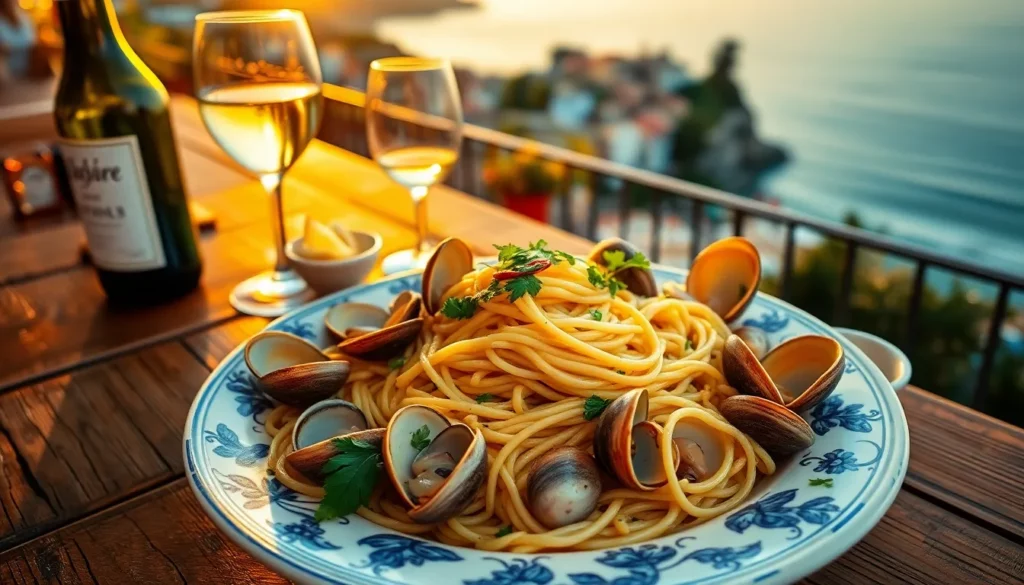
Vongole (pronounced VON-go-leh) is the Italian term for clams, but in culinary contexts it almost always refers to the iconic dish Spaghetti alle Vongole—spaghetti with clams. This simple yet elegant preparation originates from the coastal regions of southern Italy, particularly Campania and the Amalfi Coast. The dish relies on just a handful of fresh ingredients: small clams (vongole veraci), extra-virgin olive oil, garlic, white wine, fresh parsley, and sometimes a pinch of chili flakes. The clams are steamed open in a fragrant broth that is then tossed with al dente spaghetti, creating a briny, garlicky sauce that captures the essence of the Mediterranean. Unlike many American-Italian interpretations, authentic Vongole is never served with cream, cheese, or heavy tomato sauce.
Origin & History
The history of Vongole is deeply tied to the fishing traditions of the Tyrrhenian Sea. While clams have been harvested along the Italian coast since ancient Roman times, the specific dish of spaghetti with clams emerged in the 19th century, when pasta became a staple of the Neapolitan diet. The earliest documented recipe appears in Ippolito Cavalcanti’s 1837 cookbook Cucina Teorico-Pratica, which describes a simple preparation of pasta with clams, oil, and garlic. However, the dish likely existed in oral tradition long before. A popular myth claims that the dish was invented by a Neapolitan fisherman who, returning home with a meager catch of clams, combined them with pasta to feed his family. While charming, this story is apocryphal; the true evolution was a gradual fusion of local seafood and pasta, driven by the affordability of clams and the abundance of durum wheat in the region. By the early 20th century, Spaghetti alle Vongole had become a symbol of Neapolitan coastal cuisine, and it remains a staple in trattorias from Positano to Rome.
What’s In It
The core ingredients of authentic Vongole are minimal and must be of the highest quality. The clams themselves are typically vongole veraci (true clams, Ruditapes decussatus or Venerupis decussata), small, sweet, and tender. Other key components include:
- Spaghetti – The preferred pasta shape; its thin, round strands allow the clam broth to cling evenly.
- Extra-virgin olive oil – A fruity, high-quality oil for sautéing garlic and finishing the dish.
- Garlic – Sliced or minced, used to infuse the oil.
- Dry white wine – Such as Vermentino or Greco di Tufo, to deglaze and add acidity.
- Fresh parsley – Chopped, for freshness and color.
- Red chili flakes (peperoncino) – Optional, for a gentle heat.
- Salt and pepper – Used sparingly, as the clams provide natural brine.
Preparation nuances are critical: the clams must be purged of sand in salted water for at least an hour, then cooked in a covered pan until they open. The pasta is cooked al dente and finished in the clam broth to absorb flavor. The dish is never served with grated cheese (Parmigiano or Pecorino), as the cheese would overpower the delicate seafood taste. This distinguishes Vongole from similar dishes like Spaghetti alle Cozze (mussels) or Linguine allo Scoglio (mixed seafood), which may include tomato or additional shellfish.
Regional Variations
While the basic formula remains constant, Vongole varies significantly across Italy. The table below highlights the three most prominent regional styles:
| Region | Key Characteristics | Pasta Type | Additional Ingredients |
|---|---|---|---|
| Campania (Naples) | The original version; uses only vongole veraci, garlic, oil, white wine, and parsley. No tomato. Often includes a touch of peperoncino. | Spaghetti (or vermicelli) | None (or minimal chili) |
| Lazio (Rome) | Similar to Neapolitan but sometimes adds a splash of tomato passata or cherry tomatoes for color and sweetness. The clams are often larger (vongole lupini). | Spaghetti or linguine | Small amount of tomato, sometimes anchovy |
| Sicily | Known as Spaghetti ai Ricci di Mare when using sea urchin, but for clams, Sicilians often incorporate breadcrumbs (toasted) for texture, and may use a mix of clams and other shellfish. The dish is typically in bianco (white) but can include a light tomato sauce. | Spaghetti or bucatini | Breadcrumbs, capers, olives (in some versions) |
Other regional touches include the use of vongole gialle (yellow clams) in the Adriatic, or the addition of fresh mint in some coastal towns. The key takeaway: the dish is always about the clams, not the sauce.
How It’s Traditionally Eaten
In Italian dining, Vongole is served as a primo piatto (first course), typically after an antipasto and before a secondo of fish or meat. It is a weekday staple in coastal homes and a beloved choice in trattorias for lunch or dinner. The dish is almost always accompanied by a crisp, dry white wine such as Vermentino, Falanghina, or a young Gavi. Bread is used to fare la scarpetta—sopping up the remaining broth from the plate. Vongole is rarely served on holidays; it is an everyday celebration of the sea. When eating, Italians use a fork and spoon to twirl the spaghetti, and the empty clam shells are left on the plate as a sign of authenticity.
Common Mistakes / What It’s Not
Many American-Italian adaptations have strayed far from the original. Here are the most frequent misconceptions:
- It is not a creamy dish. Authentic Vongole has no cream, butter, or milk. The sauce is a light emulsion of olive oil, wine, and clam juice.
- It is not a cheese pasta. Never add Parmesan, Pecorino, or any cheese. The briny clams and olive oil are the only flavorings needed.
- It is not a tomato-heavy sauce. While some Roman versions use a touch of tomato, the Neapolitan original is in bianco (white). A thick, red marinara-style sauce is a corruption.
- It is not made with frozen or canned clams. Fresh, live clams are essential for the authentic broth and texture.
- It is not a second course. Vongole is a pasta course, not a main dish of clams alone. The clams are the seasoning, not the centerpiece.
Corrective guidance: To experience true Vongole, seek out restaurants that list Spaghetti alle Vongole Veraci on the menu, and avoid any version that includes cream, cheese, or a thick red sauce.
Where to Try It / What to Order
For the most authentic experience, head to the coastal regions of Campania, especially Naples, Sorrento, and the Amalfi Coast. Trattorias like Da Gemma in Sorrento or Trattoria da Nennella in Naples serve classic versions. In Rome, try Armando al Pantheon or Da Enzo al 29 for the Roman-style with a hint of tomato. In Sicily, look for Osteria dei Vespri in Palermo. When ordering, specify Spaghetti alle Vongole Veraci to ensure you get the small, sweet clams. Ask for it in bianco (without tomato) if you want the purest form. The dish is typically priced between €12–€20 depending on the location. Avoid tourist traps that offer “clam pasta” with frozen seafood; instead, look for places where the clams are displayed fresh on ice.
Related Dishes
- Spaghetti alle Cozze
- Linguine allo Scoglio
- Frittura di Paranza
- Zuppa di Pesce
- Spaghetti ai Ricci di Mare
FAQ
What is the difference between Vongole and other clam dishes?
Vongole specifically refers to the Italian preparation of small clams (vongole veraci) with pasta, typically spaghetti. Unlike American clam chowder or clam linguine with cream, authentic Vongole is a light, white wine and olive oil-based dish without cheese or heavy sauce.
Can I use any type of clams for Spaghetti alle Vongole?
For the most authentic result, use vongole veraci (small, sweet clams). Manila clams or littlenecks can be substituted, but avoid large chowder clams as they are too tough. Always use fresh, live clams.
Why is cheese never added to Vongole?
Italian culinary tradition holds that cheese overpowers the delicate flavor of seafood. The brininess of the clams and the fruity olive oil are the primary seasonings, and cheese would mask the subtle taste of the sea.
Is Vongole a pasta dish or a seafood dish?
It is a pasta dish (primo piatto) where the clams serve as the flavoring and sauce component. The clams are not the main protein but rather an integral part of the pasta course.
What wine pairs best with Spaghetti alle Vongole?
A crisp, dry white wine with good acidity, such as Vermentino, Falanghina, Greco di Tufo, or a young Gavi. Avoid oaked or sweet wines.


Leave a Reply