
Short Answer
What Is Porro? Italian Vegetable Dish Explained
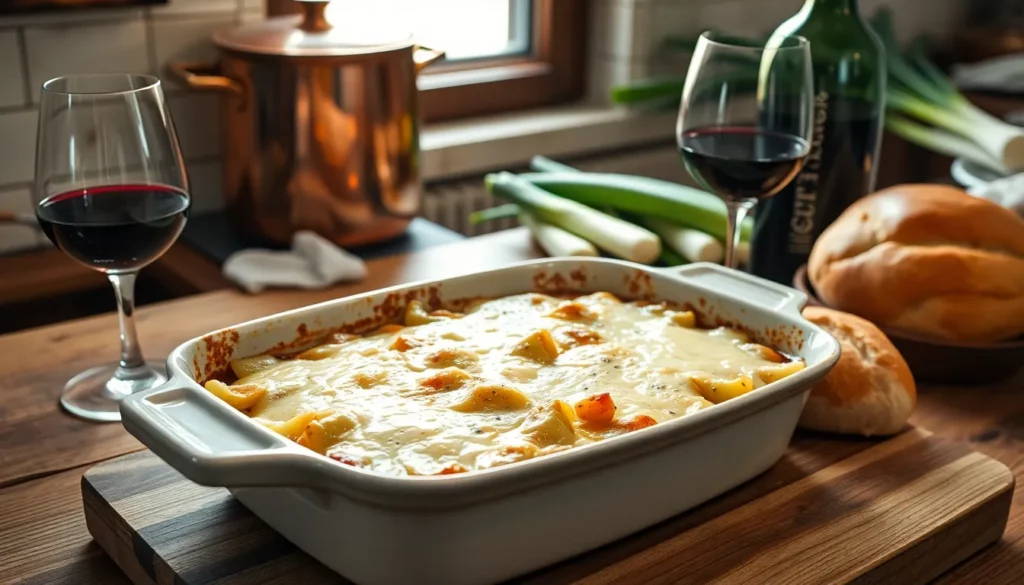
Porro is a traditional Italian dish centered on the leek (Allium porrum), known in Italian as porro. It is most commonly prepared by braising or gratinéing the white and light green parts of the leek until tender, often with butter, olive oil, broth, and sometimes cheese or cream. Originating in the northern regions of Italy—particularly Lombardy, Piedmont, and Veneto—Porro is a classic contorno (side dish) that highlights the sweet, mild flavor of leeks. Key ingredients include fresh leeks, extra-virgin olive oil, butter, salt, and pepper; variations may add Parmigiano-Reggiano, béchamel, or nutmeg.
Origin & History
The leek has been cultivated in the Mediterranean since ancient times, prized by the Romans and later adopted by Italian cooks. The dish known simply as Porro emerged in the rural kitchens of Northern Italy during the Middle Ages, when leeks were a hardy winter vegetable that could be stored and used in hearty preparations. Unlike the more famous porri gratinati (gratinéed leeks) that became popular in the 19th century, the basic braised Porro was a peasant staple, often cooked in a pignatta (earthenware pot) with lard or butter. Historical cookbooks from the Renaissance, such as Bartolomeo Scappi’s Opera (1570), mention leeks in soups and stews, but the standalone dish of Porro as a contorno solidified in the 18th and 19th centuries with the rise of bourgeois cuisine in cities like Milan and Turin. A unique anecdote: in the Piedmontese tradition, Porro was sometimes served with a splash of Bagna Càuda (hot garlic-anchovy dip) as a winter warmer.
What’s In It
The core ingredients of Porro are simple: fresh leeks, fat (butter or olive oil), and a cooking liquid (water, broth, or wine). The leeks are trimmed, split lengthwise, washed thoroughly to remove grit, and then cut into segments or left whole. They are gently cooked covered until soft, then often uncovered to allow any liquid to reduce. Some versions add a pinch of nutmeg or a dusting of Parmigiano-Reggiano before serving. The dish is distinct from porri in insalata (raw leek salad) or porri fritti (fried leeks) because of its slow, moist cooking method. It is also different from the French poireaux vinaigrette, which is boiled and served cold with vinaigrette; Italian Porro is almost always served warm or at room temperature as a side.

Regional Variations
While the basic technique is consistent, Porro takes on local character across Italy:
- Lombardy: Leeks are braised in butter and broth, then topped with grated Grana Padano and briefly gratinéed. Often served alongside ossobuco or risotto alla milanese.
- Piedmont: The leeks are cooked in a mixture of butter and olive oil with a splash of white wine, then finished with a drizzle of Bagna Càuda for a pungent kick. Sometimes served as an antipasto.
- Veneto: Leeks are braised in vegetable broth and then pureed into a creamy soup-like consistency, called crema di porri, often enriched with potatoes and served as a primo.
- Tuscany: A rustic version where leeks are cooked in a soffritto of garlic and anchovies, then simmered with tomatoes and white beans, blurring the line between contorno and zuppa.
| Region | Key Ingredient | Cooking Method | Serving Style |
|---|---|---|---|
| Lombardy | Butter, Grana Padano | Braise then gratin | Contorno |
| Piedmont | Bagna Càuda, white wine | Braise with dip | Antipasto or contorno |
| Veneto | Potatoes, broth | Braise then puree | Primo (crema) |
| Tuscany | Anchovies, tomatoes, beans | Simmered | Zuppa or contorno |
How It’s Traditionally Eaten
Porro is most often served as a contorno (side dish) alongside roasted meats, braised beef, or fish. In Lombardy, it accompanies ossobuco or cotoletta alla milanese; in Piedmont, it may appear as part of a bollito misto platter. The dish is also eaten as a primo when turned into a creamy soup (crema di porri) in Veneto. Porro is considered everyday fare, though the gratinéed version is often reserved for Sunday lunches or holiday buffets. It pairs well with medium-bodied red wines like Barbera or a crisp white like Gavi. Traditionally, it is eaten with a fork, and the soft leeks are often mopped up with crusty bread.
Common Mistakes / What It’s Not
A frequent misconception among American-Italian diners is that Porro is a type of pasta or a pizza topping. In reality, Porro is purely a vegetable dish. Another mistake is confusing it with porchetta (roast pork) due to the similar-sounding name. Porro is also not the same as porri fritti (deep-fried leek rings) or porri in pastella (battered leeks). To avoid errors, always look for the word porro on Italian menus under contorni or verdure. When cooking at home, ensure leeks are thoroughly washed to remove sand; skipping this step ruins the texture. Also, do not overcook leeks to the point of mush—they should be tender but still hold their shape.
Where to Try It / What to Order
For an authentic Porro experience, visit traditional trattorie in Lombardy and Piedmont. In Milan, try Trattoria del Nuovo Macello for a classic gratinéed Porro. In Turin, Porta di Po offers a Piedmontese version with Bagna Càuda. In Venice, seek out Osteria alle Testiere for a delicate crema di porri. If traveling during autumn, the Sagra del Porro in Cerignola (Puglia) celebrates leeks with local variations. When ordering, ask for porri gratinati or porri in umido; if you want the soup, request crema di porri. Avoid tourist traps that serve frozen or pre-cooked versions.
Related Dishes
FAQ
What is Porro in Italian cuisine?
Porro is the Italian word for leek, and also refers to a traditional dish of braised or gratinéed leeks, typically served as a contorno (side dish) in Northern Italy.
How is Porro different from porchetta?
Porro is a vegetable dish made from leeks, while porchetta is a savory roast pork dish. They sound similar but are completely different in ingredients and preparation.
Can Porro be served as a main course?
Traditionally, Porro is a side dish, but when turned into a creamy soup (crema di porri) it can be served as a primo (first course). It is rarely a main course on its own.
What wine pairs best with Porro?
A medium-bodied red like Barbera or a crisp white like Gavi complements the sweet, buttery flavor of braised leeks.
Is Porro gluten-free?
Yes, the basic braised Porro is naturally gluten-free. However, gratinéed versions may contain breadcrumbs or flour in the béchamel, so check with the chef.



Leave a Reply