
Short Answer
What Is Triglia? Italian Seafood Dish Explained
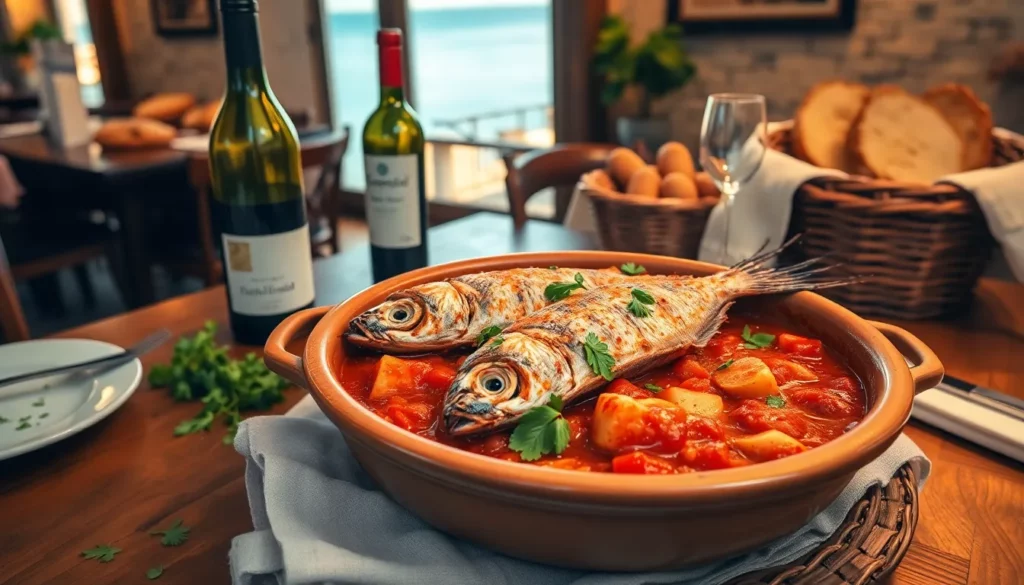
Triglia is the Italian name for the red mullet (Mullus barbatus and Mullus surmuletus), a small, bottom-dwelling fish found throughout the Mediterranean Sea. In Italian cuisine, triglia refers both to the fish itself and to the many dishes prepared with it. The fish is prized for its firm, white, flaky flesh and a subtle, sweet flavor that is often compared to that of shrimp or lobster. Key ingredients in triglia preparations include extra-virgin olive oil, garlic, cherry tomatoes, white wine, capers, olives, and fresh herbs such as parsley and basil. The most iconic preparation is triglia alla livornese, a simple yet flavorful stew from Livorno, Tuscany, where the fish is cooked in a tomato-based sauce with garlic and parsley.
Origin & History
Red mullet has been a part of Mediterranean cuisine since ancient Roman times. The Romans prized the fish for its delicate flavor and even kept them in captivity to ensure freshness. In Italy, triglia has a long history in coastal regions, particularly in Tuscany, Liguria, Campania, and Sicily. The dish triglia alla livornese emerged in the port city of Livorno during the 19th century, when local fishermen would cook the day’s catch with simple, readily available ingredients. Unlike some myths, triglia is not a modern invention; it is deeply rooted in the cucina povera tradition, where humble ingredients are transformed into exquisite meals. Anecdotes from Livorno tell of fishermen preparing the fish directly on the boat, using seawater and a few tomatoes. Today, triglia remains a symbol of authentic Italian coastal cooking.
What’s In It
The core ingredients for a classic triglia dish are minimal, reflecting the Italian philosophy of letting the fish shine. For triglia alla livornese, you need:

- Fresh red mullet (whole or filleted)
- Extra-virgin olive oil
- Garlic cloves
- San Marzano tomatoes (or fresh cherry tomatoes)
- Dry white wine
- Fresh parsley
- Salt and black pepper
Preparation nuances: The fish is often scored on the sides to allow the sauce to penetrate. The garlic is gently sautéed in olive oil until golden, then tomatoes are added and cooked down. The fish is placed in the sauce, white wine is added, and everything simmers for about 10 minutes. The dish is finished with fresh parsley. It is important not to overcook the fish, as it becomes dry. Triglia is distinct from similar-sounding Italian dishes like triglie fritte (fried red mullet) or triglie in guazzetto (in a light broth). The key difference is the tomato-based sauce that defines alla livornese.
Regional Variations
While triglia alla livornese is the most famous, other regions have their own interpretations:
| Region | Dish Name | Key Characteristics |
|---|---|---|
| Tuscany (Livorno) | Triglia alla Livornese | Tomato sauce, garlic, parsley, white wine; simple and rustic. |
| Veneto (Venice) | Triglia alla Veneziana | Cooked with onions, vinegar, and pine nuts; sweet-and-sour flavor. |
| Sicily | Triglia alla Siciliana | Baked with breadcrumbs, capers, olives, and oregano; often stuffed. |
| Liguria | Triglia in Saor | Marinated in vinegar, onions, and raisins; served cold as an antipasto. |
| Campania (Naples) | Triglia all’Acqua Pazza | Poached in “crazy water” (acqua pazza) with cherry tomatoes, garlic, and chili. |
Each variation highlights local ingredients and historical influences, from Venetian trade spices to Sicilian Arab heritage.
How It’s Traditionally Eaten
In Italian dining, triglia is typically served as a secondo (main course) after a pasta or risotto primo. It is often accompanied by a contorno of sautéed spinach, roasted potatoes, or a simple green salad. A glass of crisp white wine, such as Vermentino or Soave, pairs beautifully. Triglia is an everyday dish in coastal towns, but it also appears on holiday tables, especially during the Feast of the Assumption (Ferragosto) when seafood is traditional. In Livorno, it is a staple of Sunday family lunches. The fish is eaten with a fork and knife, and the bones are carefully removed. Some Italians enjoy the roe (bottarga) of red mullet as a delicacy.
Common Mistakes / What It’s Not
A frequent misconception, especially in American-Italian contexts, is that triglia is a type of pasta or a heavy, cheese-laden dish. Triglia is not a pasta dish; it is a fish preparation. Another mistake is confusing it with branzino (European sea bass) or orata (gilt-head bream), which have different textures and flavors. Some cooks mistakenly use frozen or farmed red mullet, which lacks the delicate taste of wild-caught Mediterranean fish. Additionally, triglia alla livornese should not be thickened with flour or served with heavy sauces; the beauty lies in its lightness. Finally, avoid overcooking: triglia cooks quickly and becomes dry if left too long on the heat.
Where to Try It / What to Order
For an authentic experience, head to Livorno’s historic Trattoria da Caino or Ristorante La Barcarola, where triglia alla livornese is a house specialty. In Venice, try Osteria alle Testiere for triglia alla veneziana. In Sicily, visit Trattoria da Nino in Palermo for baked triglia. Travelers should order triglia fresca (fresh red mullet) and ask for the local preparation. During summer, many coastal towns hold sagre (food festivals) dedicated to triglia, such as the Sagra della Triglia in Portoferraio (Elba). When ordering, specify “triglia alla livornese” or “triglia all’acqua pazza” to get the classic versions.
Related Dishes
- Branzino (European Sea Bass)
- Orata (Gilt-Head Bream)
- Pesce Spada (Swordfish)
- Fritto Misto di Mare
- Bottarga (Cured Fish Roe)
FAQ
What is Triglia in Italian cuisine?
Triglia is the Italian word for red mullet, a small Mediterranean fish. It also refers to dishes prepared with this fish, most famously Triglia alla Livornese.
How is Triglia different from Branzino?
Triglia (red mullet) has a firmer, sweeter flesh and a more delicate flavor compared to branzino (European sea bass), which is milder and flakier. They are prepared differently.
Can I substitute another fish for Triglia?
While red mullet is unique, you can substitute with other firm white fish like sea bream or small snapper, but the flavor will differ. For authenticity, seek fresh Mediterranean red mullet.
Is Triglia served with pasta?
No, triglia is typically a secondo (main course) and is not served with pasta. It is accompanied by vegetables or salad.
What wine goes with Triglia?
A crisp, dry white wine such as Vermentino, Soave, or a Greco di Tufo pairs perfectly with the delicate flavors of triglia.

Leave a Reply