
Short Answer
What It Is
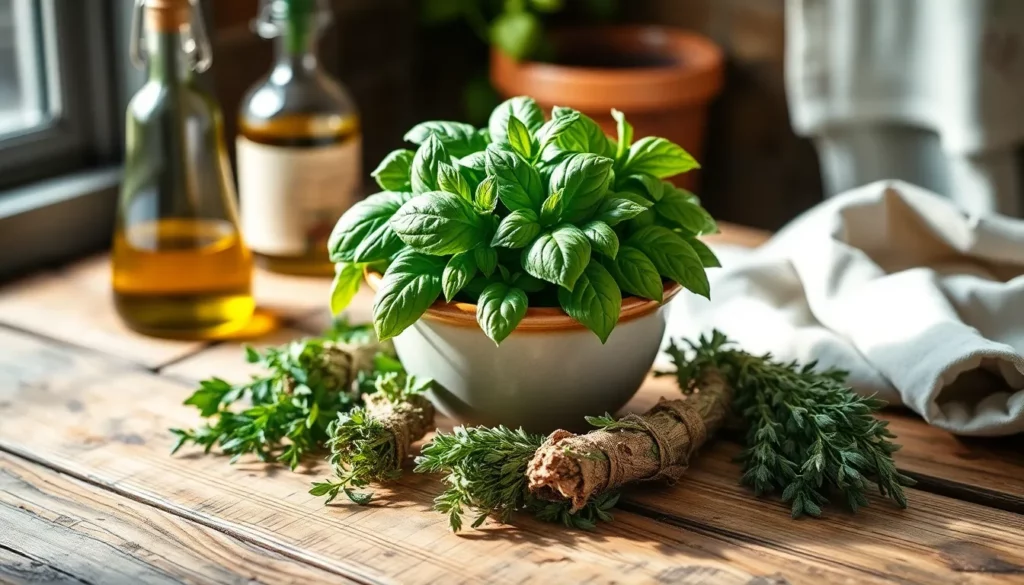
Aromi (singular: aroma) is the Italian term for aromatic herbs and spices that form the foundation of the country’s culinary identity. Unlike generic dried herbs, authentic Italian aromi are produced under strict geographical indications (DOP – Denominazione di Origine Protetta, and PGI – Indicazione Geografica Protetta) that guarantee origin, traditional production methods, and sensory quality. The most celebrated aromi include Basilico Genovese DOP (Liguria), Rosmarino di Roma PGI (Lazio), Origano di Pantelleria PGI (Sicily), and Salvia di Montefeltro DOP (Marche). These herbs are typically sun-dried or air-dried in controlled conditions to preserve volatile oils, then sorted by hand. Production regions are defined by microclimates and soil composition that impart unique aromatic profiles—for instance, the high-altitude sun of Pantelleria yields oregano with intense thymol notes, while the coastal breezes of Liguria produce sweet, clove-like basil.
“Without aromi, Italian cuisine would be a silent symphony. They are the voice of the land.” – Ada Boni, Italian Regional Cooking (1930)
Types & Grades
Italian aromi are classified by plant species, harvest timing, and processing method. Below is a table of the most common DOP/PGI varieties and their quality grades.
| Herb | DOP/PGI Status | Grade | Characteristics |
|---|---|---|---|
| Basilico Genovese | DOP | Extra (foglie intere) | Large, tender leaves; sweet, clove-like aroma; low eucalyptol |
| Origano di Pantelleria | PGI | Primo (foglie e fiori) | Small leaves with flowers; intense, peppery, slightly bitter |
| Rosmarino di Roma | PGI | Selezionato (rametti) | Needle-like leaves; resinous, piney, with lemon undertones |
| Salvia di Montefeltro | DOP | Superiore (foglie intere) | Velvety, silver-green leaves; camphoraceous, earthy |
| Timo di Sardegna | PGI | Fino (foglie e fiori) | Tiny leaves; floral, thyme with wild herb notes |
Grades are determined by leaf size, absence of stems, and essential oil content. “Extra” or “Superiore” grades contain only whole leaves, while standard grades may include broken leaves and stems. For professional kitchens, whole-leaf aromi are preferred for infusion and garnish; ground forms are used in dry rubs and blends.

How It’s Used in Cooking
Italian chefs treat aromi as building blocks, not afterthoughts. They are used in three primary ways:
- Infusion in oil or fat – Basilico Genovese is gently heated in extra-virgin olive oil to create olio al basilico, a base for pesto or drizzling. Rosmarino di Roma is fried in butter or lard to perfume roasted potatoes and meats.
- Dry seasoning – Origano di Pantelleria is sprinkled over pizza Margherita after baking, never before, to preserve its volatile oils. Salvia di Montefeltro is rubbed into pork roasts or used in saltimbocca.
- Infusion in liquids – Thyme and rosemary sprigs are simmered in broths for minestrone or ossobuco. Basil leaves are torn into tomato sauces at the last minute.
Signature dishes that rely on specific aromi include Pesto alla Genovese (Basilico Genovese DOP), Pizza Margherita (Origano di Pantelleria PGI), Saltimbocca alla Romana (Salvia di Montefeltro DOP), and Agnello al Forno (Rosmarino di Roma PGI).
How to Choose/Identify Authentic Aromi
When purchasing aromi, look for these authenticity cues:
- Certification logos – The red-and-yellow DOP or blue-and-yellow PGI seal on the packaging. For example, Basilico Genovese DOP must display the EU organic leaf logo and the consortium’s mark.
- Origin labeling – Authentic aromi state the specific region (e.g., “Prodotto a Pantelleria”) and the producer’s name. Avoid generic “Italian blend” without provenance.
- Appearance – Whole leaves should be intact, not crushed. Color should be vibrant green (basil), gray-green (sage), or deep green (rosemary). Dull, brownish herbs indicate age or improper drying.
- Aroma – Rub a leaf between your fingers. Authentic aromi release a powerful, complex scent that lingers. If it smells like hay or dust, it’s old or adulterated.
- Harvest year – Reputable producers print the harvest year. Use within 12 months for peak flavor.
For commercial buyers, request a certificate of analysis showing essential oil content (e.g., basil should have ≥0.5% linalool). Avoid pre-ground aromi unless from a trusted source, as they lose potency quickly.
Substitutes
If a specific DOP/PGI aroma is unavailable, Italian cooks turn to these authentic substitutes:
- Basilico Genovese DOP → Basilico Napoletano (a local variety with larger, milder leaves) or Basilico Greco (smaller, spicier). Both lack the clove note but work in pesto.
- Origano di Pantelleria PGI → Origano Siciliano (from other parts of Sicily, still intense) or Origano di montagna (wild oregano from the Apennines, more bitter).
- Rosmarino di Roma PGI → Rosmarino di Sardegna (more resinous) or Rosmarino di Liguria (softer, sweeter).
- Salvia di Montefeltro DOP → Salvia di Toscana (larger leaves, milder) or Salvia di Sicilia (more camphoraceous).
These substitutes maintain regional authenticity while offering a different nuance. Avoid non-Italian herbs like Mexican oregano or Thai basil, which have entirely different flavor profiles.
Conclusion
Aromi are far more than simple herbs—they are the distilled essence of Italy’s terroir, protected by centuries of tradition and modern certification. Whether you’re a professional chef or a home cook, choosing authentic DOP/PGI aromi elevates every dish with complexity and a direct connection to the land. By understanding their types, grades, and proper use, you can bring the true taste of Italy to your kitchen.
FAQ
What does 'Aromi' mean in Italian cooking?
Aromi is the plural of 'aroma' and refers to aromatic herbs and spices used to flavor dishes. In a culinary context, it specifically denotes fresh or dried herbs like basil, oregano, rosemary, and sage, often with geographical certifications.
How can I tell if my dried oregano is authentic Origano di Pantelleria PGI?
Look for the PGI logo on the package, a clear indication of origin from Pantelleria island. Authentic oregano will have small leaves mixed with flowers, an intense peppery aroma, and a slightly bitter finish. The label should state 'Origano di Pantelleria IGP' and include the producer's name and harvest year.
Can I substitute dried basil for fresh Basilico Genovese DOP in pesto?
No, traditional Pesto alla Genovese requires fresh Basilico Genovese DOP leaves. Dried basil lacks the essential oils and texture needed for the emulsion. If fresh DOP basil is unavailable, use fresh sweet basil from a trusted source, but the flavor will be less complex.
Leave a Reply