
Short Answer
What It Is
BIETOLA is the Italian term for Swiss chard (Beta vulgaris subsp. vulgaris), a leafy green vegetable that has been cultivated in the Mediterranean for centuries. In the context of Italian culinary heritage, the term most notably refers to the PGI (Protected Geographical Indication) product Bietola di Chioggia, a variety grown in the coastal area of Chioggia, in the Veneto region. This designation, granted by the European Union in 2011, ensures that the chard is produced, processed, and prepared according to traditional methods within the defined geographical area.
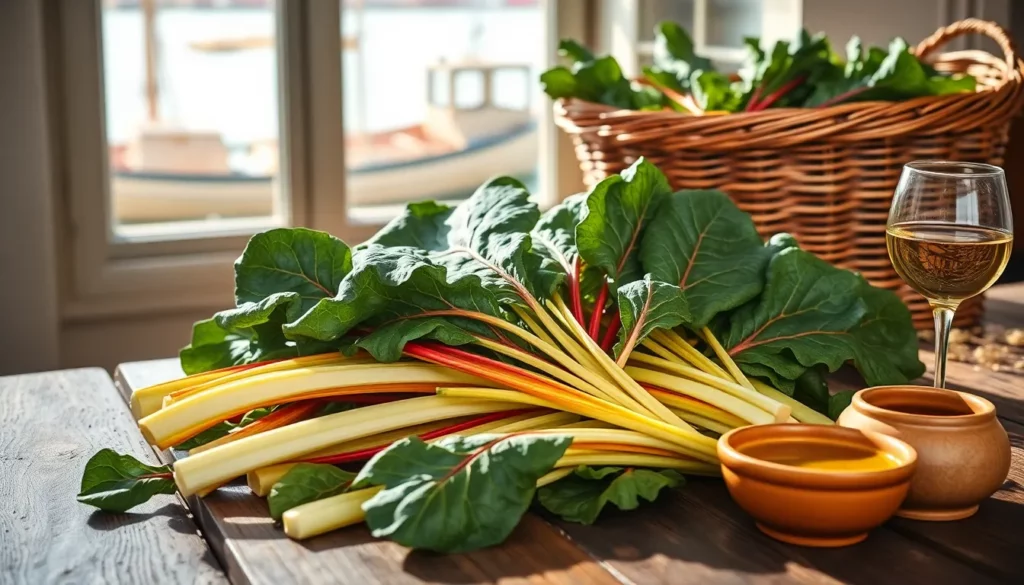
The history of BIETOLA in Chioggia dates back to the 16th century, when the fertile soils of the Venetian lagoon, enriched by alluvial deposits and a mild maritime climate, proved ideal for cultivating this robust vegetable. Local farmers developed a unique strain characterized by large, dark green leaves and thick, succulent stalks that can be white, red, or yellow. The production method remains artisanal: seeds are sown in late summer, and the plants are harvested by hand from autumn through spring, ensuring minimal damage to the leaves and stalks. The PGI certification mandates that the chard must be grown within the municipalities of Chioggia, Rosolina, and parts of Cavarzere, and that it be sold fresh, with the leaves still attached, within 48 hours of harvest.
BIETOLA is not only a staple of Venetian cuisine but also a symbol of the region’s agricultural biodiversity. Its PGI status protects both the product and the traditional knowledge of local farmers, making it a prized ingredient for chefs and home cooks alike.

Types & Grades
While the term BIETOLA encompasses several varieties, the PGI Bietola di Chioggia is primarily defined by its stalk color and leaf size. The following table outlines the main types and their typical grades:
| Type | Stalk Color | Grade | Description | Typical Use |
|---|---|---|---|---|
| Bianca (White) | White | Prima (Grade A) | Large, broad leaves with thick, tender white stalks; the most common and traditional type. | Stuffed chard rolls (ripieni), baked pies (pasticcio), and as a side dish. |
| Rossa (Red) | Red | Seconda (Grade B) | Medium-sized leaves with vibrant red stalks; slightly more earthy flavor. | Sautéed with garlic and olive oil, added to minestrone, or used in risotto. |
| Gialla (Yellow) | Yellow | Terza (Grade C) | Smaller leaves with golden-yellow stalks; milder and sweeter. | Raw in salads, lightly steamed, or as a garnish. |
Grades are determined by leaf size and stalk thickness, with Prima being the most sought-after for its versatility. However, all grades are valued in Italian cooking, and the choice often depends on the dish. For example, Grade A leaves are ideal for wrapping fillings, while Grade C leaves are perfect for quick sautés.
How It’s Used in Cooking
BIETOLA is a cornerstone of traditional Italian cuisine, particularly in the Veneto region. Its robust leaves and tender stalks lend themselves to a variety of preparations, from simple contorni (side dishes) to elaborate primi piatti (first courses).
Traditional Applications
- Bietola Saltata: The most common preparation – the chard is blanched, then sautéed in extra-virgin olive oil with garlic and a pinch of red pepper flakes. This method highlights the natural sweetness of the stalks and the earthy flavor of the leaves.
- Ripieni di Bietola: Large leaves are blanched, then stuffed with a mixture of ricotta, Parmesan, breadcrumbs, and herbs. The rolls are baked in tomato sauce or butter and sage, a classic Venetian comfort dish.
- Pasticcio di Bietola: A savory pie made with a pastry crust filled with cooked chard, ricotta, eggs, and cheese. It is often served as a main course or picnic dish.
- Minestrone alla Veneta: BIETOLA is a key ingredient in this hearty vegetable soup, along with beans, potatoes, carrots, and celery. The chard adds depth and a silky texture.
- Pasta con Bietola: Trofie or orecchiette are tossed with a pesto made from blanched chard leaves, walnuts, garlic, and pecorino. Alternatively, the chard can be simply sautéed and mixed with pasta and ricotta salata.
“La bietola è l’oro verde di Chioggia” – “Chard is the green gold of Chioggia,” a local saying that reflects the vegetable’s economic and cultural importance.
In professional kitchens, BIETOLA is also used as a base for vegetable broths, as a bed for roasted fish, or as a colorful garnish. Its stalks can be pickled or used in tempura, while the leaves are excellent in frittatas and quiches.
How to Choose/Identify Authentic BIETOLA
For chefs, restaurateurs, and home cooks seeking the genuine PGI product, the following cues are essential:
- Look for the PGI Label: Authentic Bietola di Chioggia will bear the EU PGI logo and the words “Bietola di Chioggia” on the packaging or crate. This is the only guarantee of origin and traditional production.
- Check the Stalks and Leaves: The stalks should be thick, crisp, and unblemished, with a uniform color (white, red, or yellow). The leaves must be dark green, firm, and free from yellowing or wilting. The chard should be sold with the leaves attached, as the PGI specification requires.
- Ask for the Harvest Date: Freshness is paramount. Authentic BIETOLA is harvested and sold within 48 hours. The stems should snap cleanly, and the leaves should have a slight sheen.
- Source from Reputable Suppliers: In Italy, look for vendors from the Chioggia region or specialty greengrocers that carry PGI products. For international buyers, importers who work directly with Chioggia cooperatives are the best source.
- Avoid Generic Chard: While Swiss chard is widely available, generic chard may come from other regions or countries and lacks the specific terroir-driven qualities of Bietola di Chioggia. The PGI product has a more delicate texture and a sweeter, less bitter flavor.
For commercial buyers, establishing a direct relationship with a Chioggia producer or joining a purchasing group that focuses on PGI vegetables ensures authenticity and supports local agriculture.
Substitutes
When authentic BIETOLA is unavailable, several Italian leafy greens can serve as substitutes, each bringing its own character to a dish:
- Spinaci (Spinach): The closest substitute in terms of texture and cooking time. Use spinach in sautés, fillings, and soups, but note that spinach has a milder flavor and thinner leaves, so adjust seasoning accordingly.
- Erbette (Swiss Chard, non-PGI): This is essentially the same species but grown outside the Chioggia region. It may have thicker stalks and a slightly more bitter taste. It works well in all recipes, though the authenticity of the dish will be diminished.
- Catalogna (Chicory): A bitter green common in Puglia and Lazio. Its long, dandelion-like leaves are excellent in pasta dishes and as a sautéed side, but the bitterness is more pronounced. Use it when a robust flavor is desired, such as in orecchiette con cime di rapa (substituting the turnip tops).
- Cavolo Nero (Tuscan Kale): This dark, crinkly kale has a hearty texture and earthy flavor. It is ideal for soups (ribollita) and can be used in place of chard in baked dishes, though it requires longer cooking.
When substituting, consider the dish’s flavor profile. For delicate preparations like ripieni, spinach or erbette are best. For robust soups or pastas, catalogna or cavolo nero add complexity.
In conclusion, BIETOLA – particularly the PGI Bietola di Chioggia – is a vegetable of immense cultural and culinary value. Its unique terroir, traditional production, and versatility in the kitchen make it a treasure of Italian gastronomy. Whether you are a professional chef or an enthusiastic home cook, understanding and using authentic BIETOLA elevates your dishes and connects you to a centuries-old tradition.
FAQ
What is BIETOLA?
BIETOLA is the Italian name for Swiss chard, a leafy green vegetable. In a culinary context, it often refers specifically to the PGI-protected Bietola di Chioggia from the Veneto region, known for its thick, colorful stalks and large, dark green leaves.
How is Bietola di Chioggia different from regular Swiss chard?
Bietola di Chioggia is a PGI product, meaning it must be grown in the Chioggia area using traditional methods. It has a sweeter, less bitter flavor, more tender stalks, and is harvested and sold within 48 hours to ensure peak freshness. Regular Swiss chard may come from other regions and lacks the same terroir-driven qualities.
What are the best dishes to make with BIETOLA?
Traditional dishes include bietola saltata (sautéed with garlic and olive oil), ripieni (stuffed chard rolls), pasticcio di bietola (savory pie), minestrone alla veneta, and pasta with chard pesto. The stalks can also be pickled or used in tempura.

Leave a Reply