
Short Answer
What It Is
Bovolo is a traditional Italian cheese originating from the Veneto region, particularly the provinces of Vicenza, Verona, and Padua. It is a fresh, soft cheese made from whole cow’s milk, often enriched with cream to achieve a rich, buttery texture. The name “Bovolo” derives from the Italian word for “snail,” referencing the characteristic spiral shape formed during the curd-cutting process. While not a DOP (Denominazione di Origine Protetta) product, Bovolo is recognized as a Prodotto Agroalimentare Tradizionale (PAT) by the Italian Ministry of Agricultural Policies, ensuring its production follows traditional methods passed down through generations.
The production of Bovolo begins with the gentle heating of raw or pasteurized cow’s milk, to which calf rennet is added. The curd is cut into small, snail-like shapes and then left to drain in perforated molds. The cheese is typically consumed fresh, within a few days of production, but some varieties are aged for up to two months, developing a firmer texture and more pronounced flavor. The region’s rich pasturelands, with their diverse flora, contribute to the milk’s aromatic complexity, making Bovolo a true expression of Veneto’s terroir.
Types & Grades
Bovolo is classified primarily by its aging period, which influences texture, moisture content, and flavor intensity. The following table outlines the main grades:

| Grade | Aging Time | Texture | Flavor Profile |
|---|---|---|---|
| Bovolo Fresco | 0–7 days | Soft, creamy, spreadable | Mild, milky, slightly tangy |
| Bovolo Stagionato | 30–60 days | Semi-firm, crumbly | Nutty, savory, with herbaceous notes |
| Bovolo Affinato | 60+ days | Hard, granular | Intense, piquant, with hints of hay |
Additionally, some producers offer a smoked version (Bovolo Affumicato), where the cheese is cold-smoked over beechwood, imparting a delicate smoky aroma. The freshest grade is most common, often sold in small rounds or wrapped in leaves.
How It’s Used in Cooking
Bovolo’s versatility makes it a staple in Veneto’s home kitchens and professional restaurants. Its fresh, creamy form is ideal for spreading on crusty bread or polenta, often drizzled with honey or paired with fresh fruit. In traditional recipes, Bovolo Fresco is used in insalata di Bovolo, a simple salad with tomatoes, basil, and olive oil. The aged varieties are grated over pasta dishes like bigoli con le sarde or incorporated into risottos, adding depth and umami.
“Bovolo is the soul of our countryside—it carries the scent of the meadows and the warmth of the dairy.” — Traditional Veneto saying
Chefs also employ Bovolo in baked dishes: torta di Bovolo (a savory cheesecake with herbs) and gnocchi di Bovolo (potato gnocchi filled with the cheese). For a modern twist, Bovolo Stagionato is shaved over roasted vegetables or melted into fondue. The cheese pairs beautifully with light red wines like Bardolino or a crisp Soave.
How to Choose/Identify Authentic Bovolo
When purchasing Bovolo, look for the following authenticity cues:
- Labeling: Authentic Bovolo should bear the PAT logo or the words “Prodotto Agroalimentare Tradizionale” along with the producer’s name and region. Avoid products labeled simply as “fresh cheese” without provenance.
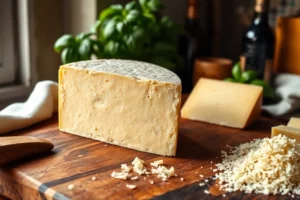
- Appearance: Fresh Bovolo is white to pale ivory, with a moist, slightly wrinkled rind. Aged versions develop a thin, natural rind with a golden hue. The spiral shape should be visible on the cut surface.
- Aroma: Fresh Bovolo smells of fresh milk and cream; aged Bovolo has a more complex, earthy scent. Any off-odors (ammonia, sourness) indicate poor quality.
- Texture: The cheese should feel supple and yield gently to pressure. Overly dry or rubbery textures suggest improper aging or storage.
- Source: Purchase from reputable Italian delis or directly from producers in Veneto. Online retailers specializing in Italian cheeses often provide detailed sourcing information.
For commercial buyers, request a certificate of authenticity or visit the producer’s facility to verify traditional methods.
Substitutes
If Bovolo is unavailable, several Italian cheeses can serve as substitutes, depending on the intended use:
- Robiola: A soft, creamy cheese from Piedmont, similar in texture to Bovolo Fresco. Use in spreads or salads.
- Caprino Fresco: Fresh goat cheese with a tangy flavor; works well in place of Bovolo Fresco, though it is less buttery.
- Piave Fresco: A cow’s milk cheese from Veneto with a mild, milky taste. Aged Piave can substitute for Bovolo Stagionato.
- Asiago Pressato: A young, soft Asiago that mimics the creaminess of Bovolo Fresco. Avoid aged Asiago, which is too hard.
For cooking, a mixture of fresh mozzarella and ricotta can approximate the texture of Bovolo in baked dishes, though the flavor will differ.
In summary, Bovolo is a cherished cheese that embodies the pastoral traditions of Veneto. Whether enjoyed fresh or aged, it offers a unique taste of Italian heritage. By understanding its production, grades, and authenticity markers, you can select the finest Bovolo and incorporate it into your culinary repertoire with confidence.
FAQ
What is Bovolo cheese?
Bovolo is a traditional fresh cheese from the Veneto region of Italy, made from whole cow's milk. It has a soft, creamy texture and a mild, milky flavor. It is recognized as a Prodotto Agroalimentare Tradizionale (PAT).
How is Bovolo made?
Bovolo is made by heating cow's milk, adding calf rennet, and cutting the curd into small spiral shapes. The curds are drained in molds and consumed fresh or aged for up to two months. The process follows traditional methods passed down in Veneto.
What does Bovolo taste like?
Fresh Bovolo has a mild, milky, and slightly tangy taste with a buttery texture. Aged Bovolo develops nutty, savory, and herbaceous notes, becoming more intense and piquant with longer aging.


Leave a Reply