
Short Answer
What It Is
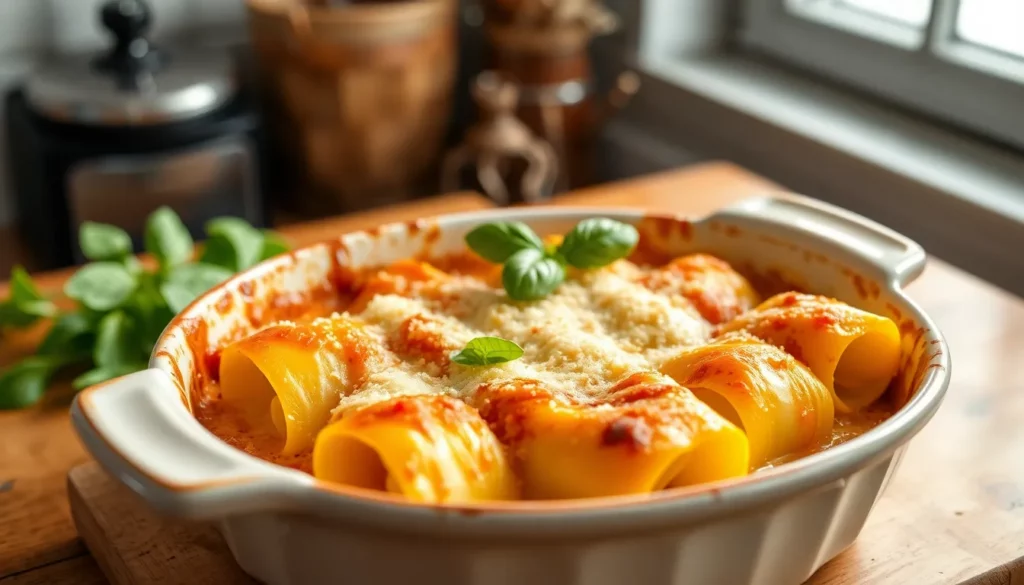
Cannelloni are large, cylindrical pasta tubes traditionally used for stuffing and baking. Originating in Italy, particularly in the regions of Campania and Emilia-Romagna, cannelloni are a staple of pasta ripiena (stuffed pasta) cuisine. The name derives from the Italian word canna, meaning “reed” or “tube,” reflecting their shape. Unlike many pasta shapes, cannelloni are not typically associated with a specific DOP (Denominazione di Origine Protetta) or PGI (Indicazione Geografica Protetta) status, as they are a generic pasta form. However, the dried semolina pasta used for cannelloni may fall under the broader Pasta di Gragnano IGP classification when produced in the Gragnano area of Campania using traditional methods. Fresh cannelloni, made with egg pasta, are a hallmark of homemade Italian cooking and are often prepared in the Emilia-Romagna tradition.
Production methods vary between fresh and dried cannelloni. Fresh cannelloni are made by rolling out thin sheets of egg pasta, cutting them into rectangles, and then rolling them into tubes around a filling before baking. Dried cannelloni are industrially extruded from durum wheat semolina and water, then cut to length and dried slowly at low temperatures to preserve flavor and texture. Artisanal producers may use bronze dies to create a rough surface that better clings to sauces.
Types & Grades
Cannelloni are available in several forms, each suited to different culinary applications. The table below outlines the primary types and their characteristics.

| Type | Ingredients | Texture | Best Use |
|---|---|---|---|
| Fresh Egg Cannelloni | All-purpose flour, eggs, olive oil | Tender, pliable | Homemade dishes, delicate fillings (ricotta, spinach) |
| Dried Semolina Cannelloni | Durum wheat semolina, water | Firm, slightly chewy | Baked casseroles, hearty meat fillings |
| Whole Wheat Cannelloni | Whole durum wheat flour | Nutty, denser | Health-conscious recipes, robust sauces |
| Gluten-Free Cannelloni | Rice flour, corn flour, or legume flours | Delicate, may require careful handling | Gluten-free diets |
Grades of cannelloni are not officially classified, but quality distinctions exist based on production methods. Artisanal cannelloni are often made with bronze dies and slow drying, resulting in a porous surface that absorbs sauce better. Industrial cannelloni are mass-produced with Teflon dies, yielding a smooth, shiny surface that may not hold sauce as well. For fresh pasta, the quality depends on the egg-to-flour ratio and the freshness of ingredients.
How It’s Used in Cooking
Cannelloni are almost always stuffed and baked. The classic preparation involves boiling the tubes until al dente, filling them with a savory mixture, arranging them in a baking dish, covering with sauce and cheese, and baking until bubbly and golden. Traditional fillings include:
- Ricotta e spinaci – a creamy blend of ricotta cheese, cooked spinach, Parmesan, nutmeg, and egg.
- Ragù di carne – slow-cooked meat sauce (beef, pork, or veal) often combined with béchamel.
- Mushroom and truffle – a vegetarian option with sautéed wild mushrooms, garlic, and truffle oil.
- Pumpkin and amaretti – a sweet-savory filling from northern Italy, especially around Mantua.
The most iconic dish is Cannelloni alla Besciamella, where the tubes are filled with ricotta and spinach, topped with béchamel sauce and Parmigiano-Reggiano, then baked until the top is golden and crisp. Another classic is Cannelloni al Forno, which uses a tomato-based ragù and mozzarella. In professional kitchens, cannelloni are often prepared in advance and baked to order, making them a popular choice for catering and pranzo della domenica (Sunday lunch).
“Cannelloni are the ultimate comfort food – a perfect union of pasta, filling, and sauce, baked to perfection.” – Traditional Italian saying
How to Choose/Identify Authentic Cannelloni
When selecting cannelloni, whether fresh or dried, look for these authenticity cues:
- Ingredient list: For dried cannelloni, the only ingredients should be durum wheat semolina and water. Avoid products with added preservatives, artificial colors, or flavorings. For fresh cannelloni, look for high egg content (at least 4 eggs per kg of flour) and no additives.
- Surface texture: Authentic artisanal dried cannelloni have a rough, matte surface from bronze die extrusion. This texture helps sauce adhere. Industrial Teflon-die pasta is shiny and slippery.
- Color: Dried semolina cannelloni should be a warm amber yellow. Fresh egg pasta should be a rich golden yellow. Pale or overly bright colors may indicate inferior ingredients.
- Packaging: Look for indications of origin, such as “Prodotto in Italia” (Made in Italy) or specific regional labels like “Pasta di Gragnano IGP.” While cannelloni themselves are not DOP, the pasta base may carry certification.
- Brand reputation: Trusted Italian brands like De Cecco, Barilla, and La Molisana produce reliable dried cannelloni. For fresh pasta, seek out local pasta makers or specialty Italian delis.
For commercial buyers, consider the tube diameter and length: standard cannelloni are about 10 cm long and 2–3 cm in diameter. Uniformity in size ensures even cooking and filling.
Substitutes
If cannelloni are unavailable, several Italian substitutes can be used, each with its own characteristics:
- Manicotti – Larger, ridged tubes that are a direct substitute. They are often pre-cooked and require similar baking times. Manicotti are more common in Italian-American cuisine.
- Lasagna sheets – Cut into rectangles, boiled, and rolled around filling to create homemade cannelloni. This method allows for custom sizes and is ideal for fresh pasta enthusiasts.
- Conchiglioni – Large shell-shaped pasta that can be stuffed and baked. They offer a different presentation but work well with similar fillings and sauces.
- Crepes (crespelle) – Thin Italian pancakes used in place of pasta sheets. They are rolled with filling and baked, producing a delicate, eggy texture. Crespelle are traditional in some regions of Italy, especially Tuscany.
When substituting, adjust cooking times and sauce quantities accordingly. Manicotti and conchiglioni may require slightly longer baking, while crepes need less time to avoid drying out.
Conclusion
Cannelloni represent a beloved category of Italian stuffed pasta, celebrated for their versatility and comforting appeal. Whether made fresh at home or sourced from quality dried producers, understanding their production, types, and culinary applications allows cooks to create authentic dishes that honor Italian tradition. By choosing authentic cannelloni and mastering classic fillings and sauces, anyone can bring a taste of Italy to their table.
FAQ
What is the difference between cannelloni and manicotti?
Cannelloni are smaller, smooth tubes (about 10 cm long, 2–3 cm diameter), while manicotti are larger, ridged tubes (about 13 cm long, 4 cm diameter). Manicotti are more common in Italian-American cooking and often have a thicker texture.
Can I use no-boil lasagna sheets to make cannelloni?
Yes, you can cut no-boil lasagna sheets into rectangles, soften them briefly in hot water, then roll them around filling. However, they may require more sauce to ensure they cook through properly during baking.
Is cannelloni traditionally made with fresh or dried pasta?
Traditionally, homemade cannelloni are made with fresh egg pasta, especially in central and northern Italy. Dried semolina cannelloni are a modern convenience and are widely used in commercial and home cooking.
Leave a Reply