
Short Answer
What It Is
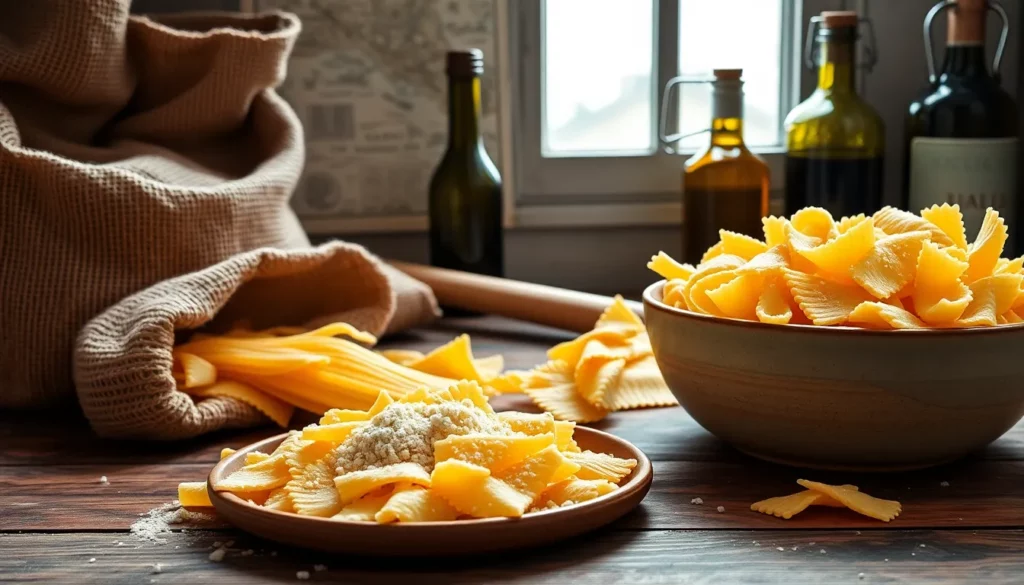
Conchigle (pronounced kon-KEEL-yeh) is a traditional Italian pasta shape that mimics the spiral form of a seashell. Its name derives from the Italian word conchiglia, meaning “shell.” This pasta is produced by extruding a mixture of durum wheat semolina and water through bronze dies, which creates a rough, porous surface that clings to sauces. The shape features a hollow interior and a ridged outer edge, designed to capture both liquid and chunky ingredients.
The origins of conchigle are rooted in the Campania region, particularly in the towns of Gragnano and Torre Annunziata, where pasta-making has been documented since the 16th century. The microclimate of the Lattari Mountains provides ideal conditions for slow drying, a critical step in developing the pasta’s texture and flavor. While conchigle itself is not a DOP product, the broader category of Pasta di Gragnano holds a Protected Geographical Indication (PGI) status under European Union law, ensuring that the pasta is produced in the designated area using traditional methods. This certification guarantees that the semolina is sourced from specific Italian durum wheat varieties and that the drying process respects artisanal standards.
“La pasta di Gragnano è il frutto di un territorio, di un clima, di una sapienza antica.” – Giovanni Ruggiero, pastaio gragnanese
The production method involves mixing semolina with water at a controlled temperature (18–20°C), kneading the dough under vacuum to eliminate air bubbles, and extruding it through bronze dies. The resulting conchigle are then dried slowly at low temperatures (40–50°C) for 12 to 24 hours, depending on the size. This process preserves the pasta’s protein structure and starch integrity, yielding a firm bite (al dente) and a nutty aroma.

Types & Grades
Conchigle are classified primarily by size, which dictates their culinary application. The following table outlines the standard grades recognized by Italian pasta manufacturers and the Accademia Italiana della Cucina.
| Grade | Size (length) | Typical Use | Drying Time |
|---|---|---|---|
| Conchigle Piccole | 15–20 mm | Minestrone, light broths, salads | 12–14 hours |
| Conchigle Medie | 25–30 mm | Pasta al forno, baked dishes, thick sauces | 14–18 hours |
| Conchigle Grandi | 35–45 mm | Stuffed pasta (e.g., with ricotta and spinach), casseroles | 18–24 hours |
| Conchigle Giganti (Jumbo) | 50–60 mm | Individual stuffed shells, showpiece dishes | 20–24 hours |
Beyond size, quality grades are determined by the production method:
- Artisanal Bronze-Die (Trafilata al Bronzo): Extruded through bronze dies, creating a rough surface that holds sauce. Dried slowly at low temperatures. Typically labeled “artigianale” or “di Gragnano.”
- Industrial Teflon-Die: Extruded through Teflon-coated dies, resulting in a smooth, shiny surface. Dried quickly at high temperatures. Less sauce adhesion and a softer texture.
- Integrale (Whole-Wheat): Made with whole durum wheat semolina, offering higher fiber content and a nuttier flavor. Often bronze-die extruded.
- Gluten-Free: Produced from rice, corn, or legume flours. Texture and cooking behavior differ significantly from traditional semolina conchigle.
In professional kitchens, the choice of grade directly impacts the final dish. For example, a conchigle al forno requires medium or large shells to withstand baking without becoming mushy, while a delicate seafood broth calls for piccole shells that do not overwhelm the liquid.
How It’s Used in Cooking
Conchigle are prized for their ability to trap sauces and small ingredients within their hollow centers. Traditional Italian applications include:
Classic Dishes
- Conchigle alla Pugliese: A rustic dish from Apulia featuring conchigle medie tossed with sautéed broccoli rabe, anchovies, garlic, and pecorino cheese. The shells cradle the bitter greens and salty fish.
- Conchigle Ripiene (Stuffed Shells): Jumbo conchigle are parboiled, then filled with a mixture of ricotta, spinach, Parmesan, and nutmeg. They are arranged in a baking dish, topped with tomato sauce and mozzarella, and baked until golden. This dish is a staple of Sunday family meals in central and southern Italy.
- Conchigle in Brodo: Small conchigle are simmered in a clear chicken or vegetable broth, often with diced carrots, celery, and parsley. The shells add texture and a playful element to the soup.
- Pasta con le Sarde: A Sicilian specialty where conchigle are paired with fresh sardines, wild fennel, pine nuts, raisins, and saffron. The shells capture the complex sauce.
Professional Techniques
Chefs often use conchigle as a vehicle for mantecatura – the technique of emulsifying pasta cooking water with fat and cheese to create a creamy sauce. The rough surface of bronze-die conchigle is essential for this process. In fine dining, jumbo shells may be individually stuffed and plated with a foam or reduction, showcasing the pasta’s structural integrity.
“La conchiglia è la pasta che abbraccia il sugo, non lo lascia mai scappare.” – Chef Massimo Bottura (paraphrased)
How to Choose/Identify Authentic Conchigle
For commercial buyers and home cooks seeking genuine Italian conchigle, the following cues indicate authenticity and quality:
- Color: Authentic conchigle made from high-quality durum semolina have a warm, amber-yellow hue. Pale or bright yellow may indicate artificial coloring or low-grade flour.
- Surface Texture: Look for a matte, slightly rough finish – a sign of bronze-die extrusion. Smooth, shiny shells are typically industrial Teflon-die products.
- Packaging Labels: Seek the PGI “Pasta di Gragnano” seal, which guarantees origin and traditional methods. Also check for “trafilata al bronzo” and “essiccazione lenta” (slow drying) on the package.
- Ingredient List: The only ingredients should be “semola di grano duro” (durum wheat semolina) and water. No eggs, preservatives, or additives.
- Price Point: Artisanal conchigle typically cost €3–€6 per 500g, while industrial versions may be under €1.50. The higher price reflects longer drying times and premium semolina.
- Country of Origin: Authentic Italian conchigle should be produced in Italy, preferably in Campania, Puglia, or Emilia-Romagna. Avoid products labeled “packed in Italy” with ambiguous origin.
For bulk purchasing, request a sample and cook it according to package directions. Authentic conchigle will release a starchy, nutty aroma and remain firm after the recommended cooking time. The cooking water should be cloudy, indicating high-quality starch release.
Substitutes
When conchigle are unavailable, several Italian pasta shapes can serve as substitutes, each with specific textural and functional considerations:
- Orecchiette: Small, ear-shaped pasta from Puglia. Its concave shape holds sauces similarly, though it is thicker and chewier. Best for vegetable-based sauces and broths.
- Fusilli: Spiral-shaped pasta that traps sauce in its grooves. Works well in baked dishes and with chunky sauces, but lacks the hollow cavity of conchigle.
- Gnocchi Sardi (Malloreddus): Sardinian semolina gnocchi with a ridged surface. Excellent for hearty ragùs and baked preparations, but denser and more filling.
- Lumache (Snail Pasta): Small, snail-shaped pasta with a hollow interior. The closest substitute for conchigle in terms of sauce capture, though slightly smaller and more delicate.
In stuffed pasta recipes, jumbo conchigle can be replaced by cannelloni tubes or manicotti, though these lack the shell’s decorative edge. For soups, ditalini or stelline are acceptable alternatives, but they do not provide the same textural contrast.
Note: Substituting with non-Italian shapes (e.g., elbow macaroni) is not recommended for authentic dishes, as the cooking properties and sauce compatibility differ significantly.
Conclusion
Conchigle represent a pinnacle of Italian pasta craftsmanship, combining a playful shape with serious culinary function. From the bronze-die extrusion of Gragnano to the slow drying that locks in flavor, every step of production influences the final dish. Whether used in a humble minestrone or an elegant stuffed shell entrée, authentic conchigle elevate the dining experience through texture, sauce retention, and cultural heritage. By understanding the grades, choosing PGI-certified products, and applying traditional cooking techniques, chefs and home cooks alike can honor the legacy of this beloved pasta.
FAQ
What is the difference between conchigle and conchiglie?
Both terms refer to the same shell-shaped pasta. ‘Conchiglie’ is the standard Italian spelling, while ‘conchigle’ is a common anglicized variant. In English-language contexts, both are used interchangeably, but authentic Italian packaging always uses ‘conchiglie’.
Can I use conchigle in a gluten-free diet?
Traditional conchigle are made from durum wheat semolina and contain gluten. However, many brands now offer gluten-free versions made from rice, corn, or legume flours. These cook differently and may require more careful handling to avoid breakage. Always check the label for certified gluten-free products.
How do I cook conchigle to achieve the perfect al dente texture?
Bring a large pot of salted water to a rolling boil (1 liter of water per 100g of pasta). Add the conchigle and stir immediately to prevent sticking. Cook according to package directions, but start testing 1–2 minutes before the suggested time. The pasta should be firm to the bite with a slight white core. Reserve a cup of pasta water before draining to use in the sauce.
Leave a Reply