
Short Answer
What It Is
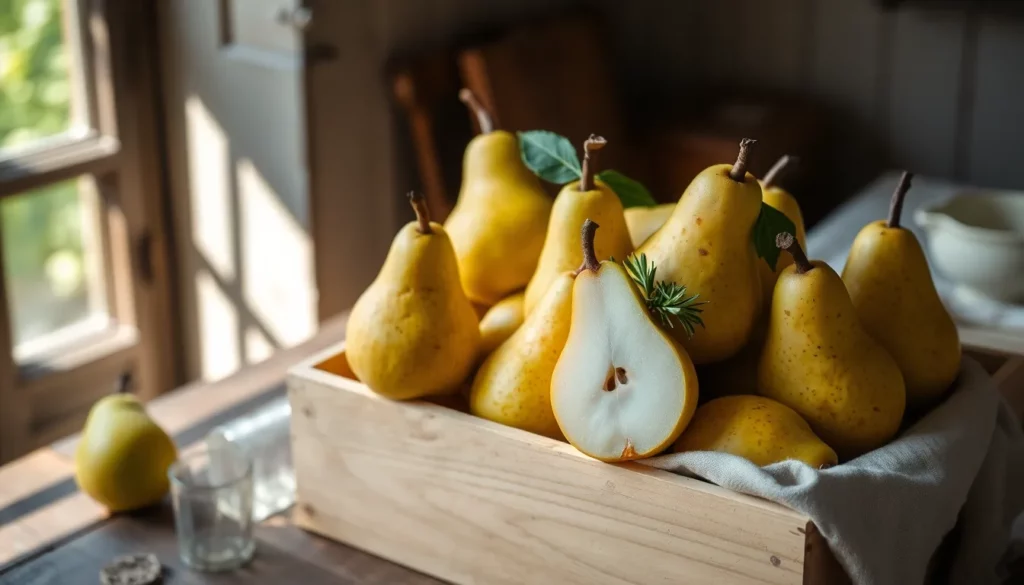
Pera is the Italian word for pear, but in the context of Italian culinary heritage, it refers specifically to the high-quality pears cultivated under the Protected Geographical Indication (PGI) status, most notably the Pera dell’Emilia-Romagna IGP. This designation, granted by the European Union, guarantees that the fruit is grown, harvested, and processed within the defined geographical area of Emilia-Romagna, following strict traditional methods that have been refined over centuries.
The history of pear cultivation in Italy dates back to ancient Roman times, when Pliny the Elder documented over 40 varieties. However, the modern PGI system was established to protect and promote regional specialties. The Pera dell’Emilia-Romagna IGP was officially recognized in 2004, covering a range of traditional varieties such as Abate Fétel, Conference, Decana, Kaiser, and William. These pears are grown in the fertile plains of the Po Valley, where the unique microclimate and alluvial soils impart a distinctive sweetness, juiciness, and aromatic complexity.
The production method emphasizes sustainable agriculture: trees are pruned to optimize sunlight exposure, irrigation is carefully managed, and harvesting is done by hand at precise ripeness levels. After harvest, the pears are sorted, graded, and stored in controlled atmosphere chambers to extend their shelf life while preserving quality. The PGI certification ensures traceability from orchard to table, with each batch bearing a unique code and the official PGI logo.

Types & Grades
Italian pears are classified by variety and commercial grade. The PGI designation covers several traditional varieties, each with distinct characteristics. Below is a table summarizing the main types and their typical uses.
| Variety | Skin Color | Flesh Texture | Flavor Profile | Best Use |
|---|---|---|---|---|
| Abate Fétel | Yellow-green with russet | Buttery, melting | Sweet, aromatic, hints of vanilla | Fresh eating, desserts |
| Conference | Greenish-yellow with russet | Firm, slightly grainy | Sweet, mild, with floral notes | Baking, poaching, salads |
| Decana | Golden yellow with red blush | Soft, juicy | Very sweet, rich, honey-like | Fresh eating, cheese pairings |
| Kaiser | Green to yellow with red blush | Crisp, dense | Sweet-tart, spicy undertones | Cooking, preserves, roasting |
| William | Bright yellow with red cheek | Fine-grained, buttery | Sweet, perfumed, with citrus hints | Fresh eating, fruit salads |
Grades are determined by size, shape, and absence of defects. The highest grade, Extra, includes pears that are uniform in size, perfectly shaped, and free from blemishes. Class I allows minor imperfections, while Class II is suitable for processing (e.g., purées, juices). For PGI pears, only Extra and Class I are typically sold fresh under the label.
How It’s Used in Cooking
Pera is a versatile ingredient in Italian cuisine, appearing in both sweet and savory dishes. Its natural sweetness and tender texture make it ideal for desserts, but it also pairs beautifully with cheeses, meats, and vegetables.
Traditional Sweet Applications
- Pere al vino rosso – Pears poached in red wine with sugar, cinnamon, and cloves, often served with mascarpone or gelato.
- Torta di pere – A rustic pear cake made with olive oil or butter, almonds, and a hint of lemon zest.
- Crostatine di pere – Mini tartlets filled with pear compote and topped with crumble.
Savory Pairings
- Insalata di pere e gorgonzola – A classic salad of sliced pears, gorgonzola cheese, walnuts, and a balsamic vinaigrette.
- Pere al forno con prosciutto – Baked pears wrapped in prosciutto, drizzled with honey and rosemary.
- Risotto con pere e taleggio – Creamy risotto with diced pears and melted Taleggio cheese.
“La pera è il frutto che sa di miele e di terra, un dono dell’autunno che si sposa con ogni stagione.” – Traditional Italian saying
In professional kitchens, pears are often used to balance rich dishes. The acidity of a wine-poached pear cuts through fatty meats like duck or pork, while the sweetness complements aged cheeses such as Parmigiano-Reggiano or Pecorino.
How to Choose/Identify Authentic PERA
When shopping for authentic Italian PGI pears, look for the following cues:
- PGI Label: The official EU logo (a yellow and blue emblem) and the words “Pera dell’Emilia-Romagna IGP” must appear on the packaging or sticker.
- Traceability Code: Each batch has a unique alphanumeric code that can be traced back to the producer.
- Variety Name: Authentic pears will list the specific variety (e.g., Abate Fétel) on the label.
- Appearance: The fruit should be firm but yielding slightly to gentle pressure near the stem. Skin should be smooth, with no bruises or soft spots. Color varies by variety but should be vibrant.
- Aroma: A sweet, floral fragrance indicates ripeness. Avoid pears with a fermented or musty smell.
- Seasonality: PGI pears are harvested from late summer through autumn, but controlled atmosphere storage allows availability until spring. Check the harvest year on the label.
For online purchases, ensure the seller is a certified member of the Consorzio di Tutela della Pera dell’Emilia-Romagna IGP. Avoid generic “Italian pears” without PGI certification, as they may not meet the same quality standards.
Substitutes
If authentic PGI Pera is unavailable, several Italian pears or other fruits can serve as substitutes, depending on the recipe.
- Other Italian Pears (non-PGI): Varieties like Coscia or Spadona offer similar sweetness and texture, though they lack the PGI guarantee. Use them in cooked dishes where the origin is less critical.
- Bosc Pears: A firm, russeted pear from France or the US that holds its shape well when baked or poached. Ideal for pere al vino rosso.
- Anjou Pears: Mildly sweet and juicy, suitable for fresh salads or cheese plates. They are less aromatic than Italian varieties.
- Apples (e.g., Golden Delicious): In savory dishes, apples can mimic the sweetness and texture of pears, though the flavor profile differs. Use in risottos or roasted preparations.
For desserts, quince (mela cotogna) is a traditional Italian substitute that becomes fragrant and tender when cooked, though it requires longer poaching.
Note: Substitutes may alter the final taste and texture. For authentic Italian recipes, sourcing PGI Pera is recommended.
Conclusion
Pera, particularly the PGI-certified Pera dell’Emilia-Romagna, represents the pinnacle of Italian pear cultivation. Its rich history, strict production standards, and versatile culinary applications make it a prized ingredient in both home and professional kitchens. By understanding the varieties, grades, and authenticity markers, you can select the finest pears and elevate your cooking with true Italian flavor.
FAQ
What does PGI mean for Pera?
PGI (Protected Geographical Indication) ensures that at least one stage of production, processing, or preparation of the pear takes place in the defined region of Emilia-Romagna, using traditional methods. It guarantees quality, traceability, and a link to the territory.
How should I store fresh Pera?
Store unripe pears at room temperature until they yield slightly to gentle pressure near the stem. Once ripe, refrigerate them in the crisper drawer for up to 5 days. For longer storage, keep in a cool, dark place (around 30-35°F) with high humidity.
Can I use Pera in savory dishes?
Absolutely. Pera pairs wonderfully with cheeses like Gorgonzola and Taleggio, cured meats like prosciutto, and in risottos or roasted vegetable dishes. Its sweetness balances salty and umami flavors.
What is the best variety of Pera for baking?
Conference and Kaiser pears hold their shape well when baked or poached due to their firmer texture. Abate Fétel is better for fresh eating or delicate desserts.
Leave a Reply