
Short Answer
What It Is
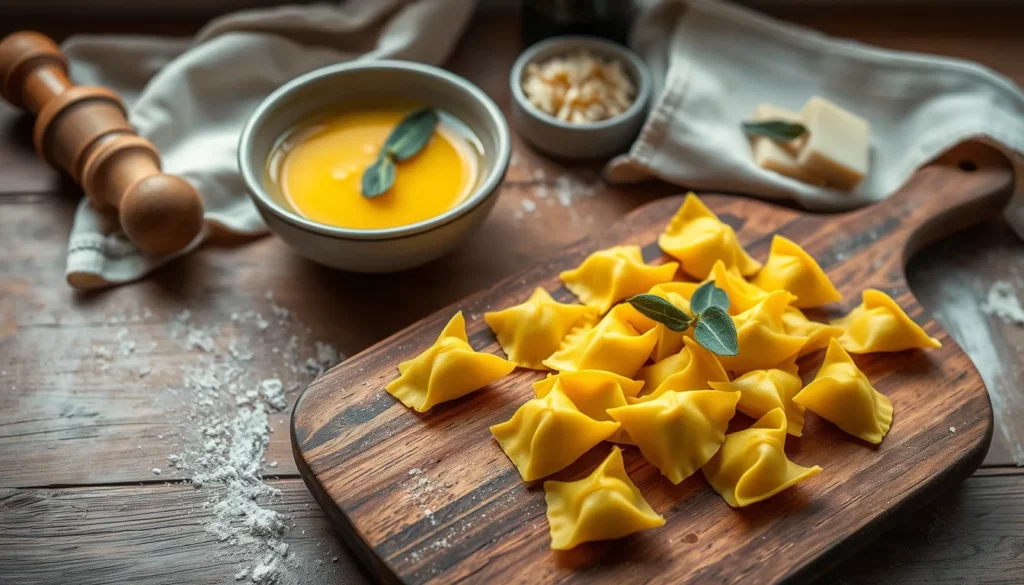
Agnolotti (singular: agnolotto) are a type of stuffed pasta originating from the Piedmont region of northwestern Italy, particularly the Langhe, Monferrato, and Asti areas. They are made from a thin sheet of egg pasta dough, typically filled with a mixture of braised meats (such as beef, pork, rabbit, or veal) or vegetables (like spinach and ricotta, or pumpkin), then folded and sealed into a semicircular or rectangular shape. The name likely derives from the Latin anulus (ring) or from the Greek angulus (angle), referring to the shape.
The most celebrated variant, Agnolotti del Plin, has been granted PGI (Protected Geographical Indication) status by the European Union since 2016. The term “plin” comes from the Piedmontese verb pliné, meaning “to pinch,” describing the traditional method of sealing the pasta by pinching the edges to create a small, crescent-shaped pocket. The production method is strictly regulated: the dough must contain at least 30% egg yolk, and the filling must be based on braised meat (usually a mix of beef and pork) with vegetables, wine, and spices. The pasta is then boiled and served with butter and sage, in broth, or with a light meat sauce.
Historically, agnolotti were a way to use leftover roasted meats, minced and seasoned, wrapped in pasta. They appear in cookbooks as early as the 18th century, with the first written recipe attributed to Giovanni Battista Gherardini in 1766. Today, they remain a symbol of Piedmontese culinary tradition, celebrated during festivals and family gatherings.

Types & Grades
Agnolotti vary by filling, shape, and size. The table below summarizes the main types recognized in Italian gastronomy.
| Type | Filling | Shape/Size | Notes |
|---|---|---|---|
| Agnolotti del Plin (PGI) | Braised beef, pork, vegetables, wine | Small, crescent, pinched seal | Protected designation; traditional from Langhe |
| Agnolotti d’Asino | Donkey meat, herbs, garlic | Similar to plin, often larger | Rustic, typical of Asti province |
| Agnolotti di Magro | Ricotta, spinach, herbs (no meat) | Rectangular or half-moon | Lenten or vegetarian version |
| Agnolotti di Zucca | Pumpkin, amaretti, Parmigiano, nutmeg | Half-moon, medium size | Sweet-savory, popular in autumn |
| Agnolotti di Carne (generic) | Various meats (beef, pork, veal, rabbit) | Variable, often larger | Common homemade version |
Grades are not officially classified, but quality is determined by the percentage of egg yolk in the dough, the freshness of ingredients, and the artisanal hand-pinching technique. Industrial agnolotti often use machine-made pasta and lower egg content, resulting in a less tender texture.
How It’s Used in Cooking
Agnolotti are versatile and appear in both traditional and contemporary Italian cuisine. The classic preparations highlight the delicate pasta and rich filling without overwhelming them.
Traditional Preparations
- Agnolotti al Burro e Salvia – Boiled agnolotti tossed in melted butter with fresh sage leaves and a sprinkle of Parmigiano-Reggiano. This simple sauce allows the pasta and filling to shine.
- Agnolotti in Brodo – Served in a clear, flavorful broth (often beef or chicken), this is a comforting winter dish, especially in Piedmont. The pasta absorbs the broth’s essence.
- Agnolotti al Sugo d’Arrosto – Tossed with a light meat sauce made from the pan drippings of a roast, sometimes with a touch of tomato. This is a Sunday family meal.
Modern Interpretations
Chefs now experiment with fillings like truffle and cheese, seafood, or even chocolate for dessert agnolotti. They may be served with brown butter, poppy seeds, or reduced balsamic. However, purists argue that the filling should never overpower the pasta.
“Agnolotti are not just a dish; they are a testament to the Piedmontese philosophy of cucina povera – turning humble leftovers into something sublime.” – Anna Gosetti della Salda, Italian food historian
How to Choose/Identify Authentic Agnolotti
For commercial buyers and home cooks seeking genuine agnolotti, consider these cues:
- Look for the PGI label – “Agnolotti del Plin” with the EU PGI logo guarantees origin and traditional method.
- Check the ingredient list – Authentic agnolotti have a high egg yolk content (at least 30% of the dough weight) and a filling that lists braised meat as the first ingredient, not breadcrumbs or fillers.
- Examine the shape – Hand-pinched agnolotti have irregular, slightly rustic edges; machine-made ones are perfectly uniform. The “plin” pinch should be visible.
- Color – The pasta should be a rich golden yellow from the egg yolks, not pale or white.
- Packaging – Fresh agnolotti are often sold refrigerated and should be consumed within a few days. Dried versions exist but are less common and often less delicate.
- Price – Authentic artisanal agnolotti are more expensive due to labor and quality ingredients. Extremely cheap products likely use inferior components.
Substitutes
If agnolotti are unavailable, several Italian stuffed pastas can serve as substitutes, each with distinct characteristics:
- Ravioli – Square or round, with similar fillings. Ravioli are larger and have a thicker pasta edge; they work well in the same sauces but lack the delicate pinched texture.
- Tortellini – Small, ring-shaped from Emilia-Romagna, typically filled with meat or cheese. They are denser and often served in broth or with cream sauces.
- Cappelletti – Hat-shaped, similar to tortellini but larger. They are a good substitute for broth-based dishes.
- Pansotti – Triangular stuffed pasta from Liguria, filled with ricotta and herbs (preboggion). They pair well with walnut sauce, offering a different flavor profile.
When substituting, consider the sauce: agnolotti’s delicate nature calls for light butter or broth, while heartier pastas can handle richer sauces.
Conclusion
Agnolotti represent the pinnacle of Piedmontese stuffed pasta, combining artisanal technique with regional ingredients. Whether enjoyed in a simple butter and sage sauce or floating in a savory broth, they offer a taste of Italian tradition. Understanding their PGI status, types, and authentic selection criteria empowers cooks and consumers to appreciate and source genuine agnolotti. As with all great pasta, the key lies in quality ingredients and careful preparation.
FAQ
What is the difference between agnolotti and ravioli?
Agnolotti are typically smaller, crescent-shaped, and sealed by pinching (plin), while ravioli are larger, square or round, and sealed by pressing with a fork or cutter. Agnolotti have a higher egg yolk content and a thinner pasta, making them more delicate. The filling for agnolotti is often based on braised meat, whereas ravioli can have a wider variety of fillings.
Can agnolotti be made without meat?
Yes, vegetarian versions called 'agnolotti di magro' use fillings like ricotta and spinach, or pumpkin with amaretti and Parmigiano. These are traditional for Lent or meatless days. However, the classic PGI agnolotti del plin must contain meat.
How should I cook agnolotti?
Fresh agnolotti cook quickly, usually 2-4 minutes in boiling salted water. They are done when they float to the surface. Dried agnolotti may take longer. Avoid overcooking to maintain the delicate texture. Serve immediately with butter and sage, in broth, or with a light sauce.



Leave a Reply