
Short Answer
What It Is
Tonno is the Italian term for tuna, but in the context of Italian gastronomy, it refers to a centuries-old tradition of harvesting, preserving, and cooking the large pelagic fish of the Mediterranean. The most revered species is the tonno rosso (bluefin tuna, Thunnus thynnus), which has been fished in the waters around Sicily, Sardinia, and the Ligurian coast since ancient times. The traditional fishing method, known as mattanza, is a dramatic and ritualistic practice that involves encircling the tuna with nets and then hauling them into boats—a technique that has been recognized as a UNESCO Intangible Cultural Heritage element in Sicily.
While there is no official DOP (Denominazione di Origine Protetta) for tonno, several products carry the PAT (Prodotto Agroalimentare Tradizionale) recognition, such as Tonno di Sicilia and Tonno rosso di Sicilia. These designations ensure that the tuna is caught, processed, and preserved according to traditional methods within the region. The Slow Food Presidium also protects the Tonno rosso di Sicilia, promoting sustainable fishing and artisanal processing. Modern Italian tonno production emphasizes quality: the fish is often caught by line or small-scale nets, then quickly processed to preserve its flavor. The most iconic form is tonno all’olio d’oliva—tuna preserved in extra virgin olive oil, a staple of Italian pantries.
“Il tonno è il re del mare, e in Sicilia lo trattiamo da re.” – Traditional Sicilian fisherman’s saying
Types & Grades
Italian tonno is categorized by species, cut, and preservation method. The following table outlines the main types and their quality grades:

| Type | Species | Cut / Grade | Preservation | Typical Use |
|---|---|---|---|---|
| Tonno rosso fresco | Bluefin (Thunnus thynnus) | Ventresca (belly), Filetto (loin) | Fresh, never frozen | Grilling, sashimi, tartare |
| Tonno all’olio d’oliva | Yellowfin (Thunnus albacares) or Bluefin | Ventresca (premium), Filetto (standard) | Preserved in extra virgin olive oil | Salads, pasta, antipasti |
| Tonno al naturale | Skipjack (Katsuwonus pelamis) or Yellowfin | Standard chunks | Preserved in brine or own juices | Dietary dishes, salads |
| Ventresca di tonno | Bluefin or Yellowfin | Belly (fattiest part) | Olive oil or salt | Gourmet antipasti, crostini |
| Tonno sott’olio artigianale | Bluefin (often from Sicily) | Hand-packed fillets | Extra virgin olive oil, glass jar | High-end charcuterie boards |
Grades are determined by the fat content (ventresca is the highest), the species (bluefin is most prized), and the processing method (hand-packed vs. machine-packed). Artisanal producers often label their tonno with the catch date and the name of the fisherman.
How It’s Used in Cooking
Italian cuisine employs tonno in both fresh and preserved forms. Fresh tonno rosso is often grilled over charcoal, seasoned simply with salt, pepper, and a squeeze of lemon. It is also used in carpaccio di tonno (thinly sliced raw tuna) or as a tartare with capers and red onion. Preserved tonno is a pantry hero, appearing in countless traditional dishes:
- Pasta con tonno – A quick sauce of canned tonno, garlic, olive oil, and parsley, often with cherry tomatoes or olives.
- Vitello tonnato – Cold sliced veal topped with a creamy sauce made from tonno, anchovies, capers, and mayonnaise. A classic summer dish from Piedmont.
- Insalata di tonno e fagioli – Tuna and cannellini bean salad with red onion and parsley.
- Tonno e cipolle – A simple antipasto of preserved tonno and thinly sliced red onions marinated in vinegar.
- Panino con tonno – A sandwich with tonno, lettuce, tomato, and a drizzle of olive oil.
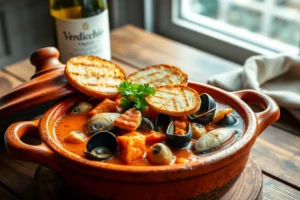
In Sicily, fresh tonno is also used in tonno alla ghiotta (tuna stewed with tomatoes, olives, and capers) and involtini di tonno (tuna rolls stuffed with breadcrumbs and herbs).
How to Choose/Identify Authentic TONNO
When buying Italian tonno, look for these authenticity cues:
- Labeling: Seek products with Tonno di Sicilia PAT or Tonno rosso di Sicilia Slow Food Presidium. For canned tonno, the label should state the species (e.g., Thunnus thynnus), the oil used (extra virgin olive oil), and the origin (Italy).
- Ingredients: Authentic tonno all’olio d’oliva contains only tuna, olive oil, and salt. Avoid products with vegetable oil, additives, or flavorings.
- Packaging: Artisanal tonno is often sold in glass jars, allowing you to see the quality of the fillets. The tuna should be in large, intact pieces, not shredded.
- Color and texture: Fresh tonno should be deep red to maroon, with a firm, meaty texture. Canned tonno should be light pink to beige (depending on species) and moist, not dry or mushy.
- Smell: Fresh tonno should smell like the sea, not fishy or ammonia-like. Canned tonno should have a clean, briny aroma.
- Sustainability: Look for MSC (Marine Stewardship Council) certification or labels indicating sustainable fishing practices, especially for bluefin tuna.
For the best quality, purchase from Italian specialty stores or reputable online retailers that source directly from Sicilian or Sardinian producers.
Substitutes
If tonno is unavailable, Italian cuisine offers several substitutes that provide similar umami and texture:
- Alici (anchovies) – For preserved fish dishes, anchovies offer a more intense, salty flavor. Use in sauces like puttanesca or as a topping for bruschetta.
- Sgombro (mackerel) – A fatty, oily fish that can be grilled or preserved. It works well in salads and pasta dishes where tonno is called for.
- Pesce spada (swordfish) – A firm, meaty fish that can be grilled or used in stews. It is a common substitute for fresh tonno in Sicilian recipes.
- Baccalà (salt cod) – For preserved fish, rehydrated salt cod can replace tonno in salads or fritters, though it has a different texture and requires soaking.
Each substitute changes the dish’s character, so choose based on the recipe: for a delicate pasta, use mackerel; for a robust stew, swordfish; for a briny antipasto, anchovies.
Conclusion
Tonno is more than just tuna—it is a symbol of Italian maritime heritage, from the ancient mattanza to the artisanal jars of ventresca. Whether you savor it fresh off the grill or as a pantry staple in pasta and salads, understanding its types, grades, and authenticity markers elevates your culinary experience. By choosing authentic Italian tonno, you support traditional fishing communities and enjoy a product that embodies the sun, sea, and skill of the Mediterranean.
FAQ
What is the best Italian tuna to buy?
The best Italian tuna is typically tonno rosso (bluefin) from Sicily, especially the ventresca cut preserved in extra virgin olive oil. Look for PAT or Slow Food Presidium labels to ensure authenticity and traditional processing.
How is tonno di Sicilia different from regular canned tuna?
Tonno di Sicilia is a traditional product that must be caught and processed in Sicily using local methods. It is often hand-packed, uses higher-quality tuna (often bluefin), and is preserved in extra virgin olive oil, resulting in superior flavor and texture compared to mass-produced canned tuna.
Is canned tonno healthy?
Yes, canned tonno is a good source of protein, omega-3 fatty acids, and vitamins. Choose tonno preserved in olive oil for healthy fats, and opt for varieties with no added preservatives. Be mindful of mercury content; limit consumption of large species like bluefin.
What is ventresca di tonno?
Ventresca is the belly cut of tuna, the fattiest and most flavorful part. It is often sold as a premium product in olive oil, used in antipasti or salads. Its high fat content gives it a buttery, melt-in-the-mouth texture.
How should I use tonno in cooking?
Fresh tonno is best grilled or seared, while preserved tonno is ideal for pasta sauces, salads, and cold dishes like vitello tonnato. Always drain the oil or brine before using, and reserve the oil for dressings or drizzling.

Leave a Reply