
Short Answer
What It Is
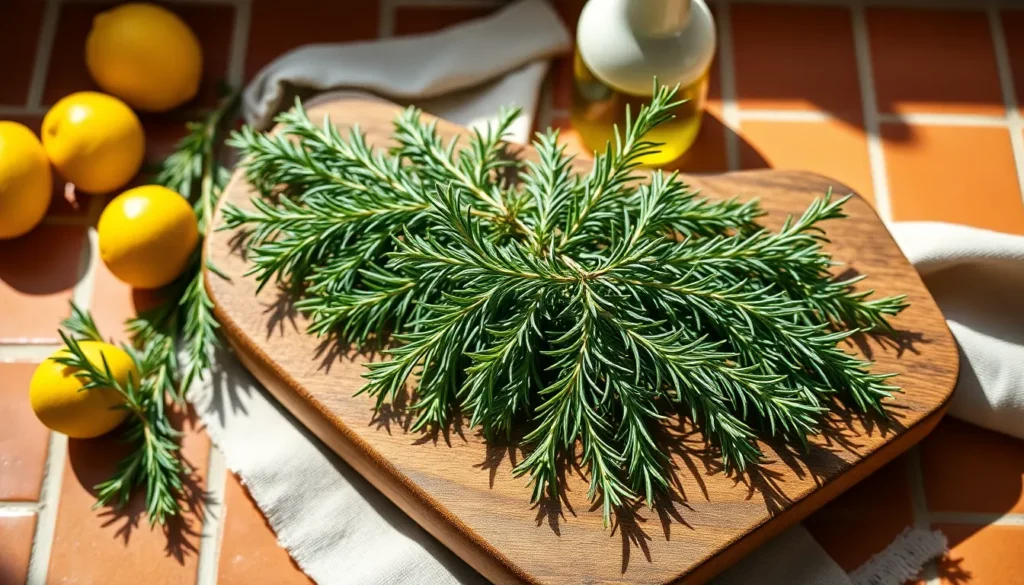
Rosmarino (scientific name Salvia rosmarinus, formerly Rosmarinus officinalis) is a perennial evergreen shrub native to the Mediterranean basin, particularly the coastal regions of Italy, Greece, and Spain. In Italy, rosmarino has been cultivated for millennia, with the earliest recorded uses dating back to the ancient Romans, who valued it for both culinary and medicinal purposes. The plant thrives in well-drained, calcareous soils and full sun, typical of the Italian regions of Liguria, Tuscany, Sardinia, and Puglia.
While rosmarino itself does not hold a specific DOP (Denominazione di Origine Protetta) or PGI (Indicazione Geografica Protetta) status as a raw herb, certain regional products that feature rosmarino—such as Pecorino Toscano with rosemary or Rosmarino di Sardegna (a traditional aromatic plant used in local cuisine)—are protected under broader geographical indications. The Italian Ministry of Agricultural Policies recognizes the traditional cultivation methods of rosmarino in these areas, ensuring that the herb retains its characteristic intense aroma and flavor profile.
Types & Grades
Rosmarino is available in several forms and grades, each suited to different culinary applications. The table below outlines the primary types and their characteristics.

| Type | Form | Characteristics | Common Uses |
|---|---|---|---|
| Fresh Rosmarino | Whole sprigs or leaves | Bright green, pliable needles; intense, pine-like aroma with hints of lemon and camphor | Roasts, marinades, infused oils, stews |
| Dried Rosmarino | Whole or crushed leaves | Duller green, brittle; more concentrated, slightly woody flavor | Dry rubs, herb blends, long-cooking sauces |
| Rosmarino in Olio | Preserved in olive oil | Softened leaves; mellowed, herbaceous taste | Salads, bruschetta, antipasti |
| Rosmarino Essence | Essential oil or extract | Highly concentrated; use sparingly | Flavoring for baked goods, liqueurs, or aromatherapy |
| Rosmarino Selvatico | Wild rosemary | Smaller leaves, more pungent; foraged from coastal cliffs | Traditional Sardinian dishes, game meats |
Grades are typically based on leaf size, color, and absence of stems. Professional chefs prefer fresh, whole sprigs from the first harvest (spring) for the most vibrant flavor.
How It’s Used in Cooking
Rosmarino is a fundamental herb in Italian cooking, lending its resinous, slightly bitter notes to a wide range of dishes. Its robust character pairs exceptionally well with fatty meats, roasted vegetables, and legumes.
Traditional Italian Applications
- Arrosti (Roasts): Whole sprigs of rosmarino are tucked under the skin of chicken or inserted into lamb roasts before cooking. The heat releases essential oils that permeate the meat.
- Marinature (Marinades): Crushed rosmarino leaves combined with olive oil, garlic, and lemon juice form a classic marinade for pork, beef, or game.
- Focaccia e Pane: Rosmarino is sprinkled over focaccia dough before baking, often with coarse salt and olive oil, creating a fragrant crust.
- Legumi e Zuppe: A sprig of rosmarino added to simmering lentils, cannellini beans, or minestrone infuses the broth with earthy depth.
- Oli Aromatizzati: Fresh rosmarino is steeped in extra-virgin olive oil for several weeks to produce a versatile finishing oil.
“Il rosmarino è l’anima della cucina toscana: senza di esso, l’arrosto non canta.” – Traditional Tuscan saying
In professional kitchens, rosmarino is often used as a smoking herb or in compound butters. Its resilience to high heat makes it ideal for grilling and roasting.
How to Choose/Identify Authentic Rosmarino
When purchasing rosmarino, especially for commercial or high-end culinary use, authenticity and quality are paramount. Follow these guidelines:
- Source: Look for rosmarino labeled with the region of origin (e.g., “Rosmarino di Liguria” or “Rosmarino di Sardegna”). While not DOP, these designations indicate traditional cultivation.
- Appearance: Fresh rosmarino should have vibrant, deep green needles that are pliable, not brittle. Avoid yellowing or wilted sprigs.
- Aroma: A strong, piney, and slightly camphoraceous scent is a sign of high essential oil content. Weak or hay-like aroma indicates age or poor storage.
- Packaging: For dried rosmarino, choose whole leaves over crushed or powdered forms, as they retain flavor longer. Check for a harvest date and avoid products with added preservatives.
- Certifications: While no DOP exists for the herb itself, look for organic certification (EU Organic or equivalent) to ensure no pesticides were used.
For professional buyers, establishing a direct relationship with Italian growers in Liguria or Tuscany guarantees the freshest product, often harvested within 24 hours of shipping.
Substitutes
In Italian cooking, no single herb perfectly replicates rosmarino’s unique profile, but several alternatives can be used depending on the dish:
- Timo (Thyme): Its earthy, slightly floral notes work well in stews and marinades, though it lacks rosmarino’s resinous punch.
- Salvia (Sage): A classic pairing with pork and poultry; sage offers a more savory, slightly peppery flavor.
- Maggiorana (Marjoram): Milder and sweeter, suitable for delicate sauces or vegetable dishes where rosmarino might overpower.
- Alloro (Bay Leaf): Adds a subtle, herbal depth to long-cooked soups and braises, but should be removed before serving.
When substituting, use about half the amount of the alternative herb, as rosmarino is more intense. For example, replace 1 tablespoon of fresh rosmarino with 1½ teaspoons of fresh thyme or sage.
In conclusion, rosmarino is an irreplaceable herb in the Italian culinary tradition, valued for its bold aroma and versatility. Understanding its types, proper selection, and authentic uses allows cooks to harness its full potential, whether in a rustic Tuscan roast or a refined modern dish. By sourcing high-quality rosmarino and respecting its regional heritage, you bring a true taste of Italy to your kitchen.
FAQ
Is Rosmarino the same as common rosemary?
Yes, Rosmarino is the Italian name for rosemary (Salvia rosmarinus). It refers to the same herb, though Italian-grown varieties often have a more intense aroma due to the Mediterranean climate and traditional cultivation methods.
Can I use dried Rosmarino instead of fresh in Italian recipes?
Yes, but with adjustments. Dried rosmarino is more concentrated, so use about one-third the amount of fresh. Add it earlier in the cooking process to allow rehydration and flavor release. For dishes where the herb is a visual garnish, fresh is preferred.
Does Rosmarino have any DOP or PGI certification?
The raw herb itself does not have a DOP or PGI designation. However, some regional products that prominently feature rosmarino, such as certain cheeses or preserved meats, may carry PGI status. Always check the product label for geographical indications.
Leave a Reply