
Short Answer
What It Is
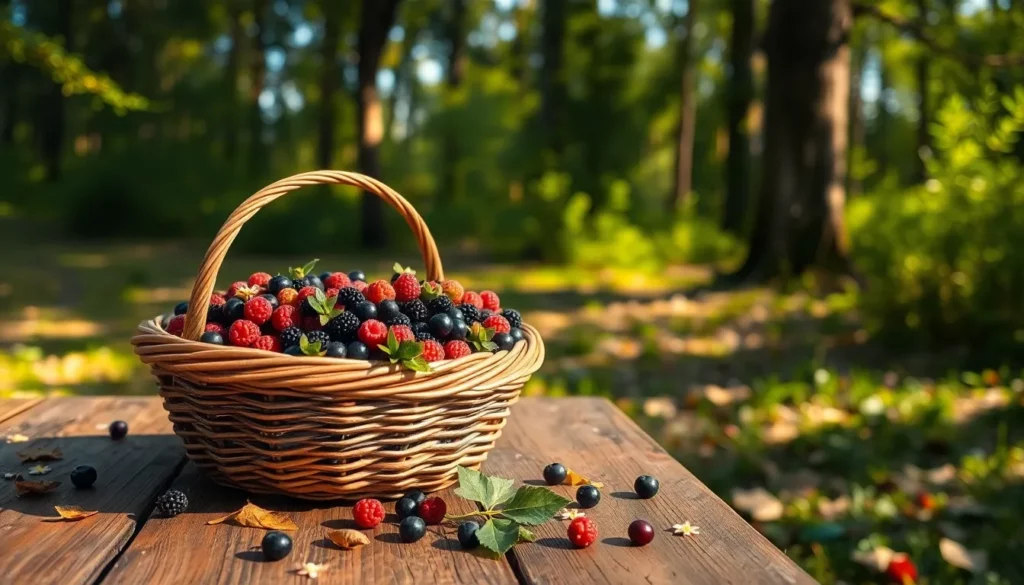
Frutta di Bosco (Italian for “fruit of the woods”) is a collective term for the wild berries that grow in the underbrush of Italian forests and alpine meadows. This mix typically includes wild strawberries (fragoline), blueberries (mirtilli), raspberries (lamponi), blackberries (more), red currants (ribes rossi), black currants (ribes neri), and bilberries (mirtilli neri). These berries are celebrated for their intense, concentrated flavor, high antioxidant content, and deep roots in Italian culinary tradition.
While Frutta di Bosco as a blend does not carry a single DOP or IGP designation, several of its individual components are protected under Italian and European quality schemes. For example, Mirtillo nero di Piemonte IGP (black bilberry from Piedmont) and Fragola di Nemi IGP (wild strawberry from the Nemi area) are recognized for their unique terroir. The production method is strictly artisanal: berries are hand-picked in designated forest areas during a short season, often under regulations that preserve biodiversity and prevent overharvesting. This labor-intensive process ensures that only the ripest, most aromatic fruits reach the market.
Types & Grades
Frutta di Bosco is categorized by both the species included and the quality grade. The table below outlines the most common types and their characteristics.

| Type | Description | Season | Common Uses |
|---|---|---|---|
| Wild Strawberries (Fragoline) | Tiny, intensely sweet, with a soft texture; often white-fleshed with red seeds. | May–July | Desserts, jams, fresh eating |
| Blueberries (Mirtilli) | Small, dark blue, with a slightly tart, earthy flavor. | June–September | Risotto, sauces, baked goods |
| Raspberries (Lamponi) | Red, hollow-centered, with a delicate balance of sweetness and acidity. | June–October | Jams, gelato, panna cotta |
| Blackberries (More) | Large, glossy black, with a rich, tangy taste. | August–October | Preserves, syrups, game sauces |
| Red Currants (Ribes Rossi) | Translucent red, very tart, often used in small quantities. | June–August | Jellies, garnishes, vinegar |
| Black Currants (Ribes Neri) | Dark purple, strong musky aroma, high in vitamin C. | July–August | Liqueurs, cordials, baking |
In addition to species, berries are graded by quality:
- Extra (Selvatica) – Wild, hand-picked, often with slight blemishes; most aromatic and flavorful.
- Prima (Coltivata di Qualità) – Cultivated but from high-quality varieties; uniform size and color.
- Seconda (da Lavorazione) – Slightly damaged or less ripe; intended for processing into jams, syrups, or liqueurs.
How It’s Used in Cooking
Frutta di Bosco is a cornerstone of Italian pastry and savory cooking. Its bright acidity and deep fruitiness complement both sweet and savory dishes.
Traditional Sweet Applications
- Gelato e Sorbetto – Mixed berries are puréed and churned into creamy gelato or refreshing sorbetto.
- Panna Cotta – A silky cream dessert topped with a vibrant berry coulis.
- Crostata di Frutta di Bosco – A shortcrust tart filled with pastry cream and fresh berries.
- Zuppa di Frutti di Bosco – A chilled soup of berries macerated in wine or lemon juice, often served with a dollop of mascarpone.
Savory and Modern Uses
- Risotto ai Mirtilli – A signature dish from Trentino, where blueberries are stirred into risotto with butter and Parmigiano-Reggiano.
- Salsa di Frutta di Bosco per Selvaggina – A reduction of berries, vinegar, and spices served with game meats like venison or wild boar.
- Aceto di Frutta di Bosco – Artisanal vinegar made by fermenting berries, used in dressings and marinades.
- Grappa di Frutta di Bosco – A pomace brandy infused with forest berries, often enjoyed as a digestif.
“La frutta di bosco è il tesoro nascosto del sottobosco italiano: ogni bacca racchiude l’essenza della montagna.” – Traditional saying from the Alpine valleys.
How to Choose/Identify Authentic FRUTTA DI BOSCO
For chefs and home cooks seeking the true taste of Italian forests, authenticity is key. Follow these guidelines when purchasing fresh or processed Frutta di Bosco.
Fresh Berries
- Labeling – Look for “Raccolta in bosco” (forest-picked) or the specific IGP/DOP mark for individual berries. Avoid generic “mixed berries” without origin.
- Appearance – Wild berries are smaller, less uniform, and may have slight blemishes or a dusty bloom. Cultivated berries are larger and more perfect but less flavorful.
- Aroma – Authentic Frutta di Bosco has an intense, perfumed scent that fills the room. If the berries smell faint or sour, they are likely old or cultivated.
- Seasonality – True wild berries are available only from late spring to early autumn. Out-of-season “fresh” berries are almost certainly imported or greenhouse-grown.
Processed Products (Jams, Syrups, Liqueurs)
- Ingredients – The label should list “100% frutta” with no added pectin, artificial flavors, or excessive sugar. Authentic Italian products often use only berries, sugar, and lemon juice.
- Certifications – Look for IGP, DOP, or “Prodotto di Montagna” (mountain product) logos. The “Frutta di Bosco” blend itself is not certified, but reputable producers will indicate the origin of each berry.
- Color – High-quality preserves have a deep, natural color (dark purple, ruby red) without artificial dyes.
Substitutes
When fresh Frutta di Bosco is unavailable, several Italian substitutes can be used, though they will alter the flavor profile slightly.
- Cultivated Mixed Berries – A blend of farmed blueberries, raspberries, and blackberries is the most accessible substitute. Add a few wild strawberries (if available) to boost aroma.
- Single-Berry Varieties – For specific dishes, use one type of berry: mirtilli for risotto, fragoline for desserts, more for game sauces.
- Frozen Wild Berries – Many Italian producers freeze wild berries at peak ripeness. These are excellent for cooking and baking, though texture may be softer for fresh use.
- Other Italian Forest Fruits – In some regions, corniolo (cornelian cherry) or prugnolo (sloe berry) are used in similar ways, but they are more tart and require sweetening.
When substituting, remember that cultivated berries lack the intensity of wild ones. To compensate, add a splash of lemon juice or a pinch of citric acid to brighten the flavor.
In conclusion, Frutta di Bosco is a celebration of Italy’s wild bounty. Its diversity, seasonality, and artisanal harvesting make it a prized ingredient for both traditional and innovative cooking. By understanding its types, grades, and authenticity markers, you can bring the true taste of the Italian forest to your table.
FAQ
What is Frutta di Bosco?
Frutta di Bosco is an Italian term meaning 'forest fruit,' referring to a mix of wild berries such as wild strawberries, blueberries, raspberries, blackberries, and currants that grow in Italian forests and alpine regions.
How should I store fresh Frutta di Bosco?
Fresh berries are highly perishable. Refrigerate them in a single layer on a paper towel-lined tray, cover loosely, and use within 1–2 days. Do not wash until just before use to prevent mold.
Can I use frozen Frutta di Bosco as a substitute for fresh?
Yes, frozen wild berries are an excellent substitute, especially for cooking and baking. They are typically flash-frozen at peak ripeness, preserving flavor and nutrients. However, they will be softer when thawed, so they are less suitable for fresh presentations.
What is the difference between wild and cultivated Frutta di Bosco?
Wild berries are smaller, more intensely flavored, and have a shorter season. They are hand-picked from forests and often have slight blemishes. Cultivated berries are larger, more uniform, and available longer, but they lack the concentrated aroma and complexity of wild varieties.
Leave a Reply