
Short Answer
What It Is
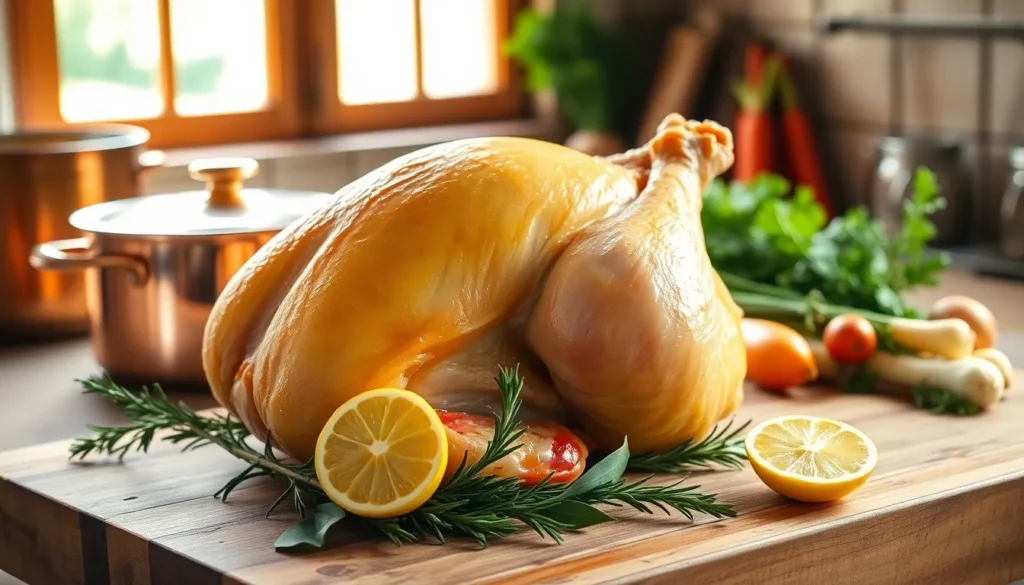
Gallina is the Italian term for a mature hen, typically raised for meat and broth production rather than for eggs. Unlike the younger pollo (chicken), gallina is an older bird—usually over eight months of age—that has developed a firmer, leaner flesh and a more concentrated, savory flavor. In Italian culinary tradition, gallina is revered for its ability to produce a deeply aromatic brodo (broth) that forms the foundation of many regional soups, risottos, and braised dishes.
The production of gallina is deeply rooted in Italy’s rural heritage. Historically, hens that had finished their egg-laying cycle were stewed to extract every bit of flavor. Today, specific heritage breeds are raised for this purpose, often under free-range or organic conditions. While gallina does not hold a DOP (Denominazione di Origine Protetta) or PGI (Indicazione Geografica Protetta) status as a generic category, certain local breeds—such as the Gallina di Siena and Gallina Millefiori—are recognized by the Slow Food Foundation for their traditional farming methods and genetic purity. These breeds are typically raised in Tuscany, Lombardy, and Emilia-Romagna, where the microclimate and foraging diet contribute to the meat’s distinctive character.
“La gallina vecchia fa buon brodo” – an old Italian proverb meaning “the old hen makes good broth,” underscoring the value of age in flavor development.
Types & Grades
Gallina is classified primarily by age, breed, and rearing method. The following table outlines the main grades encountered in Italian markets and professional kitchens:

| Grade | Age | Weight | Flavor Profile | Best Use |
|---|---|---|---|---|
| Gallina Giovane (Young Hen) | 8–12 months | 1.5–2.5 kg | Mildly gamey, tenderer than old hen | Roasting, braising, moderate broth |
| Gallina Vecchia (Old Hen) | 12–24 months | 2.0–3.5 kg | Intense, rich, deeply savory | Long-simmered broth, stews, lesso |
| Gallina di Razza (Heritage Breed) | 10–18 months | 1.8–2.8 kg | Complex, nutty, with grassy notes | Premium broth, traditional recipes |
| Gallina Ruspante (Free-Range Hen) | 10–20 months | 1.5–3.0 kg | Robust, with herbal undertones | Any slow-cooking method |
In addition to age, the breed significantly influences the final product. Notable heritage breeds include:
- Gallina di Siena – a Tuscan breed with dark feathers and a strong, aromatic meat, often used in the classic ribollita soup.
- Gallina Millefiori – a Lombard breed known for its speckled plumage and delicate yet persistent flavor, ideal for clear broths.
- Gallina Livornese – originally from Tuscany, this breed is more common for egg production but older specimens are valued for broth.
How It’s Used in Cooking
Gallina is almost never cooked quickly; its dense muscle fibers require low, moist heat to break down collagen and release flavor. The most iconic application is brodo di gallina, a golden, gelatin-rich broth that serves as the base for tortellini in brodo, passatelli, and stracciatella. In Emilia-Romagna, a steaming bowl of tortellini in brodo di gallina is a Christmas tradition.
Beyond broth, gallina is braised in dishes such as gallina in umido (hen stewed with tomatoes, wine, and aromatic herbs) or gallina ripiena (stuffed hen, often with chestnuts, sausage, and herbs, then roasted or braised). In Piedmont, gallina lessa (boiled hen) is served with salsa verde and boiled vegetables as a rustic main course. The meat, once cooked, can be shredded and used in insalata di gallina or added to risotto for extra depth.
Professional chefs prize gallina for its ability to enrich sauces and stocks without overwhelming other ingredients. A classic technique is to simmer the hen with soffritto (onion, carrot, celery) and white wine, then strain the liquid for a concentrated fondo that elevates any dish.
How to Choose/Identify Authentic Gallina
When purchasing gallina, look for the following indicators of quality and authenticity:
- Source: Buy from trusted butchers or farmers’ markets that specify the breed and age. Authentic gallina is rarely found in standard supermarkets; seek out specialty Italian grocers or direct-from-farm suppliers.
- Appearance: The skin should be yellowish (from corn-based feed) and intact. The breastbone will be prominent and rigid, indicating maturity. Avoid birds with bruised or torn skin.
- Labeling: Check for terms like gallina vecchia, razza antica (heritage breed), or allevata a terra (free-range). Some producers carry Slow Food Presidium certification for breeds like Gallina di Siena.
- Smell: Fresh gallina has a clean, slightly gamey aroma. Any off-odors or ammonia suggest poor handling.
- Weight: A whole gallina typically weighs between 1.5 and 3.5 kg. Heavier birds are older and more flavorful but require longer cooking.
For commercial kitchens, building a relationship with a regional Italian supplier ensures consistent quality. Many producers now offer vacuum-packed whole hens or pre-portioned cuts, but whole birds are preferred for stock-making.
Substitutes
If authentic gallina is unavailable, the following Italian substitutes can be used, though each will alter the final dish:
- Pollo Vecchio (Old Rooster) – Also called gallo, this is the male counterpart. It has even firmer meat and a stronger flavor, ideal for long braises. Use it in the same way as gallina, but expect a more pronounced gamey taste.
- Faraona (Guinea Fowl) – A lean, flavorful bird that mimics the texture of gallina. It is slightly drier, so barding or larding is recommended. Excellent for broth and stews.
- Pollo Ruspante (Free-Range Chicken) – A younger bird (4–6 months) that is less intense but still superior to factory-farmed chicken. For broth, use two polli ruspanti to approximate the flavor of one gallina.
- Anatra (Duck) – In some northern Italian recipes, duck is used as a substitute for gallina in ripiena or in umido. Duck provides a richer, fattier broth, so adjust seasoning accordingly.
Each substitute brings its own character; for the most authentic results, seek out gallina from heritage breeds or order online from Italian specialty purveyors.
In summary, gallina is a cornerstone of Italian slow cooking, offering unparalleled depth in broths and braises. Understanding its types, grades, and proper selection allows both home cooks and professionals to honor this traditional ingredient.
FAQ
What is Gallina in Italian cooking?
Gallina is a mature hen, typically over 8 months old, prized for its intense flavor and used primarily for making rich broth (brodo) and slow-cooked stews. It is leaner and more flavorful than young chicken.
How is Gallina different from pollo?
Pollo refers to young chicken (under 6 months) with tender, mild meat. Gallina is older, with firmer, leaner meat and a deeper, more savory taste. Gallina requires longer cooking to become tender, while pollo can be roasted or grilled quickly.
Where can I buy authentic Gallina?
Authentic gallina is best sourced from Italian specialty butchers, farmers' markets, or online suppliers that specify heritage breeds and free-range rearing. Look for labels like 'gallina vecchia' or Slow Food Presidium certifications for breeds such as Gallina di Siena.
Leave a Reply