
Short Answer
What It Is
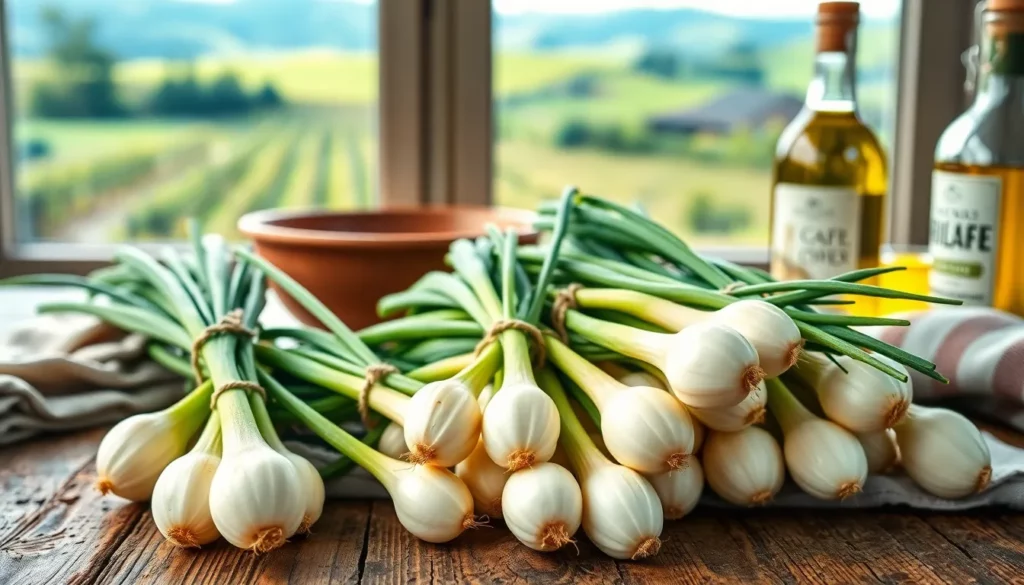
Spring onion, known in Italy as cipollotto (plural cipollotti), refers to the immature bulbs of Allium cepa harvested before the bulb fully develops. Unlike mature onions, spring onions feature a small, white bulb with a slender neck and long, green, hollow leaves. They are prized for their mild, sweet flavor with a gentle pungency that intensifies slightly toward the bulb. In Italian culinary tradition, spring onions are not merely a seasonal vegetable but a cornerstone of regional identity, with specific varieties protected under European Union quality schemes.
The production of spring onions in Italy is concentrated in regions with fertile, well-drained soils and temperate climates. The most renowned Italian spring onions are those with PGI (Protected Geographical Indication) status: Cipollotto di Nocera Umbra (Umbria) and Cipollotto di Cerignola (Puglia). These designations guarantee that the onions are grown, processed, and prepared in their specific geographical area according to traditional methods. The Cipollotto di Nocera Umbra PGI, recognized in 2004, is characterized by its elongated bulb, white color, and sweet, delicate flavor, attributed to the mineral-rich soils of the Umbrian valley. The Cipollotto di Cerignola PGI, recognized in 2011, is known for its round, slightly flattened bulb and a more pronounced sweetness, a result of the coastal microclimate and traditional irrigation techniques.
Historically, spring onions have been cultivated in Italy since Roman times. The ancient Romans valued them for their medicinal properties and used them in salads and sauces. Today, spring onions are harvested from late winter through early summer, with peak season in April and May. The bulbs are typically hand-harvested to avoid bruising, and the green tops are often left attached to preserve freshness.

“Il cipollotto è l’anima della primavera in cucina” – “The spring onion is the soul of spring in the kitchen.” – Traditional Italian saying
Types & Grades
Italian spring onions are categorized primarily by variety, growing region, and harvest time. While there are many local cultivars, the two PGI varieties dominate the market. Additionally, spring onions are graded by size and quality for commercial sale.
PGI Varieties
| Variety | Region | Bulb Shape | Flavor Profile | Harvest Season |
|---|---|---|---|---|
| Cipollotto di Nocera Umbra (PGI) | Umbria | Elongated, cylindrical | Sweet, delicate, low pungency | March – June |
| Cipollotto di Cerignola (PGI) | Puglia | Round, slightly flattened | Sweet, mild, slightly spicy finish | April – July |
Other Notable Varieties
- Cipollotto di Tropea – Though primarily known for its mature red onion, young bulbs of Tropea onion are harvested as spring onions, offering a sweet, mild flavor with a hint of red color.
- Cipollotto di Chioggia – From the Veneto region, these have a flattened bulb with white and red stripes, mild and slightly sweet.
- Cipollotto di Montoro – A variety from Campania, known for its elongated shape and intense flavor.
Commercial Grades
Spring onions are typically sold in bunches. Grading is based on bulb diameter, uniformity, and condition of the green tops. Common grades include:
- Extra Class: Superior quality, uniform size (bulb diameter 15-25 mm), no defects, fresh green tops.
- Class I: Good quality, slight variations in size, minor blemishes allowed.
- Class II: Marketable but with more defects, often used for processing.
How It’s Used in Cooking
Spring onions are incredibly versatile in Italian cuisine. Their mild flavor allows them to be used both raw and cooked, adding a fresh, oniony note without overwhelming other ingredients.
Raw Applications
- Insalate: Thinly sliced spring onions are a classic addition to mixed salads, particularly with tomatoes, cucumbers, and fresh herbs. The Insalata di Cipollotti is a simple dish of sliced spring onions dressed with olive oil, lemon juice, salt, and pepper.
- Pinzimonio: A traditional Italian appetizer of raw vegetables dipped in olive oil and salt; spring onions are a favorite for their crisp texture and mild bite.
- Bruschetta: Finely chopped spring onions can be mixed with diced tomatoes, basil, and olive oil for a fresh topping.
Cooked Applications
- Risotti: Spring onions are often used as a base for risotto, sautéed gently in butter or olive oil before adding rice. The Risotto con Cipollotti is a springtime classic, sometimes finished with Parmesan and fresh herbs.
- Frittate: Sliced spring onions are folded into beaten eggs for a quick frittata, often combined with cheese or asparagus.
- Zuppe: Spring onions add depth to vegetable soups, such as Minestrone Primavera or Zuppa di Cipollotti (a creamy spring onion soup).
- Contorni: Grilled or roasted spring onions make an excellent side dish. They are often brushed with olive oil, seasoned with salt and pepper, and cooked until tender and slightly charred.
- Salse: Spring onions can be used to make a delicate Salsa Verde (green sauce) when combined with parsley, capers, anchovies, and olive oil.
Traditional Signature Dishes
- Cipollotti in Agrodolce: A sweet-and-sour preparation from Umbria, where spring onions are braised with vinegar, sugar, and sometimes raisins or pine nuts.
- Focaccia di Cipollotti: A Ligurian flatbread topped with sliced spring onions, olive oil, and rosemary.
- Pasta con Cipollotti e Pancetta: A simple pasta dish from Lazio, featuring spring onions sautéed with pancetta and tossed with pasta and pecorino.
“Il cipollotto è un ingrediente che non grida mai, ma sussurra la sua presenza.” – “The spring onion is an ingredient that never shouts, but whispers its presence.” – Chef Gianfranco Chiera
How to Choose/Identify Authentic SPRING ONION
When selecting spring onions, especially if seeking authentic Italian PGI varieties, consider the following cues:
Visual Inspection
- Bulb: Should be firm, with no soft spots or signs of sprouting. For PGI varieties, the bulb shape should match the description (elongated for Nocera Umbra, round for Cerignola).
- Green Tops: Look for vibrant, crisp green leaves without wilting or yellowing. The tops should be fresh and not slimy.
- Roots: The root end should be intact and clean, not dried out or moldy.
Labeling and Certification
- PGI Label: Authentic Cipollotto di Nocera Umbra and Cipollotto di Cerignola will carry the European PGI logo and the specific name. Check for the producer’s details and lot number.
- Origin: If not PGI, look for “Prodotto in Italia” (Produced in Italy) and ideally the specific region (e.g., Umbria, Puglia).
- Season: Spring onions are seasonal; buying in spring ensures peak freshness and flavor.
Smell and Touch
- Aroma: Fresh spring onions have a mild, sweet onion scent. Avoid any that smell overly pungent or sour.
- Texture: The bulb should feel firm and the leaves should snap when bent. Limp leaves indicate age.
Where to Buy
For authentic Italian spring onions, visit specialty Italian markets, farmers’ markets, or order directly from producers in the PGI regions. Some online retailers offer certified PGI cipollotti with shipping.
Substitutes
If authentic Italian spring onions are unavailable, several substitutes can mimic their flavor and texture. However, each substitute has its own characteristics that may alter the dish.
- Scallions (Green Onions): The closest substitute. Scallions are essentially the same as spring onions but often have a slightly milder flavor. Use them raw or cooked in equal quantities.
- Leeks (young, thin): Leeks have a similar mild onion flavor but are more fibrous. Use only the white and light green parts, sliced thinly. They work well in cooked dishes but are less suitable raw.
- Shallots: Shallots offer a delicate, sweet flavor with a hint of garlic. They are smaller and have a different texture. Use them as a substitute in cooked sauces or dressings, but note they lack the green tops.
- Ramp (Allium tricoccum): A wild onion with a strong garlic-onion flavor. Ramps are seasonal and can replace spring onions in cooked dishes, but their intensity may require adjustment.
- Chives: For raw applications where only the green tops are needed, chives provide a mild onion flavor. They are not a substitute for the bulb.
In Italian cooking, the best substitute for a specific PGI cipollotto is another Italian spring onion variety. For example, if Cipollotto di Nocera Umbra is unavailable, use Cipollotto di Cerignola or a high-quality local cipollotto from a trusted producer.
Conclusion
Spring onions, or cipollotti, are a quintessential ingredient in Italian spring cuisine, celebrated for their mild sweetness and versatility. The PGI varieties from Nocera Umbra and Cerignola represent the pinnacle of quality, protected by European law and rooted in centuries of tradition. Whether enjoyed raw in salads, sautéed in risotto, or grilled as a contorno, spring onions bring a delicate onion flavor that enhances without overpowering. By understanding how to select authentic specimens and knowing suitable substitutes, cooks can bring a taste of Italian spring to their tables year-round.
FAQ
What is the difference between spring onions and scallions?
In many regions, the terms are used interchangeably. However, in Italy, 'spring onion' (cipollotto) typically refers to a slightly more developed bulb than a scallion, with a rounder shape and sweeter flavor. Scallions are often harvested earlier and have a straighter, thinner bulb.
Can I use spring onions in place of regular onions in recipes?
Yes, but with caution. Spring onions are milder and sweeter, so they work best in dishes where a subtle onion flavor is desired. For long-cooked dishes, regular onions may provide more depth. Use spring onions raw or add them near the end of cooking to preserve their delicate flavor.
How should I store fresh spring onions?
Store unwashed spring onions in a plastic bag in the refrigerator's crisper drawer. They will keep for about a week. For longer storage, you can chop and freeze them, though the texture will soften.
Are there any DOP spring onions in Italy?
Currently, there are no DOP spring onions, but there are two PGI varieties: Cipollotto di Nocera Umbra and Cipollotto di Cerignola. DOP is reserved for products with a stronger link to the region, such as Cipolla Rossa di Tropea (a mature onion).
Leave a Reply