
Short Answer
What Is Carpione? Italian Fish Preservation Technique Explained
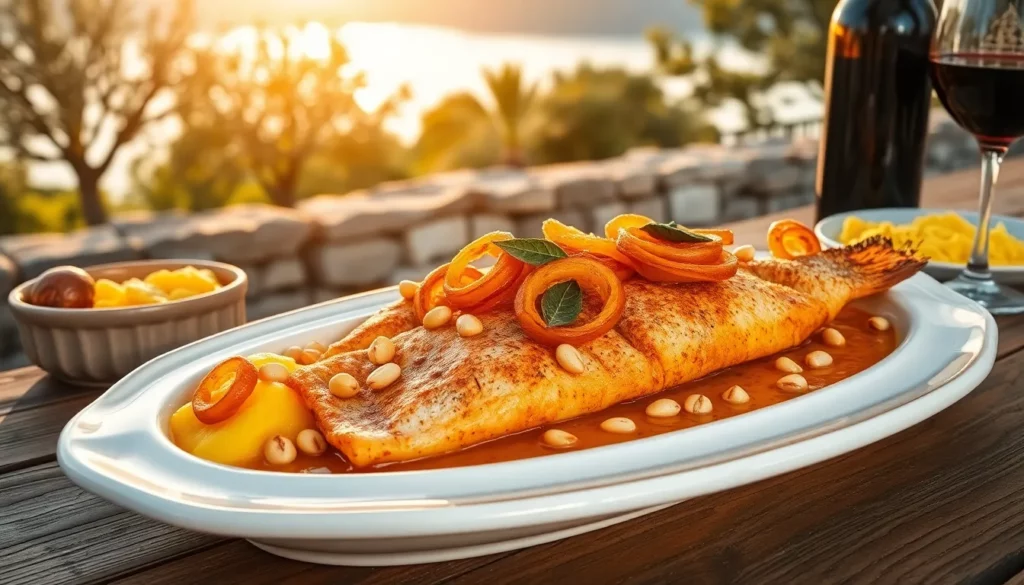
Carpione is a traditional Italian method of preserving fried fish in a sweet-and-sour marinade made with vinegar, onions, herbs, and often pine nuts and raisins. Originating from the Lake Garda region in northern Italy, it is a classic example of Italian agrodolce (sweet-and-sour) cuisine. Key ingredients include freshwater fish such as trout, carp, or perch, white wine vinegar, onions, bay leaves, and sometimes flour for dusting. The fish is first fried, then submerged in a simmered marinade and left to rest for at least 24 hours, allowing the flavors to meld.
Origin & History
Carpione dates back to at least the Renaissance, with documented references in 16th-century cookbooks. It was a practical method to preserve fish without refrigeration, common in lake regions where freshwater fish was abundant. The name derives from carpione, meaning “carp,” though the technique was applied to various fish. Anecdotal history suggests it was a staple for fishermen and travelers, as the marinade kept the fish edible for days. Contrary to some myths, Carpione is not related to carpaccio (raw beef) nor is it a southern Italian dish; its roots are firmly in the northern lake districts.
What’s In It
Core ingredients include fresh fish (trout, perch, tench, or carp), flour for dredging, olive oil for frying, white wine vinegar, onions, garlic, bay leaves, rosemary, juniper berries, salt, and pepper. Variations may incorporate pine nuts, raisins, or saffron for added depth. The marinade is prepared by sautéing sliced onions in olive oil, adding vinegar, herbs, and spices, then simmering briefly. This hot liquid is poured over the fried fish, which is then cooled and refrigerated. Carpione differs from Spanish escabeche (which often uses additional spices like paprika) and Latin American ceviche (which relies on raw fish acid-cooked). In Carpione, the fish is fully cooked before marination.

Regional Variations
While Carpione is most associated with Lake Garda, it appears in several northern Italian regions with distinct adaptations. The table below highlights key differences:
| Region | Fish | Key Marinade Ingredients |
|---|---|---|
| Lake Garda (Lombardy/Veneto) | Trout, perch | Onions, white wine vinegar, bay leaves, pine nuts |
| Piedmont | Carp, tench | Garlic, rosemary, juniper berries |
| Emilia-Romagna | Eel | Vinegar, sugar, raisins, sometimes saffron |
In Piedmont, the marinade tends to be more herbaceous, while Emilia-Romagna versions are sweeter. Some coastal areas use sea fish like mackerel, but the classic remains freshwater.
How It’s Traditionally Eaten
Carpione is typically served as a secondo (main course) or as an antipasto at room temperature. It is often accompanied by polenta, crusty bread, or a simple green salad. The dish pairs well with light red wines such as Bardolino or a crisp white like Lugana. Carpione is enjoyed both as an everyday summer meal and on festive occasions, including Easter and Christmas Eve in some northern households. Because it keeps well, it is also a popular choice for picnics and buffets.
Common Mistakes / What It’s Not
A frequent misconception is that Carpione is a pasta dish or a raw fish preparation. It is neither. American-Italian versions sometimes add excessive sugar or use canned fish, which compromises the authentic balance of vinegar and natural sweetness from onions. Another error is serving it hot; traditional Carpione is meant to be eaten at room temperature or slightly chilled. It is also not a southern Italian specialty; its home is the lake regions of the north. To experience true Carpione, look for freshly fried fish marinated in a well-balanced agrodolce sauce, not a sugary glaze.
Where to Try It / What to Order
For an authentic experience, visit towns around Lake Garda such as Sirmione, Desenzano del Garda, or Riva del Garda. Local trattorias and osterie often feature trota in carpione (trout) or persico in carpione (perch). The annual Sagra del Pesce (Fish Festival) in various lake communities celebrates this dish. When ordering, ask for it as an antipasto to share, or as a secondo with polenta. Avoid versions that appear overly syrupy or are served hot; these are not traditional.
Related Dishes
FAQ
What is Carpione?
Carpione is a traditional Italian dish of fried fish marinated in a sweet-and-sour vinegar sauce with onions, herbs, and often pine nuts and raisins. It originated in the Lake Garda region as a preservation method.
How is Carpione different from escabeche?
While both involve fried fish in a vinegar marinade, Carpione uses a simpler herb profile (bay, rosemary, juniper) and often includes pine nuts or raisins. Escabeche typically includes paprika and more spices, and is common in Spain and Latin America.
Can Carpione be made with other fish?
Yes, although freshwater fish like trout, perch, and carp are traditional, variations use eel, mackerel, or even sea bass. The key is the marinade technique.
How long does Carpione last?
Properly stored in the refrigerator, Carpione can last up to 4–5 days. The marinade acts as a preservative, and the flavor improves over time.
Is Carpione served hot or cold?
Carpione is traditionally served at room temperature or slightly chilled, never hot. It is often prepared a day in advance to allow the flavors to meld.
What wine pairs with Carpione?
Light red wines like Bardolino or Valpolicella, or crisp whites such as Lugana or Pinot Grigio, complement the dish's acidity and sweetness.


Leave a Reply