
Short Answer
What It Is
Mirtillo is the Italian term for blueberry, but in the Italian culinary context, it primarily refers to the wild bilberry (Vaccinium myrtillus), a small, intensely flavored berry native to the mountainous and forested regions of Europe. While the cultivated highbush blueberry (Vaccinium corymbosum) is also grown in Italy, the wild mirtillo nero (black bilberry) is prized for its deep, complex taste and historical significance. For centuries, these berries have been foraged in the Alps, Apennines, and other upland areas, playing a role in traditional medicine and local cuisine.
In terms of certification, fresh mirtillo does not hold a DOP (Denominazione di Origine Protetta) status. However, the wild bilberry from Piedmont is recognized as a Prodotto Agroalimentare Tradizionale (PAT), a designation that highlights its traditional production methods. Some artisanal preserves and liqueurs made from mirtillo have received IGP (Indicazione Geografica Protetta) recognition, such as the Marmellata di Mirtilli della Val di Susa. The Italian Ministry of Agricultural Policies oversees these labels, ensuring authenticity and regional identity.
Types & Grades
Mirtillo is available in several forms, each suited to different culinary applications. The table below outlines the primary types and their characteristics.
| Type | Scientific Name | Size & Color | Flavor Profile | Common Forms |
|---|---|---|---|---|
| Wild Bilberry (Mirtillo Nero) | Vaccinium myrtillus | Small (5–8 mm), dark blue to black with a silvery bloom | Intensely sweet-tart, earthy, with floral notes | Fresh, frozen, dried, puree, jam, liqueur |
| Cultivated Highbush (Mirtillo Gigante) | Vaccinium corymbosum | Larger (10–20 mm), light to medium blue | Milder, sweeter, less complex | Fresh, frozen, juice, dried |
| Lowbush Blueberry (Mirtillo Selvatico) | Vaccinium angustifolium (rare in Italy) | Small, similar to wild bilberry | Similar to wild but less intense | Fresh, frozen |
Grades are not officially standardized, but quality distinctions are made based on origin, harvest method (wild vs. cultivated), and processing. For fresh berries, look for firm, dry fruit with a uniform bloom. In processed forms, premium products list mirtillo as the first ingredient and avoid added flavors or excessive sugar.
How It’s Used in Cooking
Mirtillo is a versatile ingredient in Italian cuisine, appearing in both sweet and savory dishes. Its natural acidity and deep fruitiness complement a wide range of preparations.
Sweet Applications
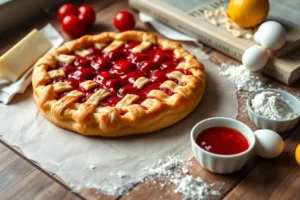
- Crostata di Mirtilli: A classic tart with a shortcrust pastry and mirtillo jam or fresh berries.
- Gelato e Sorbetto: Wild bilberry gelato is a summer staple, often made with fresh puree.
- Confettura di Mirtilli: Artisanal jams, sometimes combined with apple or lemon, are spread on bread or used in pastries.
- Grappa al Mirtillo: A traditional liqueur where wild berries are macerated in grappa, producing a deep ruby-red digestif.
Savory Pairings
- Polenta e Mirtilli: A rustic dish from the Alps, where creamy polenta is topped with sautéed wild bilberries and a knob of butter.
- Risotto ai Mirtilli: A surprising but harmonious combination, often with Gorgonzola or Parmigiano-Reggiano.
- Game Sauces: Mirtillo’s acidity cuts through the richness of venison, wild boar, or duck. A reduction of mirtillo, red wine, and rosemary is classic.
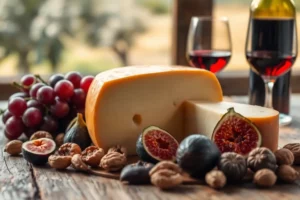
- Formaggi: Fresh mirtillo pairs well with aged pecorino or soft robiola; a drizzle of mirtillo syrup enhances the cheese board.
“Il mirtillo nero è il frutto del bosco per eccellenza: piccolo, scuro, e pieno di sapore. In montagna lo raccogliamo a fine estate e lo usiamo per tutto l’anno.” – Traditional saying from the Piedmont region.
How to Choose/Identify Authentic MIRTILLO
For those seeking genuine Italian mirtillo, especially the wild variety, consider the following cues:
- Appearance: Wild bilberries are small (5–8 mm), nearly black with a distinct silvery bloom. Cultivated berries are larger and lighter. Avoid berries that are mushy, shriveled, or have white mold.
- Aroma: Fresh wild mirtillo has an intense, sweet-earthly fragrance. Cultivated berries smell milder.
- Labeling: Look for “Mirtillo nero di Piemonte” (PAT) or “Mirtillo della Val di Susa” on packaging. For processed products, check for IGP marks or “Prodotto Tradizionale” wording.
- Season: Wild bilberries are harvested from late July to September. Out-of-season fresh berries are likely imported or cultivated.
- Texture: Authentic wild berries are firm but yield slightly to pressure. They should not be overly juicy or leak.
- Price: Wild mirtillo commands a premium due to labor-intensive foraging. Extremely cheap products may be diluted or use inferior fruit.
When buying jam or syrup, read the ingredient list: authentic products list mirtillo as the first ingredient, with no added artificial flavors or colors. The color should be deep purple, not bright red.
Substitutes
In Italian cooking, several other berries can substitute for mirtillo, though each brings a distinct character. The choice depends on the dish and desired flavor profile.
- Ribes (Currant): Red or black currants offer similar tartness and are often used in jams and sauces. Black currant is closer to wild bilberry in intensity.
- Mora (Blackberry): Larger and sweeter, blackberries work well in tarts and with game, but lack the floral notes of mirtillo.
- Lampone (Raspberry): More delicate and perfumed, raspberries are a good substitute in desserts, though they are less acidic.
- Amarena (Sour Cherry): In preserves and syrups, amarena cherries provide a similar sweet-sour balance, especially in cocktails or over ice cream.
- Prugna (Plum): For savory sauces, plums can mimic the body and acidity of mirtillo, but the flavor is less complex.
When substituting, adjust sugar and acid levels accordingly. For a closer match to wild mirtillo, combine black currant with a touch of lemon juice and a pinch of cinnamon.
Conclusion
Mirtillo, whether foraged from alpine slopes or cultivated in orderly rows, is a cornerstone of Italian berry cuisine. Its dual identity as both a wild treasure and a cultivated crop offers a spectrum of flavors and uses. Understanding the differences between types, recognizing authenticity markers, and knowing how to substitute when necessary empowers cooks to honor this ingredient in traditional and innovative ways. From a simple crostata to a complex game sauce, mirtillo brings a taste of the Italian landscape to the table.
FAQ
What is the difference between mirtillo and blueberry?
In Italy, 'mirtillo' generally refers to the wild bilberry (Vaccinium myrtillus), which is smaller, darker, and more intensely flavored than the common highbush blueberry (Vaccinium corymbosum). The latter is also called 'mirtillo gigante' or 'mirtillo americano' and is milder and larger.
Is mirtillo DOP certified?
Fresh mirtillo does not have DOP status. However, the wild bilberry from Piedmont is recognized as a PAT (Prodotto Agroalimentare Tradizionale). Some processed products, such as marmalades from specific valleys, have received IGP certification.
How can I use mirtillo in savory dishes?
Mirtillo pairs excellently with game meats like venison and wild boar. A classic preparation is a reduction of mirtillo, red wine, and rosemary. It also works in risotto (often with Gorgonzola) or as a topping for polenta. The acidity balances rich, fatty flavors.
Leave a Reply