
Short Answer
What It Is
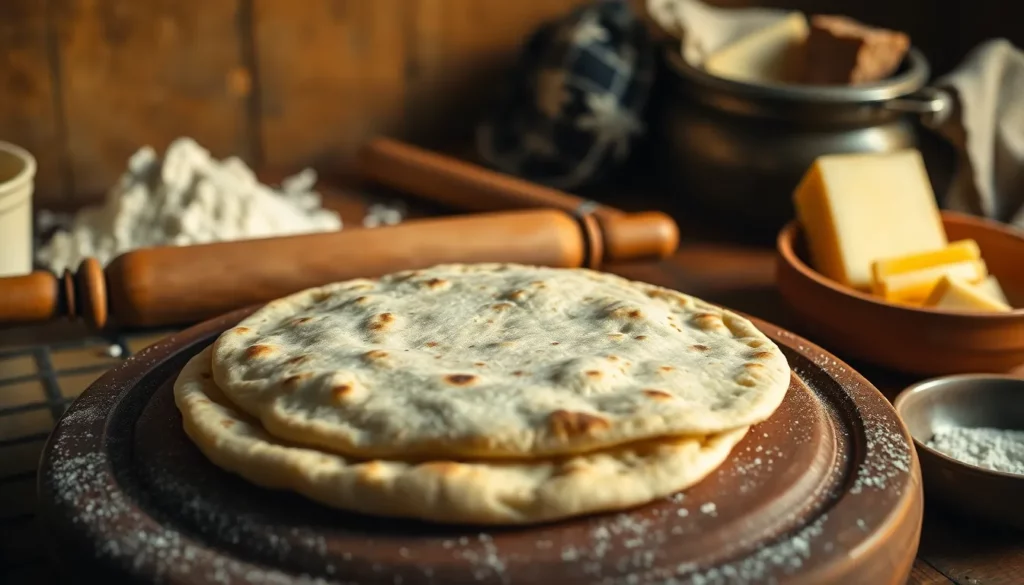
Piadine (singular: piadina) are thin, unleavened flatbreads originating from the Romagna subregion of Emilia-Romagna in northern Italy. Recognized with Indicazione Geografica Protetta (IGP) status since 2014, piadine are a cornerstone of Romagnola street food and home cooking. The dough is traditionally made from soft wheat flour, water, salt, and either lard (strutto) or olive oil, then rolled out into discs about 2–3 mm thick and cooked on a hot terracotta or metal griddle called a testo. The result is a pliable, slightly crisp flatbread with a characteristic spotted surface from the cooking process.
Historical evidence traces piadine back to ancient Roman puls (a type of porridge) and later to medieval flatbreads cooked on stones. However, the modern piadina as we know it solidified in the 19th and 20th centuries in the provinces of Forlì-Cesena, Rimini, and Ravenna. The IGP specification strictly defines the production area, ingredients, and methods, ensuring that only flatbreads made within the designated zone and following traditional practices can bear the official Piadina Romagnola IGP label.
“La piadina è il pane dei poveri, ma è ricca di sapore.” — Traditional Romagnola saying
Types & Grades
Piadine come in several recognized varieties, each with distinct characteristics. The table below summarizes the main types and their attributes.
| Type | Key Ingredients | Characteristics | Typical Use |
|---|---|---|---|
| Piadina Romagnola IGP (Traditional) | Soft wheat flour, lard, water, salt | Thin, soft, slightly crisp; rich flavor from lard | Savory fillings (cheese, cured meats) |
| Piadina all’olio d’oliva | Soft wheat flour, extra virgin olive oil, water, salt | Lighter, more delicate; suitable for vegetarians | Both savory and sweet fillings |
| Piadina di farina di mais (Cornmeal) | Mixture of wheat and corn flour, lard or oil | Grainier texture, slightly sweet; gluten content lower | Traditional pairing with squacquerone cheese |
| Piadina integrale (Whole wheat) | Whole wheat flour, lard or oil, water, salt | Nutty flavor, denser; higher fiber | Health-conscious fillings |
| Piadina senza strutto (Lard-free) | Wheat flour, olive oil or vegetable fat, water, salt | Vegan-friendly; often used in modern interpretations | Any filling |
In terms of grades, piadine are classified by production scale: artisanal (fresh, made daily in small bakeries or by hand) and industrial (packaged, longer shelf life). Artisanal piadine are preferred for their superior texture and flavor, while industrial versions are convenient but often contain preservatives and lack the authentic taste of the traditional product.
How It’s Used in Cooking
Piadine are incredibly versatile and serve as both a bread substitute and a wrap. In traditional Romagnola cuisine, they are most commonly filled with a combination of squacquerone (a soft, tangy cheese), prosciutto crudo, and rucola (arugula). Other classic fillings include salame, formaggio di fossa (aged cheese), grilled vegetables, or simply a drizzle of extra virgin olive oil and salt.
Signature Dishes
- Piadina con prosciutto e squacquerone – The most iconic combination, often served warm.
- Piadina con salame e formaggio – A hearty option with local salami and melting cheese.
- Piadina dolce – Sweet versions filled with Nutella, jam, or ricotta and honey.
- Piadina fritta – A variation where the dough is deep-fried instead of griddled, resulting in a puffy, crispy texture.
Beyond fillings, piadine can be cut into wedges and served alongside soups (e.g., passatelli in brodo) or grilled meats. They also make excellent bases for bruschetta or as a side for antipasti platters.
How to Choose/Identify Authentic Piadine
For commercial buyers and home cooks alike, identifying authentic piadine is crucial to ensure quality and respect for tradition. Follow these cues:
- Look for the IGP label – The official “Piadina Romagnola IGP” mark guarantees origin and adherence to production standards.
- Check the ingredient list – Authentic piadine contain only flour, water, salt, and lard or olive oil. Avoid products with preservatives, artificial flavors, or excessive additives.
- Examine thickness – Genuine piadine are thin (2–3 mm). Thicker, puffy flatbreads are likely not traditional.
- Observe the cooking marks – Traditional piadine have irregular brown spots from the testo. Uniform browning may indicate industrial processing.
- Feel the texture – Fresh piadine should be soft and pliable, with a slight crispness on the surface. They should not be brittle or rubbery.
- Ask about the cooking surface – Artisanal producers use a testo (terracotta or metal). If the piadina is made on a standard flat-top grill, it may lack authenticity.
When purchasing packaged piadine, opt for brands that specify “prodotto in Romagna” and have a short shelf life (indicating minimal preservatives).
Substitutes
While nothing fully replicates the unique texture and flavor of an authentic piadina, several Italian flatbreads can serve as substitutes in specific contexts:
- Crescione – A similar flatbread from the same region, but folded over a filling before cooking (like a calzone). Use when a sealed pocket is desired.
- Tigelle – Small, thick discs from the Modena area, cooked in special molds. They are denser and chewier; ideal for splitting and filling.
- Piadina fritta – A fried version that is crispier and more indulgent; suitable when a crunchier texture is needed.
- Pane carasau – Sardinian thin, crispy flatbread; works as a cracker-like substitute for dipping or topping, but lacks pliability.
For gluten-free needs, consider farina di riso or ceci flatbreads, though they are not traditional substitutes.
Conclusion
Piadine are more than just a flatbread; they are a symbol of Romagnola culinary heritage, protected by IGP status and cherished for their simplicity and versatility. Whether enjoyed fresh from a street vendor in Rimini or recreated at home, understanding the types, authentic characteristics, and proper uses of piadine elevates any meal. By choosing genuine IGP-labeled products and respecting traditional fillings, you honor centuries of Italian food culture.
FAQ
What is the difference between piadina and tortilla?
Piadina is thicker and softer than a tortilla, made with lard or olive oil, and cooked on a griddle. Tortillas are typically made with corn or wheat flour and are thinner and more pliable. Piadina has a richer flavor due to the fat content and is a staple of Italian Romagna cuisine.
Is piadina gluten-free?
Traditional piadina is made from wheat flour and therefore contains gluten. However, gluten-free versions using rice flour or other blends exist, but they are not considered authentic and do not carry IGP certification.
Can I make piadina at home?
Yes, piadina is relatively simple to make at home. The basic dough requires flour, water, salt, and lard or olive oil. Roll it thin and cook on a hot skillet or griddle. For best results, use a traditional testo if available.
What is the best way to reheat piadina?
To restore its soft, slightly crisp texture, reheat piadina on a dry hot skillet or griddle for about 30 seconds per side. Avoid microwaving, as it makes the bread rubbery.
What does the IGP certification for piadina guarantee?
The IGP (Indicazione Geografica Protetta) certification guarantees that the piadina is produced in the designated region of Romagna using traditional ingredients and methods, ensuring authenticity and quality.
Leave a Reply