
Short Answer
What It Is
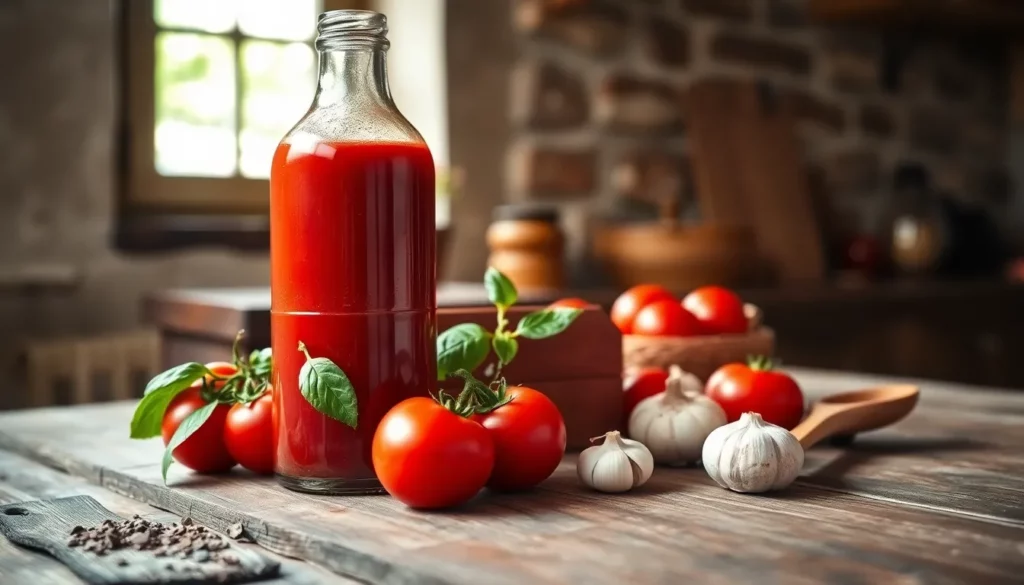
Passata (pronounced pah-SAH-tah) is a strained tomato puree that is a cornerstone of Italian home cooking and professional cuisine. Unlike tomato sauce or paste, passata is made from fresh, ripe tomatoes that are briefly heated, then passed through a fine sieve or food mill to remove skins and seeds. The result is a smooth, thick liquid with a bright, concentrated tomato flavor and a texture that is neither watery nor pasty.
The production of passata is deeply rooted in southern Italy, particularly in the Campania region, where the volcanic soil and Mediterranean climate produce the prized San Marzano tomato. While passata itself does not carry a DOP (Denominazione di Origine Protetta) designation, many producers use DOP-certified San Marzano tomatoes, which are protected under EU law. The traditional method involves harvesting tomatoes at peak ripeness, washing them, and passing them through a machine called a passaverdure (food mill). The puree is then bottled or jarred without any additives—no preservatives, no added water, and often no salt. This purity is what distinguishes high-quality passata from generic tomato purees.
Historically, passata was a way to preserve the summer tomato harvest for year-round use. Italian families would spend days canning passata in glass bottles, a tradition still practiced in many homes today. The word itself comes from the Italian verb passare, meaning “to pass” or “to strain,” reflecting the essential step of removing solids.
Types & Grades
Passata is available in several grades and styles, each suited to different culinary applications. The table below summarizes the main types:
| Type | Description | Best Use |
|---|---|---|
| Classic Passata | Smooth, strained puree from whole tomatoes; no additives. | All-purpose sauces, soups, stews. |
| Passata Rustica | Coarser texture with small tomato pieces; less strained. | Chunky sauces, vegetable dishes, rustic pasta. |
| Passata con Basilico | Passata infused with fresh basil during processing. | Quick pasta sauces, pizza base. |
| Organic Passata | Made from organically grown tomatoes; no synthetic pesticides. | Health-conscious cooking, premium dishes. |
| Passata di Pomodoro di Napoli | Produced in the Naples area using local tomato varieties; often DOP tomatoes. | Authentic Neapolitan pizza and pasta. |
Within these categories, quality is determined by the tomato variety, ripeness, and production method. The finest passata is made from San Marzano tomatoes, which are known for their sweet, low-acid flavor and dense flesh. Some artisanal producers also use other heirloom varieties like Piennolo or Riccio.
How It’s Used in Cooking
Passata is a versatile ingredient that serves as the base for many classic Italian dishes. Its smooth consistency and pure tomato flavor make it ideal for:
- Pasta sauces – The foundation of marinara, arrabbiata, and puttanesca sauces. Passata provides a silky texture that clings to pasta without being heavy.
- Pizza – Neapolitan pizza traditionally uses passata as the sauce, spread thinly over the dough before adding toppings. Its low water content prevents a soggy crust.
- Soups and stews – Added to minestrone, ribollita, or fish stews for depth and color.
- Braising liquids – Used in osso buco or chicken cacciatore to create a rich, tomatoey sauce.
- Condiments – Reduced and seasoned to make a quick tomato jam or chutney.
One signature dish that relies on passata is Pasta al Pomodoro, a simple yet iconic recipe where passata is simmered with garlic, basil, and olive oil, then tossed with al dente spaghetti. The purity of the passata allows the tomato flavor to shine.
“La passata è l’anima della cucina italiana: senza di essa, molti piatti perderebbero la loro identità.” – Traditional Italian saying (translation: “Passata is the soul of Italian cuisine: without it, many dishes would lose their identity.”)
How to Choose/Identify Authentic PASSATA
When shopping for passata, especially for authentic Italian recipes, consider the following cues:
- Check the ingredient list – Authentic passata contains only tomatoes (and possibly salt). Avoid products with added water, sugar, citric acid, or preservatives.
- Look for DOP tomatoes – If the label states “San Marzano dell’Agro Sarnese-Nocerino DOP,” the tomatoes are certified and of the highest quality.
- Packaging – Glass bottles or jars are preferred because they preserve flavor and do not react with the acidic tomatoes. Some premium brands use dark glass to protect from light.
- Color and consistency – Authentic passata is a deep red, not orange or brown. It should be thick but pourable, not watery or pasty.
- Brand reputation – Trusted Italian brands include Mutti, Cirio, La Fiammante, and smaller artisanal producers. Imported passata from Italy is generally more reliable than domestic imitations.
- Certifications – Look for IGP (Indicazione Geografica Protetta) or organic certifications if desired.
For commercial buyers, such as restaurants or food manufacturers, it is also important to verify the Brix value (sugar content) and acidity, which affect cooking performance. A typical passata has a Brix of 7–9° and a pH around 4.3–4.5.
Substitutes
While passata is unique, several Italian alternatives can be used in a pinch:
- Tomato puree – In the US, “tomato puree” is often similar but may contain added water or citric acid. It can replace passata in equal measure, but the flavor may be less vibrant.
- Crushed tomatoes – These are chunkier and less smooth. If a recipe calls for passata, you can blend crushed tomatoes briefly to achieve a similar texture.
- Tomato sauce – Canned tomato sauce is usually cooked and seasoned, so it is not a direct substitute for passata in recipes where pure tomato flavor is needed. Use only if you adjust seasonings.
- Fresh tomato pulp – In summer, you can make your own passata by blanching, peeling, and seeding fresh tomatoes, then pureeing and straining them. This is the most authentic substitute.
Each substitute alters the final dish slightly, so for traditional Italian recipes, sourcing real passata is recommended.
Conclusion
Passata is more than just a convenience product; it is a testament to the Italian philosophy of letting high-quality ingredients speak for themselves. Whether you are making a simple weeknight pasta or a complex Sunday ragù, passata provides the pure, unadulterated tomato flavor that defines so many beloved dishes. By understanding its production, types, and authenticity markers, you can elevate your cooking and bring a taste of Italy into your kitchen.
FAQ
What is the difference between passata and tomato puree?
Passata is a specific type of tomato puree made from strained, uncooked tomatoes, with no added water or seasonings. In contrast, tomato puree (especially in the US) may be cooked, have added water or citric acid, and can be less consistent in texture. Authentic passata is always 100% tomatoes (sometimes with salt) and has a bright, fresh flavor.
Can I use passata for pizza?
Yes, passata is the traditional sauce for Neapolitan pizza. Its smooth texture and low water content help prevent a soggy crust. Simply spread a thin layer over the dough before adding toppings. For best results, use passata made from San Marzano tomatoes.
How should I store passata after opening?
Once opened, transfer the passata to a clean, airtight container and refrigerate. It will keep for 5–7 days. For longer storage, you can freeze passata in ice cube trays or small portions. Avoid storing in the original can if it came in a metal container; glass is best.


Leave a Reply