
Short Answer
What It Is
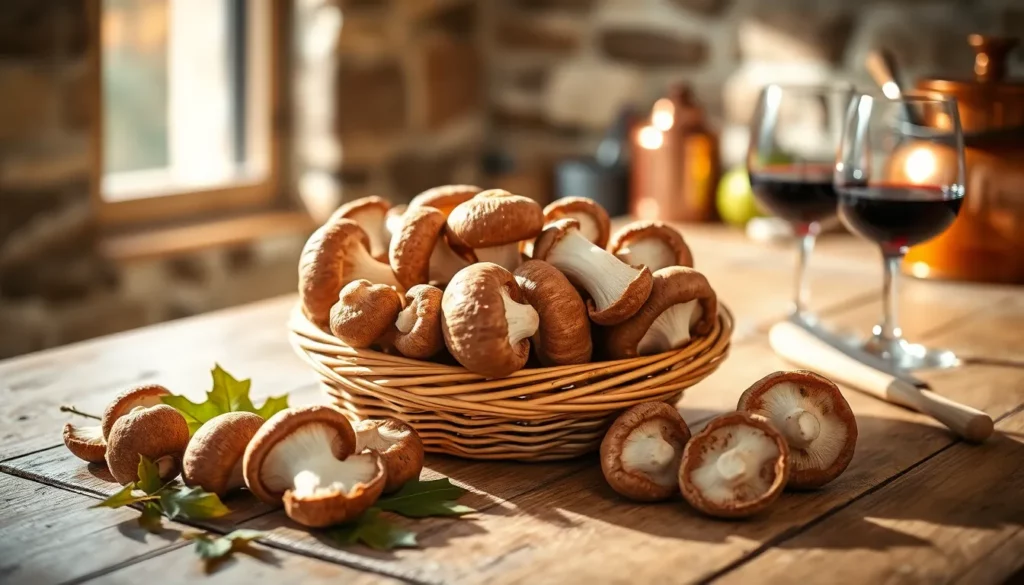
Porcini (singular: porcino) are the common name for a group of wild mushrooms belonging to the genus Boletus, primarily Boletus edulis and its close relatives B. aereus, B. pinophilus, and B. reticulatus. These mushrooms are ectomycorrhizal, forming symbiotic relationships with the roots of trees such as oak, chestnut, beech, and pine. Unlike cultivated mushrooms, porcini cannot be farmed commercially; they are foraged from the wild, which contributes to their rarity and high value.
Italy is the heart of porcini production, with the most renowned foraging regions including Tuscany, Piedmont, Trentino, and Emilia-Romagna. The Porcino di Borgotaro (from the Borgotaro area in Emilia-Romagna) holds a Protected Designation of Origin (DOP) status, ensuring that only mushrooms harvested within the designated territory and meeting strict quality standards can bear the label. Additionally, several Italian porcini products, such as dried porcini from specific regions, have received Protected Geographical Indication (PGI) recognition. Historical records show that porcini were enjoyed by the ancient Romans, who prized them as a delicacy fit for emperors. Today, they remain a cornerstone of Italian gastronomy, often called il re dei funghi (the king of mushrooms).
Types & Grades
Porcini are classified by species, size, maturity, and processing method. The table below outlines the main grades and their characteristics.

| Grade / Type | Characteristics | Typical Use |
|---|---|---|
| Fresh Porcini (Prima Scelta) | Firm, unblemished caps; white pores; no insect damage; harvested at peak maturity | Risotto, pasta, grilled, sautéed |
| Fresh Porcini (Seconda Scelta) | Minor blemishes, slight insect holes, or slightly open caps | Soups, sauces, or immediate consumption |
| Dried Porcini (Interi) | Whole, thick slices; uniform light brown color; intense aroma | Rehydrated for risotto, stews, or as flavor base |
| Dried Porcini (Rotti / Pezzi) | Broken pieces or smaller fragments; still high quality | Powder, sauces, or economical cooking |
| Porcini Powder | Finely ground dried porcini; concentrated umami | Seasoning, rubs, or flavor enhancer |
| Porcini in Oil / Sott’olio | Preserved in olive oil with herbs; ready to eat | Antipasti, salads, or as a condiment |
Within fresh porcini, connoisseurs distinguish by species: Boletus edulis (the classic), B. aereus (dark cap, firmer), B. pinophilus (reddish cap, pine forests), and B. reticulatus (fine netting on stem). Each has subtle flavor differences, but all are highly prized.
How It’s Used in Cooking
Porcini are incredibly versatile and are a staple in traditional Italian cooking. Their deep, earthy, nutty flavor intensifies when dried, making them indispensable in many dishes.
“Il porcino è il re dei funghi: in cucina non ha rivali.” – Traditional Italian saying
Signature Dishes:
- Risotto ai Porcini – Arborio or Carnaroli rice slowly cooked with rehydrated dried porcini and their soaking liquid, finished with Parmigiano-Reggiano and butter.
- Tagliatelle ai Porcini – Fresh egg pasta tossed with sautéed fresh porcini, garlic, parsley, and a touch of cream or white wine.
- Crostini con Porcini – Toasted bread topped with a sautéed mixture of porcini, garlic, and olive oil, often served as an antipasto.
- Zuppa di Porcini – A rustic soup made with fresh or dried porcini, vegetable broth, and herbs.
- Porcini Sott’olio – Preserved in olive oil, used as a condiment for meats or cheeses.
Cooking Techniques: Fresh porcini should be cleaned with a soft brush or damp cloth (never soaked). They are best sautéed in butter or olive oil over medium heat until golden. Dried porcini are rehydrated in warm water for 20–30 minutes; the liquid is strained and used as a flavorful broth. Porcini powder can be added directly to sauces, soups, or even sprinkled on popcorn for an umami boost.
How to Choose/Identify Authentic PORCINI
When buying porcini, authenticity and quality are paramount. Follow these guidelines:
- Fresh Porcini: Look for firm, heavy mushrooms with a clean, earthy smell. The cap should be dry, not slimy, and the pores (underside) should be white or pale yellow, not greenish (which indicates age). Avoid any with mold, excessive insect holes, or a sour odor.
- Dried Porcini: Choose whole slices over broken pieces when possible. Authentic Italian dried porcini have a uniform light brown color and a strong, pleasant aroma. Avoid products that are dark, dusty, or smell musty. Check the label for origin – Italian (especially from Tuscany, Piedmont, or Borgotaro DOP) is preferred. Be wary of cheap imports from China or Eastern Europe, which may be inferior or mislabeled.
- Packaging: Look for DOP or PGI certifications on the package. For Porcino di Borgotaro DOP, the label will include the EU DOP logo and a lot number. Reputable brands often indicate the harvest year and region.
- Smell Test: Authentic porcini have a distinctive, intense aroma reminiscent of earth, nuts, and forest floor. If the smell is weak or off-putting, the mushrooms are likely old or of poor quality.
- Price: Genuine Italian porcini command a premium. If the price seems too good to be true, the product may be adulterated or of low grade.
Substitutes
While no substitute perfectly replicates the unique flavor of porcini, several Italian alternatives can be used in a pinch:
- Chanterelles (Finferli / Gallinacci) – These golden mushrooms have a fruity, peppery note and a firm texture. They work well in risotto or pasta but lack the deep umami of porcini.
- Morels (Spugnole) – With a honeycomb appearance and earthy, nutty flavor, morels are a luxurious substitute, though they are equally expensive and seasonal.
- Oyster Mushrooms (Pleurotus) – Mild and delicate, they can be used in dishes where porcini are not the star, but they will not provide the same intensity.
- Mixed Dried Wild Mushrooms – Often a blend of porcini, chanterelles, and other species, these offer a balanced flavor and are more affordable. Check the label for porcini content.
- Cultivated Cremini or Portobello – While not wild, these mushrooms have a meaty texture and can be combined with a splash of soy sauce or mushroom powder to approximate umami. They are best used in soups or sauces where porcini are a background note.
When substituting, consider the dish: for risotto or pasta where porcini are the main flavor, use high-quality dried porcini or a mix. For a budget-friendly option, use cremini with a pinch of porcini powder.
Conclusion – Porcini mushrooms are a treasure of Italian cuisine, revered for their unparalleled flavor and versatility. Whether fresh or dried, they elevate simple dishes into culinary masterpieces. When purchasing, prioritize authentic Italian sources with DOP/PGI labels, and store them properly to preserve their aroma. While substitutes exist, nothing matches the true porcini experience. Embrace the king of mushrooms in your cooking and savor the taste of Italy’s forests.
FAQ
What is the best way to rehydrate dried porcini?
Place the dried porcini in a bowl and cover with warm (not boiling) water. Let them soak for 20–30 minutes until soft. Remove the mushrooms with a slotted spoon, then strain the soaking liquid through a fine-mesh sieve or coffee filter to remove any grit. Use both the rehydrated mushrooms and the liquid in your recipe for maximum flavor.
Can you eat porcini raw?
While fresh porcini are technically edible raw, they are rarely eaten that way due to their tough texture and potential for digestive discomfort. Cooking enhances their flavor and makes them more digestible. If you wish to try them raw, slice very thinly and marinate in olive oil, lemon juice, and salt for a carpaccio-style dish.
How should I store fresh porcini?
Fresh porcini are highly perishable. Store them in a paper bag in the refrigerator, not in plastic, which traps moisture and promotes spoilage. Use them within 3–5 days. Do not wash them until just before use; instead, brush off dirt with a soft brush or damp cloth.
Leave a Reply