
Short Answer
What It Is
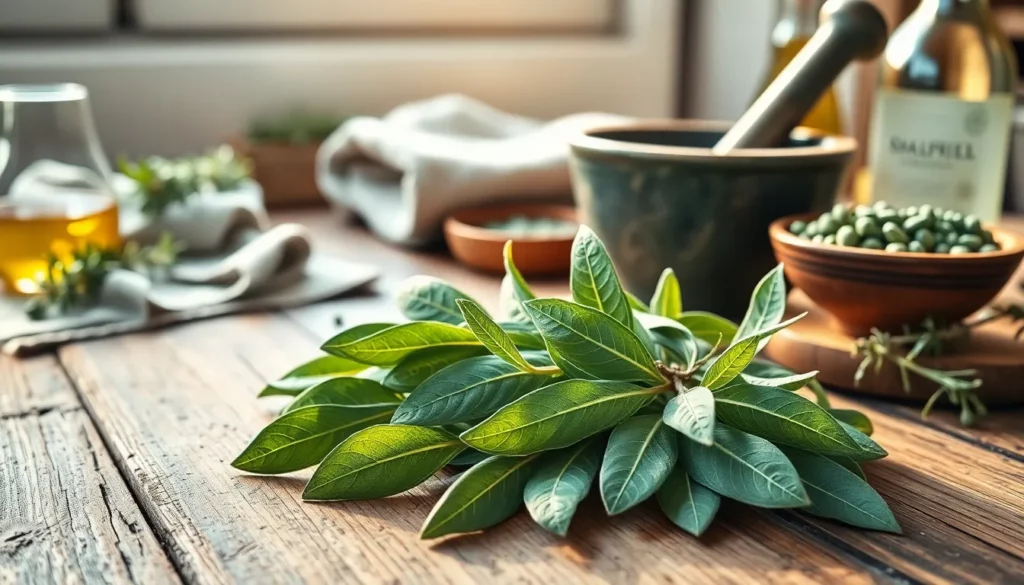
Salvia, commonly known as sage, is a perennial evergreen herb belonging to the mint family (Lamiaceae). The most widely used culinary species is Salvia officinalis, native to the Mediterranean basin and cultivated in Italy for centuries. Sage thrives in the sunny, well‑drained soils of central and southern Italy, particularly in the regions of Lazio, Tuscany, and Liguria, where it has become an essential ingredient in both rustic and refined dishes.
Historically, sage was revered by the Romans as a sacred herb with medicinal properties; the Latin name salvia derives from salvare (to heal). In medieval monastic gardens, sage was grown alongside other aromatics for use in cooking and herbal remedies. Today, while sage itself does not carry a DOP or PGI designation, it is a key component in several DOP‑protected preparations, such as Saltimbocca alla Romana (veal with prosciutto and sage) and Risotto alla Milanese (where sage butter is often used). The Italian Ministry of Agricultural Policies recognizes sage as a traditional aromatic herb, and its cultivation is governed by strict quality standards for organic and conventional production.
Fresh sage leaves are harvested from late spring through early summer, though the plant remains evergreen in mild climates. The leaves are velvety, gray‑green, and highly aromatic, with a flavor that combines earthiness, slight bitterness, and a hint of mint and eucalyptus. Dried sage, whether whole, rubbed, or ground, concentrates these notes and is a pantry staple across Italy.
Types & Grades
Sage is available in several varieties and processed forms, each suited to different culinary applications. The table below outlines the most common types and their characteristics.
| Type | Description | Best Use |
|---|---|---|
| Common Sage (Salvia officinalis) | Gray‑green leaves with a strong, earthy, slightly peppery flavor; the standard culinary sage. | Fresh in butter sauces, stuffings, and meat dishes; dried for long‑simmered stews. |
| Purple Sage | Leaves tinged with purple; milder flavor with a hint of fruitiness. | Garnish, salads, and light sauces where color is desired. |
| Tricolor Sage | Variegated leaves with cream, pink, and green; ornamental and mild. | Fresh in salads or as a decorative herb. |
| Pineapple Sage (Salvia elegans) | Bright green leaves with a sweet, fruity aroma reminiscent of pineapple. | Infusions, desserts, and fruit salads; not typical in savory Italian cooking. |
| Clary Sage (Salvia sclarea) | Large, hairy leaves with a musky, floral scent; used in liqueurs and perfumery. | Rarely in cooking; more common in amari and herbal teas. |
In terms of grades, sage is sold as:
- Fresh whole leaves – sold in bunches, best for immediate use; can be refrigerated for up to a week.
- Dried whole leaves – retain more essential oils than crushed forms; ideal for infusing oils or broths.
- Rubbed sage – dried leaves crumbled into a coarse powder; convenient for seasoning blends.
- Ground sage – finely powdered; potent and best used sparingly in sauces and rubs.
How It’s Used in Cooking
Sage is a versatile herb that appears in many classic Italian dishes. Its robust flavor stands up to rich ingredients like butter, pork, and cheese, while its aromatic notes complement lighter fare such as vegetables and legumes.
Traditional Applications
- Burro e Salvia – The simplest and most iconic use: melt butter with fresh sage leaves until the leaves crisp, then toss with fresh pasta (gnocchi, ravioli, or tagliatelle). This sauce is a staple of Tuscan and Roman cooking.
- Saltimbocca alla Romana – Veal scallops topped with prosciutto and a fresh sage leaf, secured with a toothpick and sautéed in butter and white wine. The sage infuses the meat with its distinctive aroma.
- Risotto alla Milanese – While saffron is the star, many versions finish the risotto with a swirl of sage‑infused butter for depth.
- Frittata con Salvia – A simple omelette with fresh sage leaves, often combined with Parmesan or pecorino.
- Pollo alla Salvia – Chicken thighs or breasts browned and then simmered with sage, garlic, and white wine or broth.
- Lardo di Colonnata – Sage is sometimes used to season the salt‑cured pork fat, adding herbal notes.
- Fagioli all’Uccelletto – A Tuscan bean stew flavored with sage, tomato, and garlic.
Beyond the Kitchen
Sage is also used in Italian digestifs such as Amaro alle Erbe and in herbal teas believed to aid digestion. The leaves can be fried whole as a garnish or infused into olive oil for drizzling over bruschetta.
“Sage is the herb of wisdom and longevity – a leaf that carries the sun‑baked hills of Italy into every dish.” – Traditional Italian proverb
How to Choose/Identify Authentic SALVIA
Whether buying fresh or dried, selecting high‑quality sage ensures the best flavor. Follow these guidelines:
Fresh Sage
- Appearance: Look for vibrant, gray‑green leaves without yellowing, browning, or wilting. The leaves should be firm and slightly velvety to the touch.
- Aroma: Crush a leaf between your fingers – it should release a strong, earthy, slightly camphoraceous scent. A weak or musty smell indicates age.
- Source: Italian‑grown sage, especially from Lazio or Tuscany, is often more aromatic due to the terroir. Farmers’ markets or specialty Italian grocers are ideal.
- Season: Fresh sage is available year‑round but peaks in spring and early summer. Avoid leaves that are limp or have black spots.
Dried Sage
- Whole leaves are preferable to ground, as they retain more essential oils and flavor. The leaves should be intact, not broken into dust.
- Color: Dried sage should be a muted green; if it appears brown or gray, it is likely old or improperly stored.
- Packaging: Look for airtight, opaque containers. Avoid bulk bins where the herb may have been exposed to light and air.
- Certifications: While no DOP exists for sage, organic certification (EU organic logo) ensures no synthetic pesticides. Some producers label “Salvia di Roma” as a traditional variety – this is a mark of quality, though not legally protected.
Substitutes
If you cannot find authentic Italian sage, or need a different flavor profile, these Italian herbs can stand in:
- Rosemary – More pine‑like and resinous, but works well in roasted meats and potatoes. Use half the amount as rosemary is stronger.
- Thyme – Earthy and slightly floral, thyme is a good substitute in stews, bean dishes, and butter sauces. Use equal amounts.
- Marjoram – Sweeter and milder than oregano, marjoram complements poultry and vegetables. Use fresh leaves for a closer match.
- Savory (Santoreggia) – A lesser‑known Italian herb with a peppery, thyme‑like flavor; excellent in bean dishes and stuffings.
- Combination: For a complex substitute, mix equal parts dried thyme, dried rosemary, and a pinch of dried mint – this mimics sage’s earthy‑minty profile.
When substituting, consider the dish: for butter‑sage sauce, fresh thyme or marjoram can work, but the result will be different. For long‑cooked stews, dried rosemary and thyme are reliable.
Conclusion
Sage (Salvia) is an irreplaceable herb in the Italian kitchen, offering a bridge between ancient traditions and modern cooking. From the simplicity of burro e salvia to the elegance of saltimbocca, its earthy, aromatic leaves elevate a wide range of dishes. By understanding the different types, selecting fresh or dried sage with care, and knowing when to substitute, you can bring the authentic taste of Italy to your table. Whether you are a home cook or a professional chef, sage deserves a permanent place in your spice rack.
FAQ
What is the difference between common sage and pineapple sage?
Common sage (Salvia officinalis) has an earthy, slightly peppery flavor with a hint of mint, while pineapple sage (Salvia elegans) is sweeter and fruity, with a distinct pineapple aroma. Pineapple sage is rarely used in traditional Italian savory dishes; it is more common in desserts, teas, and fruit salads.
Can I use dried sage instead of fresh in recipes?
Yes, but with adjustments. Dried sage is more concentrated, so use about one‑third the amount of fresh sage called for. Add dried sage earlier in the cooking process to allow it to rehydrate and release its flavor. For dishes like butter‑sage sauce, fresh sage is preferred for its texture and delicate aroma.
What is the best way to store fresh sage to keep it fresh longer?
Wrap fresh sage leaves loosely in a damp paper towel, place them in a perforated plastic bag or a container with a lid, and store in the refrigerator. This method keeps the leaves fresh for up to a week. Alternatively, you can freeze whole leaves in a single layer on a baking sheet, then transfer to a freezer bag for up to 6 months.

Leave a Reply