
Short Answer
What It Is
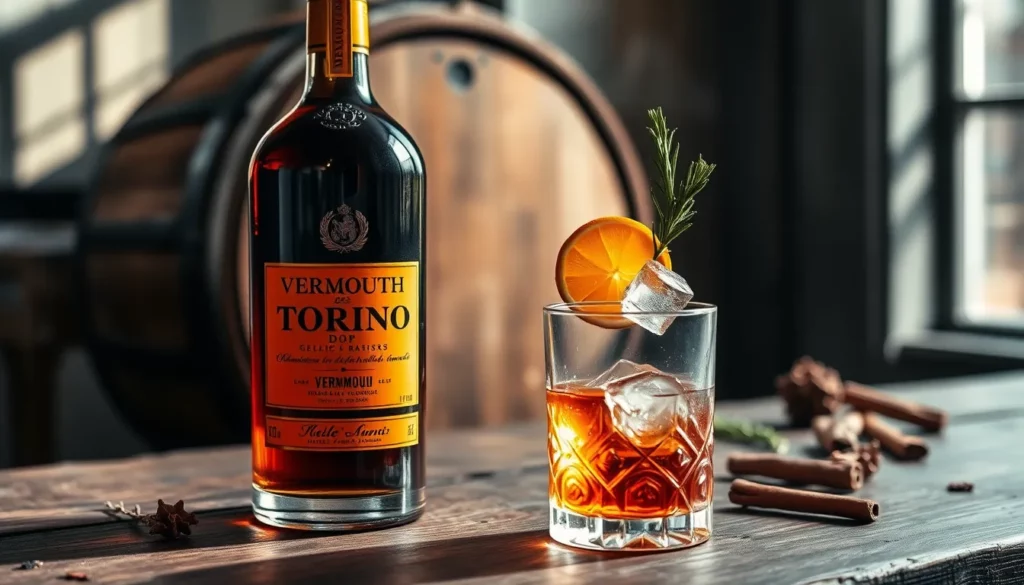
Vermouth is an aromatized, fortified wine that originated in the late 18th century in Turin, Italy, and later in Chambéry, France. Its name derives from the German word Wermut (wormwood), the key botanical that gives vermouth its characteristic bitter edge. The production method begins with a neutral white wine base, which is then fortified with grape spirit (usually to 15–18% ABV) and infused with a proprietary blend of herbs, spices, roots, and barks—often including wormwood, gentian, cinnamon, clove, citrus peel, and chamomile. After maceration, the wine is sweetened (except in extra-dry styles) and aged in oak or stainless steel for a period ranging from a few months to several years.
In Italy, the most prestigious designation is Vermouth di Torino DOP (Denominazione di Origine Protetta), which guarantees that the product is made in the historic Turin area using specific grape varieties (e.g., Moscato, Cortese) and traditional recipes. Other Italian regions produce vermouth under IGP status, while French vermouth from Chambéry also holds a PGI. The European Union recognizes vermouth as a category of aromatized wine, with strict regulations on alcohol content, sugar levels, and botanical composition.
Types & Grades
Vermouth is classified primarily by color and sweetness, but also by aging. The table below outlines the main categories:
| Type | Color | Sweetness | Typical Uses | Aging Grade |
|---|---|---|---|---|
| Rosso (Sweet Red) | Deep amber to ruby | Sweet (120–150 g/L sugar) | Negroni, Manhattan, sipping | Standard (3–6 months), Riserva (1+ year) |
| Bianco (Sweet White) | Pale straw to gold | Sweet (100–130 g/L) | Martini variations, seafood sauces | Standard, occasionally aged |
| Dry (Extra Dry) | Pale yellow | Dry (<30 g/L) | Classic Martini, cooking | Standard (2–4 months) |
| Rosé | Pink | Off-dry to sweet | Spritzes, light cocktails | Standard |
| Amaro-style | Dark brown | Bitter-sweet | Digestif, complex cocktails | Often aged 2+ years |
Within each type, producers may offer aging grades: Giovane (young, bottled soon after production), Invecchiato (aged at least 12 months in oak), and Riserva (aged 2+ years, often with a higher proportion of botanicals). The aging process mellows the botanicals and adds oxidative notes, making aged vermouth suitable for sipping neat.
How It’s Used in Cooking
Vermouth is a versatile ingredient in Italian cuisine, valued for its ability to add depth, acidity, and herbal complexity to both savory and sweet dishes. Traditional applications include:
- Deglazing – A splash of dry vermouth lifts fond from pans after searing meat, forming the base for pan sauces (e.g., sugo di carne).
- Marinades – Sweet vermouth tenderizes poultry and pork while imparting a subtle sweetness; often combined with garlic, rosemary, and olive oil.
- Risotto – Replacing some white wine with vermouth adds a layered herbal note, especially in risotto with mushrooms or seafood.
- Seafood – Dry vermouth is used in cozze alla marinara (mussels in white wine sauce) or steamed clams, enhancing the brininess.
- Desserts – Sweet vermouth can be reduced into a syrup for drizzling over panna cotta or poached fruit.
“Vermouth is the secret weapon of the Italian kitchen—it brings the garden into the pot.” – Ada Boni, Italian Regional Cooking (1930)
In professional kitchens, vermouth is also used to make salsa verde variations, as a component in compound butters, and to deglaze for ossobuco. Its acidity and herbal profile make it a natural substitute for white wine in many recipes, though the flavor will be more pronounced.
How to Choose/Identify Authentic VERMOUTH
For commercial buyers and home enthusiasts, authenticity hinges on three factors: origin, labeling, and producer reputation.
Check the Label
- DOP/PGI seals – Look for “Vermouth di Torino DOP” or “Vermouth di Chambéry PGI”. These guarantee geographic origin and traditional methods.
- Ingredients list – Authentic vermouth lists wine, alcohol, sugar, and a long list of botanicals. Avoid products with artificial flavors or preservatives.
- Alcohol content – Should be between 15% and 18% ABV. Lower may indicate dilution; higher suggests over-fortification.
Examine the Color and Clarity
Sweet red vermouth should be a rich amber with no sediment (unless unfiltered). White vermouth is clear pale gold. Cloudiness or unnatural hues may indicate poor production.
Smell and Taste
Authentic vermouth has a complex bouquet of herbs, spices, and wine. The palate balances bitterness, sweetness, and acidity. A one-dimensional or overly alcoholic taste is a red flag.
Trusted Producers
Historic Italian houses include Carpano (inventor of vermouth), Martini & Rossi, Cinzano, Gancia, and Contratto. French classics: Dolin (Chambéry) and Noilly Prat. Artisanal producers like Mancino and Vermouth del Professore offer modern interpretations.
Substitutes
When vermouth is unavailable, Italian cuisine offers several authentic alternatives, each suited to specific contexts:
- Lillet Blanc – A French aromatized wine (not technically vermouth) with similar herbal notes; ideal for dry vermouth substitutes in cocktails and cooking.
- Cocchi Americano – An Italian aromatized wine with gentian and citrus; closer to historical vermouth recipes, excellent in Negroni variations.
- Dry Sherry (Fino) – For cooking, dry sherry mimics the acidity and nuttiness of dry vermouth, though it lacks the herbal complexity.
- White Wine + Herbs – In a pinch, combine dry white wine with a pinch of dried wormwood, chamomile, and a drop of bitters. Not a perfect match but works for deglazing.
Note: Sweet vermouth substitutes include Marsala (sweet version) or Port (ruby), but these lack the botanical profile; use only when the recipe’s sweetness is the primary need.
Conclusion
Vermouth is far more than a cocktail ingredient—it is a living expression of Italian terroir and artisanal blending. From its DOP-protected origins in Turin to its role in classic dishes and modern mixology, vermouth offers a bridge between the vineyard and the kitchen. When selecting vermouth, prioritize authenticity through labels, producer history, and sensory evaluation. Whether you are deglazing a pan or crafting a perfect Martini, understanding vermouth’s nuances elevates both cooking and drinking experiences.
FAQ
What is vermouth made from?
Vermouth is made from a base of neutral white wine that is fortified with grape spirit and infused with a blend of botanicals, most notably wormwood. It is then sweetened (except dry styles) and aged.
How is vermouth different from regular wine?
Vermouth is fortified (higher alcohol, 15–18% ABV) and aromatized with herbs and spices. It also contains added sugar (except extra dry) and is often aged, giving it a more complex, bitter-sweet profile than table wine.
Can you cook with vermouth?
Yes, vermouth is excellent for cooking. Dry vermouth works well for deglazing, marinades, and seafood sauces, while sweet vermouth adds depth to risottos, braised meats, and desserts. Its acidity and herbal notes enhance many dishes.
How should I store vermouth after opening?
Vermouth should be refrigerated after opening and consumed within 1–3 months. The botanicals and lower alcohol content make it perishable; oxidation will dull its flavors. Use a wine stopper or recork tightly.
What is the best vermouth for a Negroni?
A classic Negroni uses equal parts gin, Campari, and sweet red vermouth. For authenticity, choose a Vermouth di Torino DOP like Carpano Antica Formula or Cocchi Vermouth di Torino. These offer rich, herbal complexity that balances the bitterness.
Leave a Reply