
Short Answer
What It Is
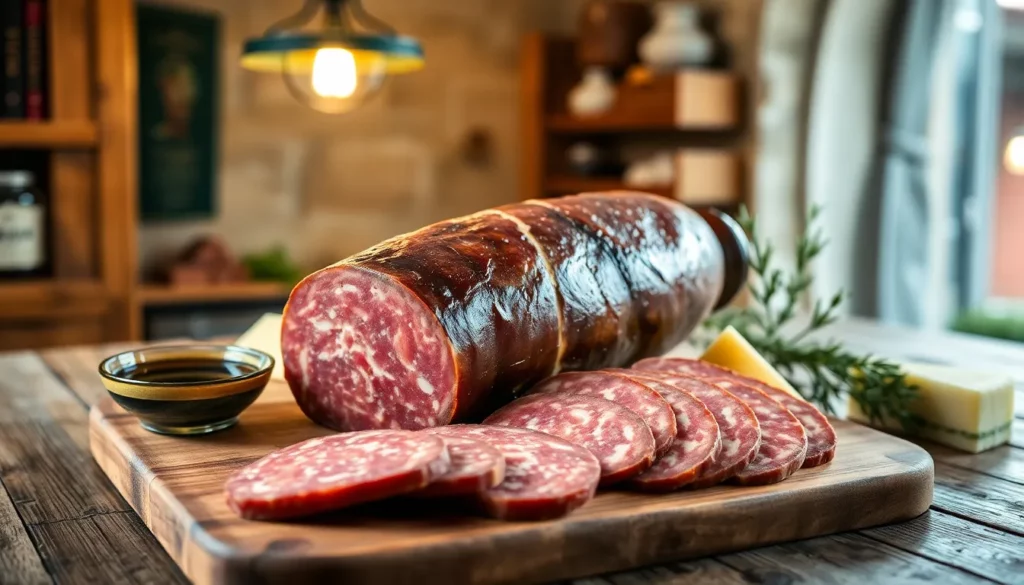
Spalla is a traditional Italian cured meat made from the pork shoulder, prized for its balanced fat-to-lean ratio and delicate flavor. Unlike prosciutto, which comes from the hind leg, Spalla is derived from the foreleg, offering a more tender and slightly sweeter profile. The term “Spalla” itself means “shoulder” in Italian, and the product is often referred to as Spalla Cotta (cooked) or Spalla Cruda (raw cured), depending on the preparation method.
The most renowned variety is Spalla di San Secondo, which has been awarded Protected Geographical Indication (PGI) status by the European Union. This certification ensures that the product is produced in the designated area of San Secondo Parmense, in the Emilia-Romagna region, following strict traditional methods. The production involves deboning the shoulder, seasoning with salt, pepper, garlic, and sometimes wine, then stuffing into a natural casing and cooking slowly at low temperatures. The result is a moist, rosy meat with a delicate aroma, often sliced thin for antipasti or used in cooked dishes.
Historically, Spalla was a way to preserve the shoulder cut, which is less prized than the leg, and it became a staple of peasant cuisine. Today, it is celebrated as a gourmet ingredient, particularly in the provinces of Parma, Reggio Emilia, and Modena.
Types & Grades
Spalla is categorized primarily by its curing and cooking process, as well as by aging. The following table outlines the main types and their characteristics:
| Type | Production Method | Aging | Flavor Profile | Common Uses |
|---|---|---|---|---|
| Spalla Cotta (Cooked Shoulder) | Deboned, seasoned, stuffed into casing, slow-cooked at 70–80°C | None (ready after cooking) | Mild, tender, slightly salty, with hints of garlic and spices | Antipasti, sandwiches, salads, or as a pizza topping |
| Spalla Cruda (Raw Cured Shoulder) | Deboned, salted, spiced, air-dried for several months | 4–12 months | More intense, savory, with a firmer texture; similar to prosciutto but less sweet | Thinly sliced as a cold cut, paired with melon or figs |
| Spalla di San Secondo PGI | Cooked shoulder from the designated area; specific recipe with local wine | None (cooked) | Delicate, aromatic, with a characteristic pink color and soft texture | Traditional antipasto, stuffed pasta fillings, or as a main course with vegetables |
| Spalla Affumicata (Smoked Shoulder) | Cooked or raw cured, then cold-smoked | Varies | Smoky, robust, with a deeper color | Hearty dishes, stews, or sliced for charcuterie boards |
Grades are not officially standardized, but artisanal producers often label their Spalla by the breed of pig (e.g., Large White, Landrace, or heritage breeds like Mora Romagnola) and the diet (e.g., acorn-fed). Higher-quality Spalla will have a higher fat content (around 20–30%) and a more pronounced flavor.
How It’s Used in Cooking
Spalla is incredibly versatile in Italian cuisine. Its mild flavor and tender texture make it suitable for both raw and cooked applications.
Traditional Antipasti
Thinly sliced Spalla Cotta is a classic component of an antipasto platter, often served with gnocco fritto (fried dough) or torta fritta (fried bread) in Emilia-Romagna. It pairs beautifully with aged Parmigiano-Reggiano, balsamic vinegar, and fresh figs.
Stuffed Pasta and Meat Dishes
Spalla is a key ingredient in many filled pasta recipes, such as tortelli di erbetta or cappelletti, where it is finely chopped and mixed with ricotta, spinach, and herbs. It also appears in polpette (meatballs) and as a stuffing for vegetables like zucchini or bell peppers.
Main Courses
In the Parma region, Spalla di San Secondo is often served as a main course, sliced thick and reheated in its own juices or with a light tomato sauce. It can also be braised with white wine and herbs for a comforting winter dish.
Sandwiches and Street Food
Spalla Cotta is a popular filling for panini and tramezzini, especially when paired with provolone cheese and roasted peppers. In some areas, it is used in piadina (flatbread) with arugula and stracchino cheese.
“La Spalla di San Secondo è un salume che sa di casa, di tradizione, di festa.” — Traditional saying from the Parma countryside.
How to Choose/Identify Authentic Spalla
When purchasing Spalla, especially for commercial or gourmet use, look for these authenticity cues:
- PGI Label: For Spalla di San Secondo, the PGI logo and the words “Spalla di San Secondo” must appear on the packaging. This guarantees origin and production method.
- Appearance: Authentic Spalla Cotta has a uniform pink color with a thin layer of fat. The texture should be firm but moist, not dry or crumbly.
- Ingredients: A short list: pork shoulder, salt, pepper, garlic, and optionally wine. Avoid products with excessive additives, phosphates, or artificial flavors.
- Producer: Reputable producers include Salumeria di San Secondo, Antica Corte, and Parmareggio. Check for the producer’s name and address.
- Weight and Shape: Traditional Spalla di San Secondo is sold as a whole piece (about 1–2 kg) or sliced. The shape is irregular, reflecting the natural shoulder cut.
- Price: Authentic PGI Spalla is more expensive than generic cooked ham. If the price seems too low, it may be a substitute.
Substitutes
If Spalla is unavailable, several Italian cured meats can serve as substitutes, depending on the dish:
- Prosciutto Cotto (cooked ham): The closest substitute for Spalla Cotta, though it is made from the leg and has a leaner, more uniform texture. Use in sandwiches or antipasti.
- Capocollo (Coppa): A dry-cured cut from the neck, offering a richer, more marbled flavor. Best for raw applications like charcuterie boards.
- Pancetta Arrotolata: Rolled and cured pork belly, which can be used in cooked dishes for a fattier, more intense flavor. Not ideal for slicing thin.
- Fiocchetto: A small cured meat from the loin, similar to prosciutto cotto but leaner. Use as a substitute in pasta fillings.
For traditional recipes like tortelli, a mix of prosciutto cotto and mortadella can approximate the flavor and texture of Spalla.
Conclusion
Spalla is a quintessential Italian cured meat that embodies the culinary heritage of Emilia-Romagna. Whether enjoyed as a delicate antipasto, a hearty main course, or a flavorful stuffing, its versatility and authenticity make it a prized ingredient. By understanding its types, production methods, and how to identify genuine products, chefs and home cooks alike can elevate their dishes with this traditional treasure.
FAQ
What is the difference between Spalla Cotta and Prosciutto Cotto?
Spalla Cotta is made from the pork shoulder, while Prosciutto Cotto comes from the hind leg. Spalla Cotta has a higher fat content, a more tender texture, and a slightly sweeter, more delicate flavor due to the cut and traditional seasoning.
Is Spalla di San Secondo the same as regular Spalla?
No. Spalla di San Secondo is a specific PGI product from the San Secondo Parmense area. It must follow strict production rules, including the use of local wine and natural casings. Regular Spalla may be produced elsewhere with different methods and ingredients.
Can I eat Spalla raw?
Only Spalla Cruda (raw cured) is safe to eat without cooking. Spalla Cotta is already cooked and can be eaten as is. Always check the label to confirm the type.
Leave a Reply