
Short Answer
What It Is
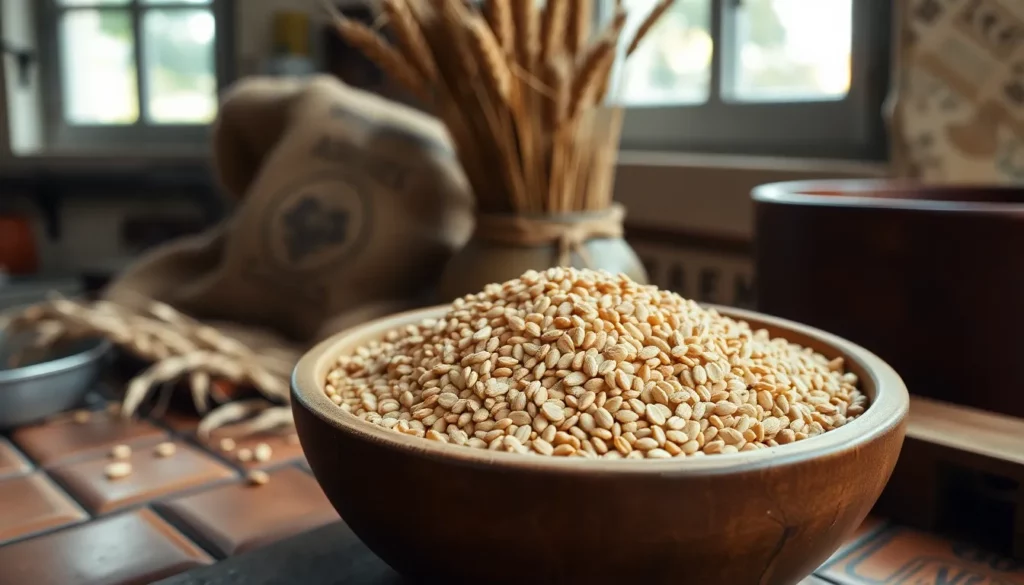
Spelt (Triticum spelta) is an ancient hulled wheat species that has been cultivated for thousands of years. While its origins trace back to the Fertile Crescent, spelt found a particularly enduring home in Italy, especially in the mountainous Garfagnana region of Tuscany. Here, the grain has been grown since Roman times and is protected under the Farro della Garfagnana DOP (Denominazione di Origine Protetta) status, awarded in 1996. This certification ensures that spelt labeled as DOP is produced, processed, and packaged within the designated area using traditional methods.
The production of spelt involves harvesting the grain with its tough husk intact, which protects it from pests and preserves its nutritional value. The husk is removed through a process called decortication, but the grain retains its bran and germ, making it a true whole grain. Unlike modern wheat, spelt has a higher protein content and a distinctive nutty, earthy flavor. It is also more tolerant of poor soil conditions, which contributed to its historical importance in marginal agricultural areas.
“Il farro è il pane dei poveri, ma il suo sapore è da re.” (Farro is the bread of the poor, but its flavor is fit for a king.) – Tuscan proverb
In recent decades, spelt has experienced a revival as part of the broader interest in ancient grains and sustainable agriculture. Its ability to thrive without synthetic fertilizers and its high nutritional value—rich in fiber, protein, B vitamins, and minerals like magnesium and zinc—make it a favorite among health-conscious consumers and chefs alike. In Italy, the term “farro” is often used generically, but it actually refers to three distinct ancient grains: farro grande (spelt), farro medio (emmer), and farro piccolo (einkorn). Spelt is the largest of the three and the most commonly cultivated in Tuscany. The DOP designation specifically covers Farro della Garfagnana, which is exclusively spelt.

Types & Grades
Spelt is available in several forms, each suited to different culinary applications. The primary distinction is based on the degree of processing:
| Type | Description | Common Uses |
|---|---|---|
| Whole Spelt (Farro Integrale) | Unprocessed grains with the husk removed but bran and germ intact. Requires soaking and longer cooking. | Soups, stews, salads, side dishes |
| Pearled Spelt (Farro Perlato) | Grains that have been polished to remove some or all of the bran. Cooks faster and has a softer texture. | Salads, risotto-style dishes (farrotto), quick soups |
| Semi-Pearled Spelt | Partially polished, retaining some bran. A compromise between whole and pearled. | Versatile for most recipes |
| Spelt Flour | Ground from whole or pearled grains. Lower gluten content than wheat flour. | Bread, pasta, pastries, pancakes |
| Spelt Flakes | Rolled or flattened grains, similar to rolled oats. | Porridge, granola, baked goods |
Grades are also determined by the size and uniformity of the grains. High-quality spelt for DOP certification must meet strict standards regarding purity, moisture content, and absence of foreign matter. The grains should be plump, uniform in color (golden brown), and free from cracks or insect damage.
How It’s Used in Cooking
Spelt is a staple of Tuscan cucina povera (peasant cooking) and is prized for its versatility and nutritional density. Its nutty flavor and chewy texture make it ideal for both savory and sweet dishes. Below are traditional Italian applications:
Soups and Stews
The most iconic dish is zuppa di farro, a hearty soup from Garfagnana made with spelt, beans, kale, and vegetables, often flavored with pancetta or lardo. The grain is soaked overnight and simmered slowly to release its starches, creating a creamy consistency. Another classic is minestra di farro, a lighter broth-based soup with seasonal greens.
Salads
Cooked and cooled spelt is a popular base for insalata di farro, combined with tomatoes, cucumbers, herbs, and a simple vinaigrette. It is also used in farro e verdure, a warm salad with roasted vegetables and a drizzle of extra virgin olive oil.
Farrotto
Similar to risotto, farrotto is made by toasting pearled spelt in olive oil, then gradually adding broth while stirring. The result is a creamy, nutty dish that can be enriched with mushrooms, cheese, or seafood. Farrotto is a modern reinterpretation that highlights spelt’s ability to absorb flavors.
Baked Goods
Spelt flour is used in traditional Tuscan breads, such as pane di farro, which has a denser crumb and earthy taste. It is also used for crostini di farro (small toasts) and in sweet preparations like torta di farro (spelt cake) with dried fruits and nuts. Spelt flour can also be used for cookies, muffins, and pancakes, adding a wholesome depth of flavor.
Other Uses
Spelt flakes are eaten as a hot cereal, and whole grains can be sprouted for added nutrition. In some regions, spelt is fermented to make beer or distilled into spirits. Even the husks are used as animal bedding or in traditional crafts.
How to Choose/Identify Authentic SPELT
When purchasing spelt, especially for traditional Italian recipes, authenticity is key. Follow these guidelines:
- Look for the DOP label: Authentic Farro della Garfagnana DOP will carry the official EU DOP logo and a certification number. This guarantees origin and quality.
- Check the origin: If not DOP, look for “Prodotto in Italia” (Product of Italy) and ideally from Tuscany. Many generic “farro” products are actually emmer from other regions.
- Examine the grains: Whole spelt grains are larger than emmer or einkorn, with a golden-brown color and a pointed shape. Pearled spelt will be more rounded and lighter.
- Read the label: The ingredient list should state “farro” or “spelt” and nothing else. Avoid products with added salt or preservatives.
- Aroma and texture: Fresh spelt has a mild, nutty aroma. Stale spelt may smell musty. The grains should be hard and not crumble easily.
- Buy from reputable sources: Specialty Italian grocers, farmers’ markets in Tuscany, or online retailers that specialize in DOP products.
Be aware that in the United States, “farro” often refers to emmer, not spelt. Always verify the scientific name or ask for farro grande if you specifically want spelt.
Substitutes
If authentic spelt is unavailable, several Italian grains can serve as substitutes, each with its own character:
- Emmer (Farro Medio): The most common substitute. It has a similar nutty flavor but smaller grains and a slightly softer texture. Use in soups, salads, and farrotto. Emmer is often labeled simply as “farro” in the US.
- Einkorn (Farro Piccolo): The smallest of the three ancient wheats. It has a delicate, sweet flavor and lower gluten content. Best for light salads and porridge, but not ideal for risotto-style dishes due to its quick cooking time.
- Barley (Orzo): A non-wheat grain that mimics the chewy texture of pearled spelt. It is commonly used in Italian soups like orzotto (barley risotto) and works well as a substitute in hearty stews.
- Buckwheat (Grano Saraceno): Gluten-free and with a strong earthy flavor. Used in northern Italian cuisine, especially in pizzoccheri pasta. It can replace spelt in salads and porridge, but not in bread.
When substituting, adjust cooking times and liquid ratios accordingly. Whole grains generally require soaking and longer simmering, while pearled varieties cook faster. For baking, emmer flour is the closest substitute for spelt flour, though it may produce a slightly denser result.
Conclusion
Spelt is more than just an ancient grain; it is a living link to Italy’s agricultural heritage and a testament to the value of biodiversity in our food system. From the protected hills of Garfagnana to kitchens worldwide, spelt offers a nutritious, flavorful alternative to modern wheat. Whether you are making a rustic Tuscan soup, a creamy farrotto, or a wholesome loaf of bread, choosing authentic spelt ensures you are experiencing the grain as it has been enjoyed for centuries. By understanding its types, uses, and authenticity markers, you can bring a piece of Italian culinary history to your table.
FAQ
Is spelt gluten-free?
No, spelt contains gluten, though its gluten structure is different from modern wheat. People with celiac disease or severe gluten sensitivity should avoid spelt. However, some individuals with mild gluten intolerance may tolerate spelt better, but this varies.
What is the difference between spelt and farro?
In Italy, 'farro' is a category that includes three ancient grains: spelt (farro grande), emmer (farro medio), and einkorn (farro piccolo). In the United States, 'farro' typically refers to emmer. Spelt is the largest grain with a nuttier flavor, while emmer is smaller and more common in American markets.
How should I cook spelt for the best texture?
For whole spelt, soak the grains overnight in cold water, then drain and simmer in salted water or broth for 30–60 minutes until tender but still chewy. Pearled spelt cooks faster (15–20 minutes) and does not require soaking. For farrotto, toast the grains first in olive oil, then add liquid gradually like risotto.
Can I substitute spelt flour for all-purpose flour in baking?
Spelt flour has less gluten than modern wheat flour, so it produces denser, more crumbly baked goods. You can substitute up to 50% of the flour in a recipe, or use recipes specifically designed for spelt. Adding a bit more liquid may be necessary as spelt absorbs moisture differently.
Leave a Reply