
Short Answer
What It Is
Maiale (Italian for pork) is a cornerstone of Italian gastronomy, deeply rooted in the country’s agricultural history and regional identities. Unlike generic pork, Italian maiale is often defined by specific breeds, rearing methods, and transformation into cured meats that carry DOP (Denominazione di Origine Protetta) or PGI (Indicazione Geografica Protetta) status. The most iconic production system is the suino pesante (heavy pig) of Emilia-Romagna and Lombardy, raised to a weight of 160–180 kg over 9–10 months, fed on a diet of cereals and whey from Parmigiano-Reggiano production. This yields fat-rich meat ideal for long-aged prosciutti and salumi. Other regions, like Tuscany and Umbria, favor lighter pigs for fresh preparations such as porchetta and arista. The Italian Ministry of Agricultural Policies and the European Union regulate these designations, ensuring traceability and traditional methods.
Types & Grades
Italian maiale is classified by breed, rearing system, and intended use. Below is a table of the most significant categories:
| Type | Breed/Origin | Weight | Primary Use | DOP/PGI Examples |
|---|---|---|---|---|
| Suino Pesante | Large White, Landrace, Duroc (crosses) | 160–180 kg | Dry-cured hams (prosciutto), salami | Prosciutto di Parma DOP, Prosciutto di San Daniele DOP |
| Suino Leggero | Various, often local breeds | 100–130 kg | Fresh cuts, roasts, sausages | — |
| Cinta Senese | Ancient Tuscan breed | 120–150 kg | Fresh and cured, prized for flavor | DOP (fresh and processed) |
| Nero Siciliano | Sicilian black pig | 100–130 kg | Cured meats, especially salami | Presidio Slow Food |
| Mora Romagnola | Emilia-Romagna heritage breed | 150–180 kg | High-quality prosciutto and salami | Presidio Slow Food |
Grades also refer to aging: prosciutto crudo can be dolce (mild, aged 12–14 months) or stagionato (aged 18–24+ months). Similarly, salame ranges from fresco (minimal aging) to stagionato (aged 3–6 months).

How It’s Used in Cooking
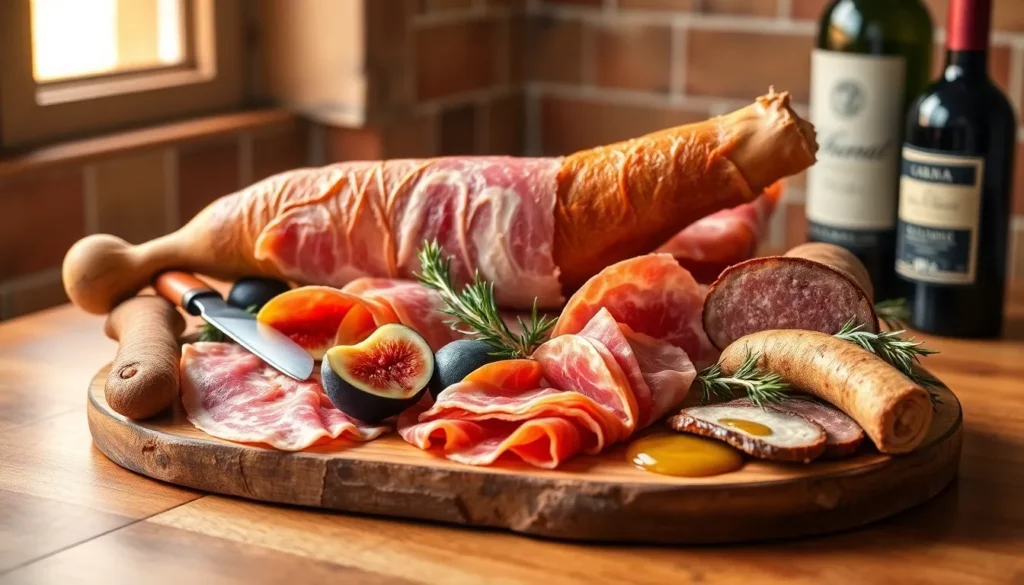
Italian cuisine employs maiale in countless traditional dishes, from rustic peasant fare to refined regional specialties. Fresh cuts are often braised or roasted: arista alla fiorentina (herb-crusted pork loin), porchetta (spit-roasted deboned pig stuffed with herbs), and costine di maiale (pork ribs). Cured meats are central to antipasti and pasta: guanciale (cured pork jowl) is essential for Carbonara and Amatriciana; pancetta adds depth to pasta alla gricia; prosciutto crudo is draped over melon or figs. Lardo di Colonnata (cured pork back fat) is sliced thin and served on warm bread. In Emilia-Romagna, culatello (a select cut of ham) is aged in cellars and eaten as a delicacy.
“Il maiale è l’animale che si sfrutta tutto, dal naso alla coda” – Italian proverb: “The pig is the animal that is used entirely, from nose to tail.”
How to Choose/Identify Authentic MAIALE
When buying fresh Italian pork, look for DOP or IGP labels on cured products. For fresh cuts, seek out suino pesante from known consortia (e.g., Consorzio del Prosciutto di Parma). Check the fat: authentic heavy pig has a thick, creamy white fat layer. For cured meats, examine the color (deep ruby red for prosciutto, with marbling) and aroma (fruity, not rancid). Avoid products with added sugars or phosphates. Purchase from reputable Italian salumerie or online retailers specializing in Italian imports. The Consorzio di Tutela for each DOP product provides certification marks on packaging.
Substitutes
While no substitute perfectly replicates Italian maiale, certain Italian alternatives exist for specific uses:
- Guanciale vs. Pancetta: Guanciale (cured jowl) is fattier and more flavorful; pancetta (cured belly) can substitute in carbonara but yields a less authentic result.
- Prosciutto Cotto (cooked ham) can replace prosciutto crudo in cooked dishes, but not for raw consumption.
- Speck (smoked cured ham from Alto Adige) offers a smoky alternative to prosciutto crudo.
- Lardo can be replaced by strutto (rendered pork fat) for cooking, but not for raw slicing.
- For fresh pork, maiale leggero from other regions can substitute for heavy pig in roasts, though the fat content will be lower.
Conclusion
Italian maiale represents a pinnacle of pork craftsmanship, shaped by centuries of tradition, strict regulations, and regional diversity. Whether you are savoring a slice of aged Prosciutto di Parma, preparing a classic carbonara with guanciale, or roasting a porchetta for a festive meal, understanding the nuances of maiale elevates your culinary experience. Always prioritize authentic, certified products to honor the legacy of Italian pig farming and charcuterie.
FAQ
What is the difference between prosciutto crudo and prosciutto cotto?
Prosciutto crudo is dry-cured, raw ham aged for months, while prosciutto cotto is cooked (boiled or baked) ham. Crudo is typically served raw in thin slices; cotto is used in sandwiches or cooked dishes.
Is all Italian pork DOP certified?
No, only specific cured products (e.g., Prosciutto di Parma, Culatello di Zibello) carry DOP certification. Fresh pork cuts are not DOP, but some heritage breeds like Cinta Senese have DOP status for both fresh and processed meat.
Can I substitute bacon for guanciale in carbonara?
While bacon (smoked, cured belly) is sometimes used, it is not authentic. Guanciale (cured jowl) has a higher fat content and a distinct flavor without smokiness. For a closer substitute, use unsmoked pancetta.
Leave a Reply