
Short Answer
What It Is
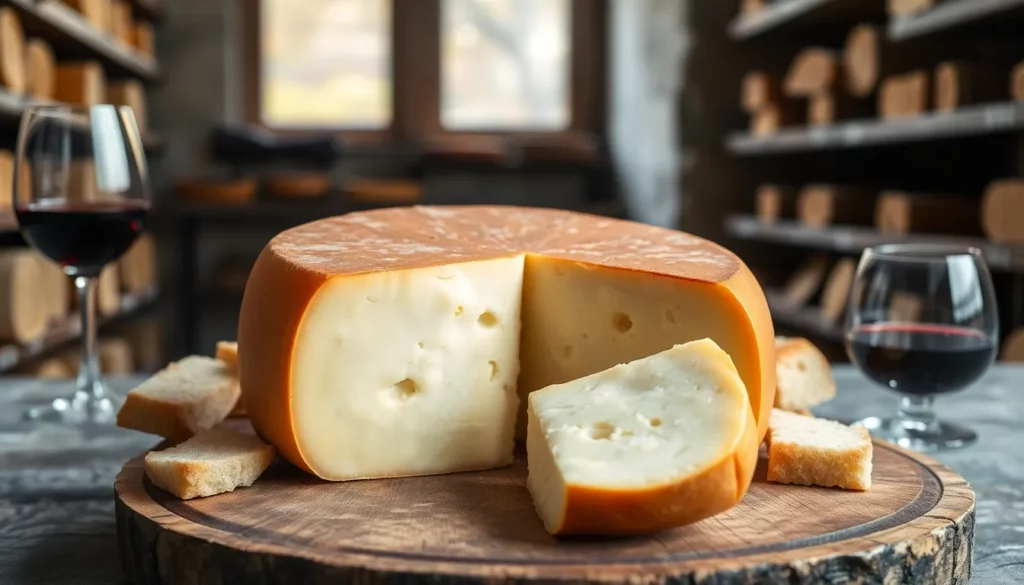
Taleggio is a washed-rind, soft-ripened cow’s milk cheese that originates from the Val Taleggio valley in the Lombardy region of northern Italy. Its history dates back to the 9th–10th centuries, when it was produced by shepherds in the alpine pastures of the Bergamo Alps. The cheese was traditionally aged in natural caves, where the humid environment encouraged the development of its characteristic orange-brown rind and creamy interior.
In 1996, Taleggio was granted Protected Designation of Origin (DOP) status by the European Union, ensuring that only cheese produced according to strict regulations in the designated provinces of Bergamo, Brescia, Como, Cremona, Lecco, Lodi, Milan, Pavia, and Sondrio can bear the name. The DOP certification guarantees the cheese’s authenticity, traditional production methods, and regional origin.
The production process begins with whole cow’s milk, often from the Bruna Alpina or Frisona breeds. The milk is curdled with calf rennet, cut into small curds, and then drained. The curds are placed into square molds and salted. The cheese wheels are then aged for a minimum of 35 days, during which they are regularly washed with a brine solution containing Brevibacterium linens, the bacteria responsible for the cheese’s distinctive orange rind and pungent aroma. The aging process takes place in cool, humid cellars, where the cheese develops its soft, creamy texture and complex flavor profile.

Types & Grades
Taleggio is primarily classified by its aging period, which influences its texture and flavor. The DOP regulations define two main grades:
| Grade | Aging Time | Texture | Flavor |
|---|---|---|---|
| Taleggio Giovane (Young) | 35–45 days | Soft, creamy, slightly elastic | Mild, milky, with a hint of tanginess |
| Taleggio Stagionato (Aged) | 45–60 days or more | Softer, almost spreadable, with a thin, edible rind | More pungent, earthy, with notes of mushrooms and nuts |
Some producers also offer a Taleggio Riserva aged beyond 60 days, though this is less common. The rind of Taleggio is always washed and edible, though some prefer to remove it for a milder taste. The cheese is typically square-shaped, weighing about 1.8–2.2 kg (4–5 lb), with a thin, wrinkled rind that ranges from pale orange to reddish-brown.
How It’s Used in Cooking
Taleggio’s creamy, melting properties make it a versatile ingredient in Italian cuisine. It is often used in:
- Risotto al Taleggio – A classic Lombardian dish where the cheese is stirred into risotto at the end of cooking, adding richness and a subtle tang.
- Polenta con Taleggio – Soft polenta topped with melted Taleggio, often served with sautéed mushrooms or sage butter.
- Fonduta – A fondue-like preparation where Taleggio is melted with milk, egg yolks, and white truffle oil, served with bread or vegetables.
- Pizza and Focaccia – Taleggio is a popular topping for white pizzas, paired with prosciutto, arugula, or caramelized onions.
- Cheese Boards – Served at room temperature with crusty bread, honey, dried fruits, and nuts.
“Taleggio is the soul of Lombardian comfort food – it transforms simple ingredients into a symphony of creaminess and umami.” – Traditional Italian saying
In professional kitchens, Taleggio is valued for its ability to melt smoothly without becoming stringy, making it ideal for sauces, gratins, and stuffed pastas like agnolotti or tortelli.
How to Choose/Identify Authentic Taleggio
When purchasing Taleggio, look for the following authenticity cues:
- DOP Seal – Authentic Taleggio will bear the EU DOP logo and the name “Taleggio DOP” on the packaging. The Consorzio Tutela Taleggio also provides a traceability code.
- Shape and Size – Traditional Taleggio is square, with sides of 18–20 cm and a height of 5–7 cm. The weight should be around 1.8–2.2 kg.
- Rind Appearance – The rind should be thin, slightly wrinkled, and orange to reddish-brown in color. It should feel slightly sticky but not slimy. A white or gray mold on the rind is normal, but excessive mold or a strong ammonia smell indicates over-aging.
- Texture and Aroma – The interior should be pale yellow to straw-colored, soft, and creamy. The aroma is pungent and earthy, but not overwhelmingly ammoniated. When pressed, the cheese should yield slightly.
- Producer Information – Look for the name of the producer and the aging date. Reputable producers include Caseificio Sociale di Mantova, Latteria Sociale di Valtorta, and Arrigoni Battista.
Avoid Taleggio that is too hard, dry, or has a cracked rind, as these indicate poor handling or excessive aging. For commercial buyers, purchasing from a specialty cheese shop or directly from Italian importers ensures freshness and authenticity.
Substitutes
If Taleggio is unavailable, several Italian cheeses can serve as substitutes, each offering a similar washed-rind character:
- Robiola – A soft-ripened cheese from Piedmont, often made from a blend of cow’s, sheep’s, and goat’s milk. It has a similar creamy texture and mild tang, though its rind is usually bloomy rather than washed.
- Stracchino – Also from Lombardy, this is a fresh, soft cheese with a delicate flavor. It lacks the pungency of Taleggio but melts well and works in risottos and polenta.
- Gorgonzola Dolce – A blue-veined cheese from the same region, but with a creamy, milder profile. It can replace Taleggio in sauces and fondue, though its blue mold adds a distinct flavor.
- Fontina – A semi-soft cow’s milk cheese from Valle d’Aosta, with a nutty, earthy flavor and excellent melting properties. It is a good substitute for Taleggio in baked dishes and fondues.
For a non-Italian alternative, Munster (from France) or Limburger (from Belgium) offer similar washed-rind characteristics, though their flavors are more assertive.
Conclusion
Taleggio is a cornerstone of Lombardian cheese-making, embodying centuries of tradition and terroir. Its DOP status protects its authenticity, while its creamy texture and complex flavor make it a favorite among chefs and home cooks alike. Whether melted into risotto, spread on crusty bread, or enjoyed on a cheese board, Taleggio offers a taste of Italy’s alpine heritage. When selecting Taleggio, always look for the DOP seal and buy from reputable sources to ensure you are experiencing the true character of this ancient cheese.
FAQ
What is Taleggio cheese?
Taleggio is a washed-rind, soft-ripened cow's milk cheese from Lombardy, Italy, with DOP status. It has a creamy texture, pungent aroma, and an edible orange-brown rind. It is aged for 35–60 days and is used in risottos, polenta, and cheese boards.
How is Taleggio made?
Taleggio is made from whole cow's milk, curdled with calf rennet. The curds are cut, drained, and placed into square molds. After salting, the cheese wheels are aged in humid cellars and regularly washed with brine containing Brevibacterium linens, which develops the rind and flavor.
Can you eat the rind of Taleggio?
Yes, the rind of Taleggio is edible. It is thin and has a slightly sticky texture. Some people prefer to remove it for a milder taste, but it is safe to consume and adds to the cheese's earthy character.
What does Taleggio taste like?
Young Taleggio has a mild, milky, and slightly tangy flavor. As it ages, it becomes more pungent, earthy, and savory, with notes of mushrooms, nuts, and a hint of ammonia. The texture becomes creamier and almost spreadable.
How should I store Taleggio?
Store Taleggio in the refrigerator wrapped in wax paper or parchment paper, then placed in a loosely sealed plastic bag to allow it to breathe. It should be consumed within a week of opening. For longer storage, freeze it, but note that the texture may become crumbly upon thawing.

Leave a Reply