
Short Answer
What It Is
Trippa is the Italian term for tripe, the edible lining of the stomach of ruminant animals, most commonly beef (trippa di bovino). In Italian culinary tradition, trippa is a cornerstone of cucina povera (the “poor kitchen”), reflecting a philosophy of using every part of the animal. The production of trippa involves thorough cleaning, blanching, and often parboiling before sale. While raw tripe itself does not carry a DOP (Denominazione di Origine Protetta) or PGI (Indicazione Geografica Protetta) status, several regional preparations have received official recognition. For example, Trippa di Moncalieri from Piedmont is a PGI product, and Trippa alla Fiorentina is listed as a PAT (Traditional Agri-Food Product) by the Italian Ministry of Agricultural Policies. The primary production regions are Tuscany, Piedmont, Lombardy, and Lazio, each with distinct preparation methods.
Types & Grades
Tripe is classified by the stomach chamber from which it comes. Each type has a distinct texture and appearance, influencing its culinary use. The table below summarises the main grades:
| Italian Name | English Name | Stomach Chamber | Texture & Appearance | Common Uses |
|---|---|---|---|---|
| Trippa liscia | Smooth tripe / Blanket tripe | Rumen | Thick, smooth surface with small bumps | Stews, soups, braised dishes |
| Trippa a nido d’ape | Honeycomb tripe | Reticulum | Honeycomb pattern, tender | Grilling, frying, salads |
| Trippa a libro | Book tripe / Bible tripe | Omasum | Layered, leaf-like folds | Slow-cooking, ragù |
| Trippa a fiori | Flower tripe | Abomasum | Delicate, frilly edges | Light soups, delicate preparations |
In addition to these anatomical grades, tripe is often sold pre-cooked (already blanched and cleaned) or raw. Pre-cooked tripe is more convenient for home cooks, while raw tripe is preferred by professionals who wish to control the cleaning and cooking process. The quality of tripe is judged by its colour (pale ivory to off-white), smell (clean, not sour), and texture (firm but not rubbery).

How It’s Used in Cooking
Trippa is a versatile ingredient that absorbs flavours beautifully. Traditional Italian preparations often involve long, slow cooking with tomatoes, herbs, and wine. Below are the most iconic dishes:
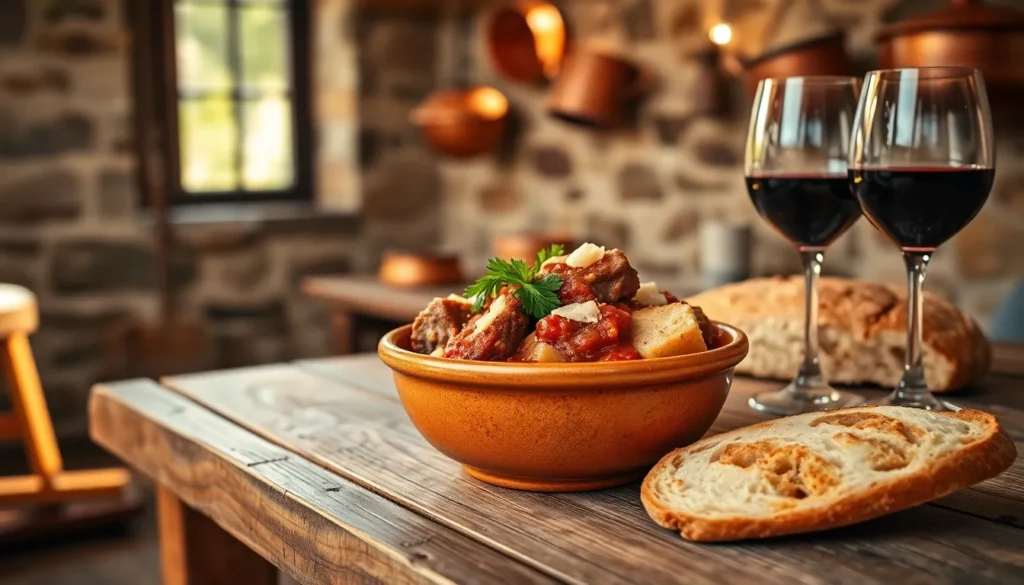
- Trippa alla Fiorentina – A Tuscan classic: tripe simmered in tomato sauce with onion, celery, carrot, and finished with grated Parmigiano-Reggiano and a drizzle of extra-virgin olive oil. Often served as a main course or over crostini.
- Busecca – A hearty Milanese soup made with tripe, beans, vegetables, and sometimes pork rind. It is a winter staple in Lombardy.
- Trippa di Moncalieri – A PGI preparation from Piedmont: tripe cooked with butter, onion, and white wine, then layered with Parmigiano and baked until golden. It is often served as an appetiser or main course.
- Trippa alla Romana – Roman-style tripe with tomato sauce, mint, and pecorino cheese. The mint adds a distinctive freshness.
- Trippa in umido – A general braised tripe dish, often with potatoes or chickpeas, common in many regions.
Tripe is also used in fritto misto (fried mixed offal) and as a filling for ravioli or tortelli. Chefs appreciate its ability to take on bold flavours like garlic, chili, and anchovy. A traditional Tuscan saying captures its value:
“La trippa è buona, ma bisogna saperla cucinare.” – “Tripe is good, but you must know how to cook it.”
How to Choose/Identify Authentic Trippa
When buying trippa, especially in Italy or from specialty Italian grocers, follow these guidelines to ensure authenticity and quality:
- Look for colour: Authentic tripe should be pale ivory to off-white. Yellowish or grey hues indicate poor cleaning or age.
- Check the smell: Fresh tripe has a mild, clean scent. Any sour or ammonia-like odour suggests spoilage.
- Feel the texture: It should be firm but pliable, not slimy or mushy. Honeycomb tripe should have distinct, well-defined cells.
- Prefer pre-cooked or raw? For most home recipes, pre-cooked (blanched) tripe is convenient. For professional use, raw tripe allows better control. Always check the label for “pre-cotto” or “crudo”.
- Seek regional indications: If you find tripe labelled as “Trippa di Moncalieri IGP” or “Trippa alla Fiorentina PAT”, you are getting a product with protected authenticity. For generic tripe, ask the butcher about the animal source (beef is standard; veal tripe is more delicate).
- Packaging: Vacuum-sealed tripe is common and can be stored refrigerated. Avoid packages with excess liquid or bulging.
For online purchases, choose reputable Italian food retailers that specify the type of tripe and its origin. Authentic trippa should never be bleached or chemically treated; natural cleaning with water, salt, and lemon is traditional.
Substitutes
While trippa has a unique texture, several Italian ingredients can substitute in specific dishes:
- Lampredotto – A Florentine street food made from the abomasum (the fourth stomach) of beef. It is essentially a type of tripe, but often used in sandwiches. It can replace trippa in soups or stews if you want a more tender, delicate texture.
- Coratella – A mix of lamb offal (heart, lungs, liver, etc.) used in Roman cuisine. It can substitute trippa in robust sauces, though the flavour is stronger.
- Seitan or Tofu – For vegetarian versions of tripe dishes, seitan (wheat gluten) can mimic the chewy texture. In Italy, “trippa di seitan” is a known vegan alternative, often used in “Trippa alla Fiorentina” without animal products.
- Porcini mushrooms – In some recipes, thickly sliced porcini caps can replace tripe for a meaty, umami-rich texture, especially in stews.
When substituting, consider the cooking time: tripe requires long simmering, so choose substitutes that can withstand similar treatment or adjust accordingly.
Conclusion
Trippa is a testament to Italian culinary ingenuity, transforming humble offal into celebrated dishes. Understanding its types, regional variations, and proper selection ensures that you can enjoy authentic tripe at its best. Whether you are recreating a Tuscan classic or exploring Milanese Busecca, trippa offers a world of flavour rooted in tradition.
FAQ
What is trippa?
Trippa is the Italian word for tripe, the edible lining of the stomach of ruminant animals, most commonly beef. It is a traditional ingredient in Italian cucina povera, used in many regional dishes.
How is tripe prepared before cooking?
Tripe must be thoroughly cleaned and blanched to remove impurities and soften the texture. Pre-cooked (pre-blanched) tripe is widely available; raw tripe requires additional cleaning with water, salt, and lemon juice before cooking.
What are the most famous Italian tripe dishes?
The most iconic dishes include Trippa alla Fiorentina (Tuscan tripe in tomato sauce), Busecca (Milanese tripe soup), Trippa di Moncalieri (Piedmontese baked tripe with cheese), and Trippa alla Romana (Roman tripe with mint and pecorino).
Leave a Reply