
Short Answer
What It Is
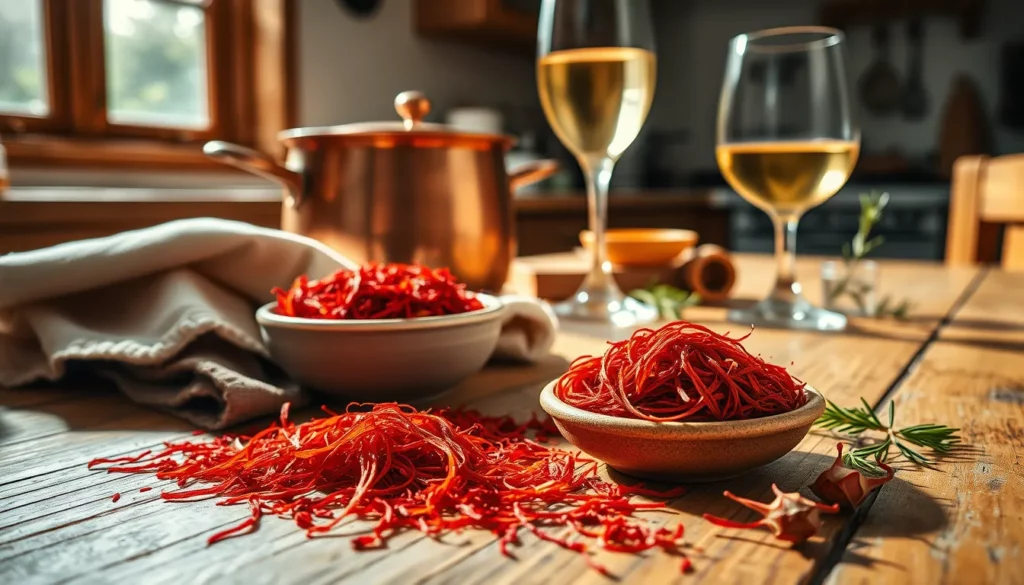
Zaffarino is a high-quality saffron produced exclusively in the sun-drenched hills of central Italy, primarily in the regions of Abruzzo and Sardinia. It is derived from the dried stigmas of Crocus sativus L., hand-harvested during a brief autumn window. The name “Zaffarino” is often used interchangeably with “Zafferano” in Italian, but in culinary circles it denotes a specific PGI (Protected Geographical Indication) product—Zafferano dell’Aquila or Zafferano di Sardegna—that meets rigorous quality standards. The production method is labor-intensive: each flower is picked at dawn, the three red stigmas are carefully separated, and they are dried at low temperatures to preserve volatile compounds. This process yields a spice with a deep red color, a hay-like aroma, and a slightly bitter, honeyed flavor. The PGI status ensures that the saffron originates from a defined geographic area and follows traditional techniques, guaranteeing authenticity and traceability.
Types & Grades
Zaffarino is categorized by the ISO 3632 standard, which grades saffron based on its coloring strength (crocin content), flavor (picrocrocin), and aroma (safranal). The highest grade is Category I, which includes Zaffarino with a coloring strength above 190 units. Within this category, Italian producers often classify their saffron by thread length and purity. The table below outlines the common grades found in the market:
| Grade | Coloring Strength (units) | Thread Length | Typical Use |
|---|---|---|---|
| Premium (Superior) | > 220 | ≥ 2 cm, whole threads | Fine dining, signature dishes |
| Standard (Commercial) | 190–220 | 1–2 cm, mixed threads | Everyday cooking, risottos |
| Powder (Ground) | Varies (often lower) | N/A | Convenience, baking |
Authentic Zaffarino is almost always sold as whole threads, as powder can be adulterated. The best grades come from the first harvest (“primo raccolto”) and are labeled with the producer’s name and PGI seal.

How It’s Used in Cooking
Zaffarino is a cornerstone of Italian cuisine, prized for its ability to impart a golden hue and complex floral notes. Traditional applications include:
- Risotto alla Milanese – The quintessential dish, where Zaffarino is bloomed in warm broth and stirred into Carnaroli rice with butter and Parmigiano-Reggiano.
- Bouillabaisse and Fish Stews – A pinch of Zaffarino enhances the broth of Mediterranean seafood soups, such as cacciucco from Tuscany.
- Pane di Zafferano – A Sardinian bread infused with saffron, often served with cured meats and cheeses.
- Desserts – Zaffarino is used in budino di zafferano (saffron pudding) and gelato, where its subtle bitterness balances sweetness.
Professional chefs often toast the threads lightly in a dry pan before steeping to intensify the aroma. The spice is also a key ingredient in the liqueur Centerbe and some herbal teas.
How to Choose/Identify Authentic ZAFFARINO
To ensure you are purchasing genuine Zaffarino, follow these guidelines:
- Check the PGI label – Look for the European Union’s PGI logo and the specific designation (e.g., “Zafferano dell’Aquila PGI”).
- Examine the threads – Authentic threads are deep red with orange tips, not uniformly yellow. They should be dry, brittle, and trumpet-shaped.
- Smell and taste – Real Zaffarino has a strong, hay-like aroma and a slightly bitter, honeyed taste. If it smells metallic or sweet, it may be adulterated.
- Price – High-quality Zaffarino is expensive (€20–€30 per gram). Extremely cheap saffron is likely counterfeit.
- Water test – Drop a few threads in warm water; authentic saffron releases a golden-yellow color slowly, while fake saffron turns red or orange immediately.
For commercial buyers, sourcing directly from Italian cooperatives or certified importers is recommended.
Substitutes
While no substitute matches Zaffarino’s complexity, Italian cuisine offers alternatives for specific contexts:
- Curcuma (Turmeric) – Used for color in savory dishes, but lacks the floral aroma. Suitable for budget-friendly versions of risotto.
- Cartamo (Safflower) – Often called “false saffron,” it provides a yellow hue but a milder, slightly earthy flavor. Used in some traditional breads.
- Gardenia (Gardenia jasminoides) – A natural colorant used in confectionery, but not a direct flavor substitute.
For authentic Italian recipes, reducing the quantity of Zaffarino is preferable to using substitutes, as the spice’s unique profile is irreplaceable.
Conclusion
Zaffarino represents the pinnacle of Italian saffron production, combining centuries of tradition with strict quality controls. Whether you are a professional chef or a home cook, understanding its grades, proper use, and authenticity markers will elevate your culinary creations. Always seek PGI-certified threads from reputable sources to experience the true essence of this golden spice.
FAQ
What is the difference between Zaffarino and regular saffron?
Zaffarino is a specific Italian PGI saffron, meaning it must come from designated regions (e.g., Abruzzo or Sardinia) and follow traditional production methods. It typically has higher coloring strength and more intense aroma than generic saffron.
How should I store Zaffarino to maintain its quality?
Store Zaffarino threads in an airtight glass container away from light, heat, and moisture. A cool, dark pantry is ideal. Properly stored, it can retain its potency for up to three years.
Can I use Zaffarino powder instead of threads?
Yes, but powder is more prone to adulteration and loses aroma faster. For best results, buy whole threads and grind them just before use. Powder is acceptable for baking or when color is the primary goal.
Leave a Reply