
Short Answer
What It Is
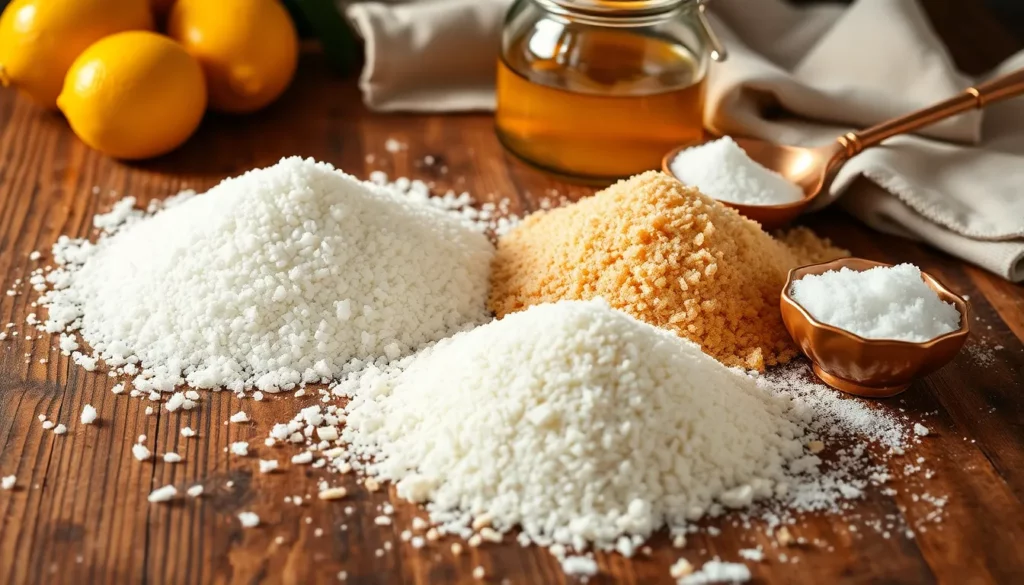
Zucchero, the Italian word for sugar, is a fundamental ingredient in Italian cuisine, derived primarily from sugar beets (Beta vulgaris) grown in the fertile plains of northern Italy, particularly in Emilia-Romagna, Veneto, and Lombardy. While sugar cane was historically introduced to the Italian peninsula by Arab traders in the 8th century, the modern Italian sugar industry is dominated by beet sugar, which accounts for nearly all domestic production. The process involves washing, slicing, and diffusing the beets to extract sucrose, followed by purification, crystallization, and refining. Although zucchero does not hold a DOP (Denominazione di Origine Protetta) or PGI (Indicazione Geografica Protetta) status, Italian production is strictly regulated by the Ministero delle Politiche Agricole Alimentari e Forestali, ensuring high quality and traceability. Artisanal producers, especially in Sicily, also offer traditional cane sugars, such as zucchero di canna integrale, made from locally grown cane using age-old methods.
Types & Grades
Italian zucchero is classified by grain size, degree of refinement, and source. The following table outlines the most common types used in professional and home kitchens:
| Type | Grain Size | Color | Best Use |
|---|---|---|---|
| Zucchero semolato (caster sugar) | Fine, uniform | White | Baking, meringues, delicate desserts |
| Zucchero a velo (powdered sugar) | Very fine, dust-like | White | Dusting, icings, whipped cream |
| Zucchero di barbabietola (beet sugar) | Medium to coarse | White to pale beige | General sweetening, preserves |
| Zucchero di canna grezzo (raw cane sugar) | Coarse, irregular | Golden brown | Coffee, caramel, rustic desserts |
| Zucchero integrale di canna (unrefined cane sugar) | Coarse, sticky | Dark brown | Baking, sauces, traditional Sicilian sweets |
Grades also reflect the degree of refinement: zucchero bianco (fully refined) is the most common, while zucchero grezzo retains some molasses, offering a richer flavor. Aging is not a typical factor for sugar, but some artisanal cane sugars are aged in wooden barrels to develop complexity, though this is rare.
How It’s Used in Cooking
Zucchero is indispensable in Italian cooking, both in sweet and savory applications. In pastry, it provides structure, moisture, and caramelization. Signature dishes that rely on zucchero include:
- Tiramisù – the sugar in the mascarpone cream balances the bitterness of coffee and cocoa.
- Panettone – sugar feeds the yeast and contributes to the golden crust.
- Cannoli – the filling is sweetened with zucchero a velo or semolato.
- Gelato – sugar lowers the freezing point, ensuring a creamy texture.
- Caffè – a pinch of zucchero di canna grezzo is traditional in espresso.
In savory cooking, zucchero is used in agrodolce (sweet-and-sour) sauces, such as those for caponata or roasted vegetables, and in curing meats like prosciutto. The Maillard reaction from sugar enhances browning in roasted dishes.
How to Choose/Identify Authentic ZUCCHERO
For commercial buyers and home cooks seeking authentic Italian zucchero, consider the following cues:
- Labeling: Look for “Prodotto in Italia” or “Prodotto da barbabietole italiane” for beet sugar. For cane sugar, “Zucchero di canna integrale” from Sicily is a mark of authenticity.
- Certifications: While no DOP exists, organic certifications (EU Organic, ICEA) indicate traditional farming practices.
- Appearance: Authentic raw cane sugar has a moist, slightly sticky texture and a deep amber color. White beet sugar should be free-flowing and pure white without additives.
- Origin: Beet sugar from the Po Valley (e.g., from the province of Ferrara) is highly regarded. Cane sugar from the slopes of Mount Etna is prized for its mineral notes.
- Packaging: Artisanal producers often use paper bags or glass jars with detailed origin stories. Avoid bulk sugar with no provenance.
Substitutes
When zucchero is unavailable, Italian cuisine offers several traditional substitutes, each with distinct properties:
- Miele (honey) – especially miele di castagno (chestnut honey) or miele di acacia (acacia honey). Use in place of sugar in baked goods, but reduce liquid slightly. Honey adds floral notes and is sweeter than sugar.
- Mosto cotto – a syrup made from cooked grape must, used in traditional desserts like cavallucci or sanguinaccio. It imparts a fruity, wine-like sweetness.
- Sciroppo d’acero (maple syrup) – though not Italian, it is sometimes used in modern recipes. It works well in pancakes and glazes but alters flavor.
- Zucchero di uva (grape sugar) – a concentrated grape juice powder, used in some regional pastries. It is less sweet and more aromatic.
For savory dishes, a pinch of miele or mosto cotto can replace sugar in agrodolce sauces. In coffee, a small amount of honey or raw cane sugar from another origin can suffice, but the flavor profile will differ.
In conclusion, zucchero is more than a simple sweetener; it is a cornerstone of Italian culinary tradition, from the beet fields of the north to the cane groves of Sicily. Understanding its types, uses, and authenticity markers allows cooks to elevate their dishes with genuine Italian character. Whether you are dusting a pasticcino with powdered sugar or caramelizing a risotto, the right zucchero makes all the difference.
FAQ
What is the difference between zucchero semolato and zucchero a velo?
Zucchero semolato (caster sugar) has a fine, uniform grain size, ideal for baking and dissolving quickly. Zucchero a velo (powdered sugar) is ground to a very fine dust, often with a small amount of starch, and is used for dusting desserts, making icings, and stabilizing whipped cream.
Is Italian sugar better than sugar from other countries?
Italian sugar, especially from the Po Valley, is known for its high purity and consistent quality due to strict regulations. Artisanal cane sugars from Sicily offer unique mineral and molasses notes. However, 'better' is subjective; the choice depends on the intended use and flavor preference.
Can I substitute honey for zucchero in Italian recipes?
Yes, but with adjustments. Honey is sweeter than sugar, so use about 3/4 cup of honey for every 1 cup of sugar. Reduce the liquid in the recipe by 2 tablespoons per cup of honey, and lower the oven temperature by 25°F to prevent over-browning. Honey also adds its own flavor, which may alter the traditional taste.


Leave a Reply