
Short Answer
What Is Anice? Italian Cookies Explained
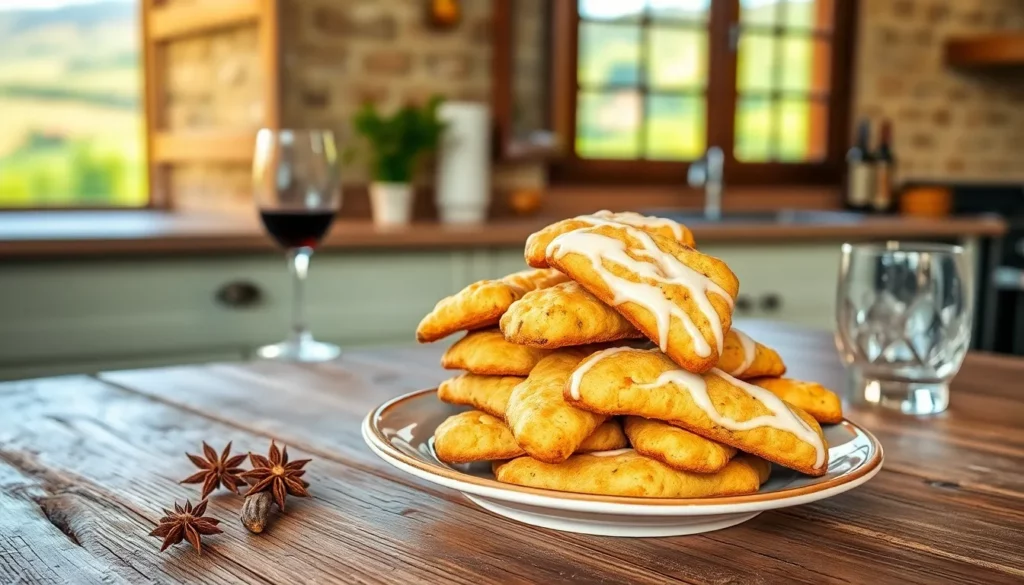
Anice refers to a category of traditional Italian cookies and pastries that are prominently flavored with anise seeds or anise extract. The term itself is the Italian word for anise, and these treats are known for their distinctive licorice-like aroma and subtle sweetness. Originating in various regions across Italy, particularly in Sicily, Campania, and Tuscany, Anice cookies are typically made from simple ingredients such as flour, sugar, eggs, butter or olive oil, and, of course, anise. They are often enjoyed as a snack with coffee, tea, or a glass of sweet wine, and they hold a special place in festive occasions and family gatherings.
Origin & History
The use of anise in Italian cooking dates back to ancient Roman times, when the spice was prized for its digestive properties and used in both savory and sweet dishes. The Romans introduced anise to the Italian peninsula, and it quickly became a staple in Mediterranean cuisine. By the Middle Ages, anise was commonly used in monastic kitchens to flavor breads and cookies, and it was believed to ward off evil spirits and promote good health. The first documented recipes for anise cookies appear in Renaissance cookbooks, such as those by Bartolomeo Scappi, who included anise in various biscuit preparations. Over centuries, each region developed its own interpretation, influenced by local ingredients and traditions. In Sicily, for example, the influence of Arab cuisine introduced additional spices like cinnamon and cloves, while in Tuscany, the cookies remained more austere, relying on the pure flavor of anise. Today, Anice cookies are a cherished part of Italy’s culinary heritage, often associated with holidays like Christmas and Easter, as well as with everyday moments of conviviality.
What’s In It
The core ingredients of Anice cookies are remarkably simple, yet the quality and proportion of each element can dramatically affect the final texture and flavor. The essential components include:

- Flour: Typically all-purpose or “00” flour for a tender crumb.
- Sugar: Granulated white sugar, sometimes combined with honey for added moisture.
- Eggs: Provide structure and richness; some recipes use only yolks for a more delicate cookie.
- Fat: Butter, olive oil, or lard – each imparts a distinct character. Butter yields a richer cookie, while olive oil gives a fruity note common in southern Italy.
- Anise: Whole or ground anise seeds, or anise extract. The seeds are often toasted to intensify their aroma.
- Leavening: Baking powder or baking soda to achieve the desired lightness.
- Optional additions: Lemon or orange zest, vanilla, almonds, pine nuts, or a splash of liqueur like Sambuca.
Preparation methods vary: some doughs are shaped into logs and sliced (biscotti-style), while others are rolled into balls or formed into rings. The cookies are typically baked until golden and then sometimes glazed with a simple icing or dusted with powdered sugar. It is important to note that Anice cookies are distinct from other anise-flavored Italian sweets such as torrone (nougat) or panforte (dense fruit cake), which have different textures and ingredient profiles.
Regional Variations
Anice cookies are not a monolithic dish; they vary significantly across Italy. Below is a comparison of three major regional styles:
| Region | Name | Texture | Key Characteristics |
|---|---|---|---|
| Sicily | Biscotti all’anice or Anicini | Hard and crunchy | Often twice-baked, flavored with anise seeds and sometimes almonds. Dipped in sweet wine like Marsala. |
| Campania | Taralli all’anice | Soft and chewy | Ring-shaped, boiled before baking, with a tender crumb. Often glazed with a lemon-anise icing. |
| Tuscany | Biscotti di Prato all’anice | Dry and crunchy | Similar to classic cantucci but with anise instead of almonds. Traditionally served with Vin Santo. |
Other notable variations include the Biscotti all’anice della nonna from Lombardy, which are soft and cake-like, and the Anice di San Giovanni from Puglia, a large, round cookie decorated with colored sprinkles for the feast of Saint John.
How It’s Traditionally Eaten
Anice cookies are versatile in their consumption. They are most commonly served as a dolce (dessert) or as a merenda (afternoon snack). In many Italian households, they accompany a mid-morning espresso or a post-dinner glass of liqueur such as Sambuca, Limoncello, or Vin Santo. During holidays, they are often arranged on platters alongside other cookies and dried fruits. In Sicily, biscotti all’anice are traditionally dunked in sweet wine or coffee to soften them. In Campania, taralli all’anice are enjoyed as a breakfast treat with milk or caffè latte. While not typically served as a formal course, they can appear as part of a buffet di dolci at weddings or baptisms. The cookies are also a common homemade gift, wrapped in cellophane and tied with ribbon.
Common Mistakes / What It’s Not
One frequent misconception, especially outside Italy, is that all anise-flavored cookies are the same. In reality, the term “Anice” encompasses a wide range of textures and shapes. Another mistake is confusing anise with star anise: while both have a similar licorice flavor, star anise is a different spice (Illicium verum) and is not traditional in Italian Anice cookies. Additionally, some American-Italian recipes substitute anise extract for seeds, which can result in a less nuanced flavor. It is also incorrect to assume that Anice cookies are always hard and crunchy; as shown above, many regional versions are soft. Finally, Anice cookies should not be confused with pizzelle (wafer cookies) or struffoli (fried dough balls), which are distinct Italian sweets.
Where to Try It / What to Order
To experience authentic Anice cookies, travelers should seek out local bakeries (pasticcerie) in the regions where they are most traditional. In Sicily, visit a pasticceria in Palermo or Catania and ask for biscotti all’anice or anicini. In Campania, head to a forno in Naples or Salerno and order taralli all’anice. In Tuscany, look for biscotti di Prato all’anice in the town of Prato itself. Many Italian festivals, such as the Sagra del Biscotto all’Anice in the town of San Giovanni in Persiceto (Emilia-Romagna), celebrate these cookies. For those unable to travel, reputable online Italian food stores offer artisanal versions. When ordering, specify whether you prefer a hard or soft texture, and ask if the cookies are made with anise seeds or extract. Pair them with a local wine or liqueur for the full experience.
Related Dishes
FAQ
What is Anice in Italian cuisine?
Anice refers to anise-flavored cookies and pastries, made with anise seeds or extract. They are traditional in many Italian regions and vary in texture and shape.
How is Anice different from biscotti?
While some Anice cookies are twice-baked like biscotti, the term 'biscotti' is a broad category. Anice specifically denotes anise flavoring, and many Anice cookies (e.g., taralli all'anice) are soft, not crunchy.
Can I substitute anise with fennel in Anice cookies?
Fennel seeds have a milder, sweeter anise flavor and can be used, but the result will be less intense. Traditional recipes call for anise seeds or extract.
Are Anice cookies gluten-free?
Traditional Anice cookies are made with wheat flour, but gluten-free versions using rice or almond flour exist. Always check with the baker.
What wine pairs best with Anice cookies?
Sweet wines like Vin Santo, Marsala, or Moscato d'Asti complement the anise flavor. In Sicily, a glass of Passito is also traditional.
Leave a Reply