
Short Answer
What Is Cannella? Italian Dessert Explained
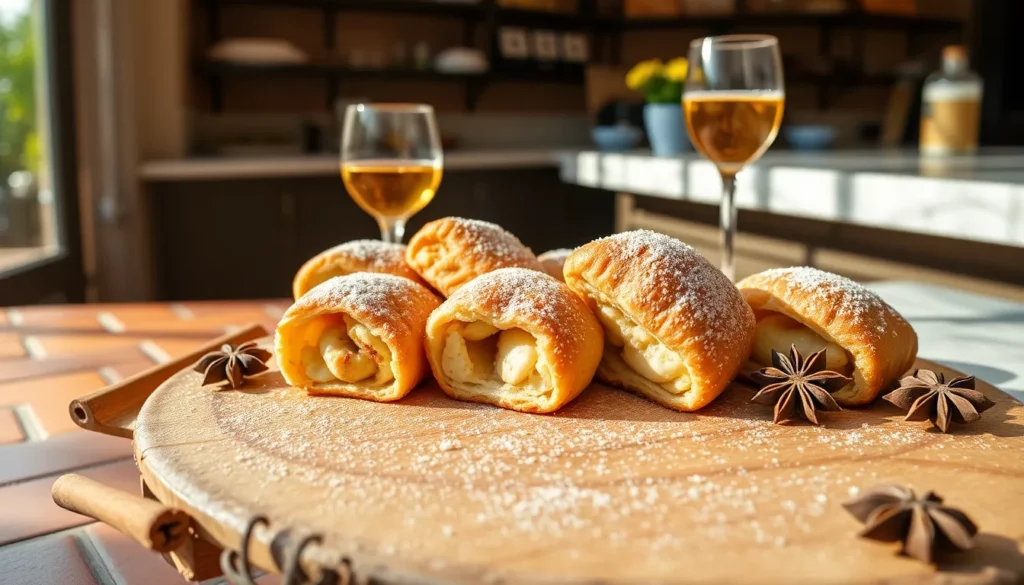
Cannella is a traditional Italian dessert originating from the Campania region, particularly the areas around Naples and Salerno. It consists of a small, baked pastry shell—often shaped like a short tube or a small roll—filled with a smooth, sweet ricotta cream heavily scented with cinnamon. The name itself derives from the Italian word for cinnamon (cannella), reflecting the spice’s central role. Key ingredients include flour, butter, sugar, eggs, ricotta cheese, and, of course, high-quality ground cinnamon. Unlike many Italian pastries that rely on vanilla or citrus zest, cannella’s flavor profile is defined by warm, woody cinnamon notes, making it a distinctive treat during autumn and winter holidays.
Origin & History
The exact origins of cannella are debated, but most culinary historians trace it to the convents of Campania in the 17th century. Nuns in the region of Salerno, known for their pastry-making skills, are said to have created cannella as a way to use leftover ricotta and to incorporate cinnamon, a spice that arrived via the maritime trade routes of the Amalfi Republic. Unlike cannoli, which have Sicilian roots and are typically fried, cannella was baked in wood-fired ovens, giving it a lighter, more crumbly texture. Historical documents from the 18th century mention “cannelle” in Neapolitan cookbooks, describing them as “small cinnamon rolls filled with sweet cream.” The dessert remained a local specialty until the 20th century, when Italian immigrants brought the recipe to the United States, where it was often confused with cannoli. Today, cannella is experiencing a revival among artisanal pastry chefs who seek to preserve regional diversity.
What’s In It
The core ingredients of cannella are simple but require careful selection. The pastry dough is made from 00 flour, cold butter, sugar, egg yolks, and a pinch of salt. Some versions add a splash of Marsala wine or lemon zest for complexity. The filling is a mixture of fresh sheep’s milk ricotta (or cow’s milk ricotta), powdered sugar, and a generous amount of ground cinnamon—often 1–2 teaspoons per cup of ricotta. Unlike cannoli, cannella filling rarely includes chocolate chips or candied fruit; the cinnamon is the star. The assembled pastries are brushed with egg wash and baked until golden. A final dusting of cinnamon sugar is applied while still warm. Cannella is distinct from cannoli (fried, larger, often with chocolate chips) and sfogliatella (layered, clamshell-shaped, filled with semolina and ricotta). It is also different from cannelloni, which are savory pasta tubes.
Regional Variations
Cannella varies across Italy, reflecting local tastes and available ingredients. Below is a comparison of three major regional styles:
| Region | Pastry Type | Filling | Key Difference |
|---|---|---|---|
| Campania (Naples) | Baked, short tube (5–7 cm) | Sheep’s milk ricotta, cinnamon, sugar | Classic version; often served with a dusting of cinnamon sugar |
| Sicily | Fried, slightly larger (8–10 cm) | Cow’s milk ricotta, cinnamon, sometimes pistachio bits | Influenced by cannoli; fried shell gives a crunchier texture |
| Puglia | Baked, rolled into a spiral | Ricotta with cinnamon and grated lemon zest | Spiral shape; lighter, more citrus-forward flavor |
In addition, some modern interpretations in Rome and Milan use mascarpone instead of ricotta, or add a drizzle of honey. However, purists insist that authentic cannella must highlight cinnamon above all else.
How It’s Traditionally Eaten
Cannella is typically served as a dolce (dessert) after lunch or dinner, often accompanied by a small glass of sweet wine such as Passito di Pantelleria or a simple espresso. In Campania, it is a staple during the Christmas season and on the feast day of Saint Joseph (March 19), when pastry shops display trays of cannella alongside other holiday treats. It is not eaten as a breakfast pastry or a snack; its richness makes it a special-occasion dessert. When served, cannella is usually arranged on a platter, sometimes with a light dusting of additional cinnamon and a few fresh mint leaves for color. Travelers in Naples should look for pasticcerie that bake cannella fresh daily, as the pastry is best consumed within a few hours of baking.
Common Mistakes / What It’s Not
One of the most frequent misconceptions is that cannella is simply a smaller version of cannoli. While both use ricotta, cannella is baked, not fried, and its shell is more delicate and crumbly. Another mistake is overloading the filling with vanilla or chocolate, which masks the cinnamon. Authentic cannella should taste distinctly of cinnamon, not of generic sweet cream. Additionally, some American-Italian bakeries sell “cannella” as a cinnamon roll with cream cheese frosting—this is a completely different product. True cannella is not a yeast-risen dough; it is a shortcrust pastry. Finally, the name “cannella” should not be confused with “cannellini” (white beans) or “cannelloni” (pasta tubes). When ordering in Italy, specify “cannella dolce” to avoid confusion.
Where to Try It / What to Order
For the most authentic experience, visit the Pasticceria Scaturchio in Naples, which has been making cannella since 1905. In Salerno, try Pasticceria Pantaleone, known for its traditional recipe. In Sicily, head to Pasticceria Cappello in Palermo for a fried version. If you are in the United States, seek out Italian bakeries in New York’s Little Italy or Boston’s North End that specialize in regional pastries—ask specifically for “cannella” and confirm it is baked. When ordering, request it plain or with a dusting of cinnamon sugar; avoid versions with excessive toppings. The best time to find cannella is during the Christmas season, but many artisanal shops offer it year-round.
Related Dishes
FAQ
What is cannella in Italian cuisine?
Cannella is a traditional Italian dessert from Campania, consisting of a small baked pastry shell filled with cinnamon-spiced ricotta cream. The name means 'cinnamon' in Italian, reflecting its dominant flavor.
How is cannella different from cannoli?
Cannella is baked, smaller, and has a crumbly shortcrust pastry, while cannoli are fried, larger, and have a crunchy shell. Cannella’s filling is purely cinnamon-flavored ricotta, whereas cannoli often include chocolate chips or candied fruit.
Where can I try authentic cannella?
The best places are traditional pasticcerie in Naples and Salerno, such as Pasticceria Scaturchio or Pasticceria Pantaleone. In Sicily, fried versions are available. In the US, seek out Italian bakeries that specialize in regional desserts and ask for baked cannella.

Leave a Reply