
Short Answer
What It Is
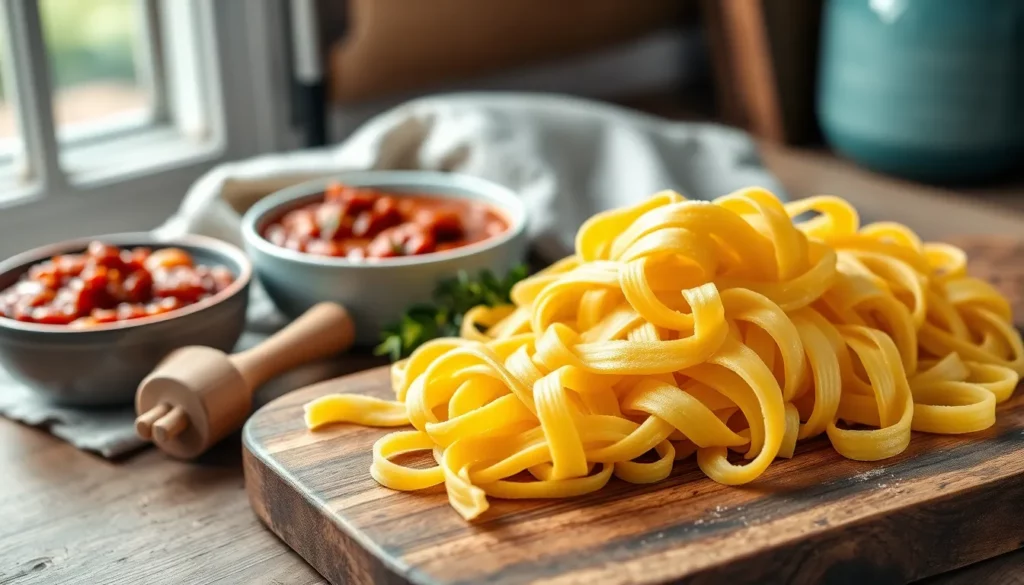
Garganelli (singular: garganello) is a traditional egg pasta originating from the Emilia-Romagna region of northern Italy, particularly the provinces of Bologna and Modena. Its name derives from the Italian word garganello, meaning “little throat” or “quill,” referencing the wooden stick used to shape the pasta. Unlike extruded pastas, Garganelli is made by hand or with a small wooden dowel: a square of fresh egg dough is rolled around the stick, then pressed against a ridged board (or a pettine, a comb-like tool) to create the characteristic diagonal ridges. This technique gives Garganelli a porous, rough surface that clings to sauces exceptionally well.
Garganelli is classified as a pasta all’uovo (egg pasta) and is recognized as a Prodotto Agroalimentare Tradizionale (PAT) by the Italian Ministry of Agricultural Policies. While it does not hold a DOP or PGI designation, its artisanal production is protected under the PAT scheme, which safeguards traditional methods and regional heritage. The dough typically consists of soft wheat flour (farina 00) and fresh eggs, with a ratio of about 100 grams of flour per egg, yielding a rich, golden color and tender texture.
“Garganelli is the perfect marriage of shape and sauce – the ridges hold every drop of ragù, while the egg-enriched dough provides a silky bite.” – Traditional Bolognese saying
Types & Grades
While Garganelli is not aged or graded like cheese or cured meats, variations exist based on production scale, drying method, and size. The following table outlines the main types encountered in the market:
| Type | Description | Best Use |
|---|---|---|
| Fresh Garganelli | Made by hand or with a garganello tool; sold fresh or frozen. Dough is soft and pliable, cooked in 2–3 minutes. | Ideal for delicate sauces (butter, sage, cream) or light ragùs; also used in brodo (broth). |
| Artisanal Dried Garganelli | Slow-dried at low temperatures, often extruded through bronze dies to retain a rough texture. Shelf-stable. | Excellent for hearty ragùs (Bolognese, duck, wild boar) and baked pasta dishes. |
| Industrial Dried Garganelli | Mass-produced using Teflon dies, resulting in a smooth surface. Often made with semolina and water, not eggs. | Less authentic; suitable for quick meals but lacks the egg richness and sauce adhesion. |
| Mini Garganelli | Smaller version, about half the size of standard Garganelli. | Perfect for soups or as a pasta in brodo; also used in salads. |
Grades are not officially defined, but connoisseurs distinguish by egg content (higher egg-to-flour ratio indicates superior quality) and by the use of bronze dies versus Teflon. Authentic Garganelli should have a rough, matte surface and a deep yellow hue from fresh eggs.
How It’s Used in Cooking
Garganelli’s shape and texture make it a versatile pasta in traditional Emilia-Romagna cuisine. Its ridges and hollow center trap sauces, while the egg dough provides a tender yet firm bite. Below are classic applications:
Traditional Pairings
- Ragù alla Bolognese – The most iconic pairing. Garganelli’s ridges hold the slow-cooked meat sauce, and the egg pasta complements the richness.
- Ragù d’Anatra (Duck Ragù) – A specialty of the region, often flavored with rosemary and red wine.
- Burro e Salvia (Butter and Sage) – A simple, elegant preparation that highlights the pasta’s egg flavor.
- Prosciutto e Piselli – A spring dish with diced prosciutto, peas, and a light cream sauce.
- In Brodo – Garganelli served in a clear meat or vegetable broth, often with grated Parmigiano-Reggiano.
Baked Dishes
Garganelli works well in pasta al forno (baked pasta) because its sturdy shape holds up to prolonged cooking. Combine with béchamel, ragù, and mozzarella for a comforting casserole.
Professional Tips
Chefs recommend cooking Garganelli al dente and reserving pasta water to adjust sauce consistency. Because fresh Garganelli cooks quickly (2–3 minutes), it should be added to boiling salted water just before serving. Dried versions require 8–10 minutes. Always pair with a sauce that matches the pasta’s robustness – avoid overly thin or watery sauces.
How to Choose/Identify Authentic Garganelli
For commercial buyers and home cooks seeking genuine Garganelli, the following cues distinguish authentic artisan pasta from imitations:
- Ingredient List – Authentic Garganelli contains only farina 00 (or soft wheat flour) and fresh eggs. No water, no additives, no colorings. Dried versions may include a small amount of semolina for structure, but eggs should be the primary liquid.
- Color – A rich, golden yellow indicates high egg content. Pale or orange hues may suggest artificial coloring or low egg ratio.
- Surface Texture – Look for a rough, matte finish. Smooth, shiny pasta is likely extruded through Teflon dies and will not hold sauce as well. Bronze-die extrusion leaves a porous surface that is ideal for sauce adhesion.
- Shape Consistency – Hand-rolled Garganelli may have slight variations in size and ridge pattern, which is a mark of authenticity. Perfectly uniform shapes often indicate industrial production.
- Packaging and Origin – Seek products from Emilia-Romagna or from reputable Italian pasta makers. Look for the PAT logo or references to traditional methods. Avoid packages that list “durum wheat semolina” as the sole flour – that is typical of dry pasta, not egg pasta.
- Price – Authentic artisan Garganelli is more expensive due to the use of fresh eggs and labor-intensive shaping. Extremely cheap options are likely mass-produced and lack the egg content.
Substitutes
When Garganelli is unavailable, several Italian pasta shapes can serve as substitutes, depending on the dish:
- Penne Rigate – The closest shape in terms of ridges and tube form. However, penne is typically made from semolina and water, not eggs. Use for hearty ragùs where egg richness is less critical.
- Tagliatelle – A classic egg pasta from the same region. Its flat, ribbon shape works well with ragù alla bolognese, though it lacks the ridges. Best for dishes where sauce coating is more important than trapping.
- Pappardelle – Wide egg noodles that pair excellently with slow-cooked meat sauces, especially duck or wild boar. They provide a similar egg flavor and texture.
- Fettuccine – Another egg pasta, slightly narrower than tagliatelle. Suitable for creamy sauces or butter-based preparations.
- Rigatoni – Large, ridged tubes that hold chunky sauces well. Not egg-based, but the ridges mimic Garganelli’s sauce-gripping ability.
For dishes where the egg component is essential (e.g., butter and sage), choose another egg pasta like tagliatelle or pappardelle. For baked dishes, rigatoni or penne are practical alternatives.
Conclusion
Garganelli is a jewel of Emilia-Romagna’s pasta tradition, combining the richness of egg dough with a meticulously crafted shape that elevates any sauce. Whether fresh or artisanal dried, its rough ridges and tender bite make it a favorite among chefs and home cooks alike. By understanding its origins, production nuances, and authentic characteristics, you can select the best Garganelli for your kitchen and honor the centuries-old craft of Italian pasta making.
FAQ
What is the origin of Garganelli?
Garganelli originated in the Emilia-Romagna region of Italy, specifically in the provinces of Bologna and Modena. It is a traditional egg pasta shaped by rolling a square of dough around a wooden stick called a garganello, then pressing it against a ridged board to create diagonal ridges.
How is Garganelli different from Penne?
Garganelli is a fresh egg pasta made with soft wheat flour and eggs, giving it a rich yellow color and tender texture. Penne is typically a dried pasta made from durum wheat semolina and water. Garganelli is hand-rolled with ridges, while penne is extruded through a die. The egg content and shaping method give Garganelli a distinct flavor and sauce-holding ability.
Can I make Garganelli at home?
Yes, Garganelli can be made at home with a simple dough of 100g soft wheat flour (farina 00) and one large egg per serving. Roll the dough into a thin sheet, cut into 2–3 cm squares, then roll each square around a wooden skewer or a garganello tool, pressing against a ridged surface (or a comb) to form the ridges. Fresh Garganelli cooks in 2–3 minutes.

Leave a Reply