
Short Answer
What Is Griglia? Italian Grilling Tradition Explained
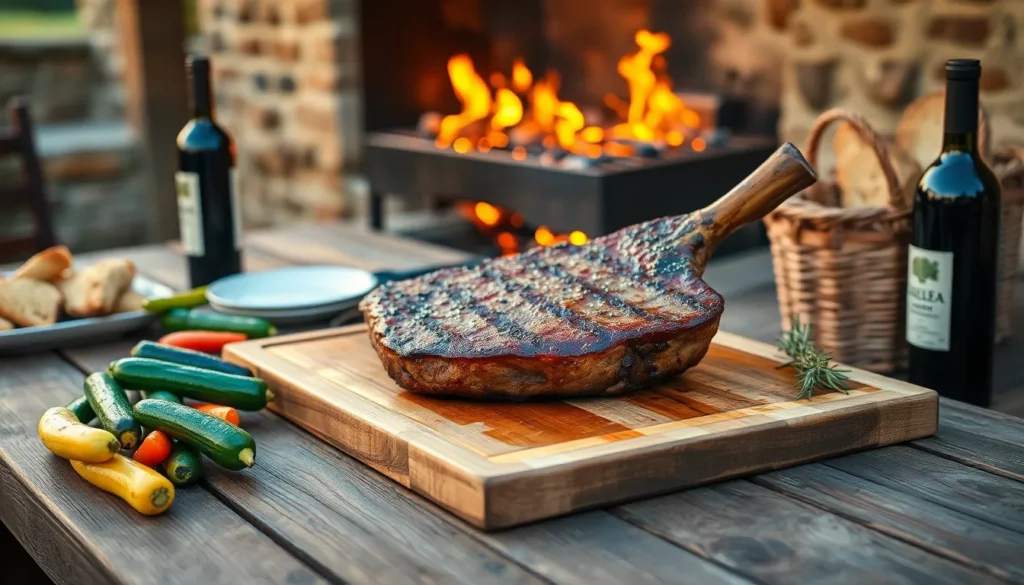
Griglia (pronounced GREE-lyah) is the Italian term for a grill or griddle, but in culinary context it refers to the method of cooking food directly over an open flame or hot coals. Unlike American barbecue, which often involves slow smoking with wood chips, Italian griglia emphasizes high heat, simplicity, and the pure flavor of quality ingredients. Originating from the rustic kitchens of central and southern Italy, griglia is used for meats, fish, vegetables, and even bread. Key ingredients include olive oil, salt, pepper, and fresh herbs like rosemary. The technique is celebrated for its ability to create a smoky, charred exterior while keeping the interior tender and juicy.
Origin & History
The practice of grilling in Italy dates back to ancient Roman times, when craticula (gridirons) were used to cook meat over open fires. However, the modern concept of griglia as a distinct culinary tradition emerged in the Renaissance, particularly in Tuscany. The bistecca alla Fiorentina, a thick-cut T-bone steak from Chianina cattle, became a symbol of Florentine grilling. Historical records from the 15th century mention the use of olive wood embers to impart a unique flavor. In the 19th century, the brace (a portable grill) became popular among shepherds in Abruzzo, leading to the invention of arrosticini – skewers of mutton. Today, griglia is celebrated in festivals like the Sagra della Bistecca in Tuscany and the Festa della Grigliata in coastal towns.
What’s In It
Griglia is not a single dish but a method applied to various ingredients. Core components include:
- Meat: Beef (especially Chianina for bistecca), pork (salsicce, costine), lamb (abbacchio), and chicken.
- Fish and Seafood: Sea bass, bream, squid, shrimp, and sardines – often marinated in lemon, olive oil, and herbs.
- Vegetables: Eggplant, zucchini, bell peppers, asparagus, and radicchio – brushed with olive oil and grilled until tender.
- Bread: Pane sciocco (unsalted Tuscan bread) or crostini are often grilled and rubbed with garlic.
- Seasonings: Extra-virgin olive oil, coarse salt, black pepper, rosemary, sage, and sometimes chili flakes.
Preparation nuances: The grill must be very hot; coals are preferred over gas for authentic flavor. Meat is often seasoned simply just before cooking, while fish may be marinated briefly. Unlike American BBQ, Italian griglia rarely uses sweet sauces; instead, a drizzle of olive oil and a squeeze of lemon finish the dish.
Regional Variations
Griglia varies significantly across Italy, reflecting local ingredients and traditions. Below is a comparison of three major regions:
| Region | Signature Dish | Key Characteristics |
|---|---|---|
| Tuscany | Bistecca alla Fiorentina | Thick-cut T-bone steak (1–1.5 kg) from Chianina cattle, grilled over olive wood embers, seasoned only with salt, pepper, and olive oil. Served rare (al sangue). |
| Abruzzo | Arrosticini | Small skewers of mutton or lamb, grilled over a long, narrow charcoal grill called fornacella. Seasoned with salt and sometimes chili. Eaten as street food. |
| Sicily | Grigliata di Pesce | Mixed seafood grill featuring swordfish, tuna, sardines, and shrimp, often marinated in lemon, oregano, and olive oil. Served with grilled vegetables and caponata. |
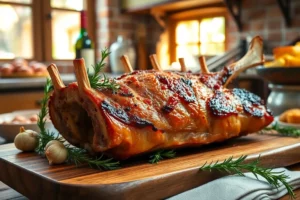
Other notable variations: In Lazio, abbacchio alla scottadito (grilled lamb chops) is a Easter specialty. In Puglia, focaccia alla griglia (grilled flatbread) is common. In Campania, salsicce e friarielli (grilled sausages with broccoli rabe) is a classic.
How It’s Traditionally Eaten
Griglia is typically served as a secondo (main course) after a primo (pasta or soup) and before contorno (side dishes) or dolce. It is often accompanied by grilled vegetables, a simple salad, or crostini. Wine pairings vary: a bold Chianti Classico for bistecca, a crisp Verdicchio for seafood, or a Montepulciano d’Abruzzo for arrosticini. Occasions range from everyday family dinners to festive gatherings like Ferragosto (August 15) when entire communities grill outdoors. In Italy, grilling is a social event – the grigliata is a party where the cook (often the man of the house) presides over the fire.
Common Mistakes / What It’s Not
Many American-Italian misconceptions surround griglia. It is not the same as American barbecue, which uses low heat and sweet, tomato-based sauces. Italian griglia relies on high heat and minimal seasoning. It is not a dish itself but a technique – ordering “griglia” in a restaurant would be confusing; instead, ask for “grigliata mista” (mixed grill) or a specific item “alla griglia”. Another mistake is using gas grills; purists insist on charcoal or wood. Also, avoid marinating meat for hours – Italian griglia prefers a light touch. Finally, do not serve grilled meat with heavy sauces; a drizzle of good olive oil is sufficient.
Where to Try It / What to Order
For an authentic experience, visit these locations:
- Florence, Tuscany: Trattoria dall’Oste or Il Latini for Bistecca alla Fiorentina. Order it al sangue (rare) and share with friends.
- Pescara, Abruzzo: Look for arrosticini at street stalls or trattorias like Taverna 58. Ask for “un’ordine di arrosticini” (an order of skewers).
- Catania, Sicily: Try Grigliata di Pesce at La Pescheria or Osteria Antica Marina. Specify “grigliata mista di pesce” for a mixed seafood platter.
- Rome, Lazio: For abbacchio alla scottadito, visit Da Enzo al 29 in Trastevere during Easter season.
Festivals: The Sagra della Bistecca in Cortona (August) and Festa della Grigliata in San Benedetto del Tronto (July) are excellent opportunities.
Related Dishes
FAQ
What is the difference between griglia and barbecue?
Griglia is Italian grilling over high heat with minimal seasoning, while barbecue (especially American) involves low heat, smoke, and often sweet sauces. Italian griglia focuses on the natural flavor of the ingredient.
What is the most famous griglia dish?
Bistecca alla Fiorentina from Tuscany is the most iconic, but arrosticini from Abruzzo and grigliata di pesce from Sicily are also highly celebrated.
Can I use a gas grill for authentic griglia?
Purists prefer charcoal or wood embers for the smoky flavor. Gas grills can be used but will not produce the same authentic taste. If using gas, add wood chips for smoke.
What wine pairs best with a grigliata mista?
For mixed grills with both meat and seafood, a versatile red like Montepulciano d'Abruzzo or a full-bodied white like Fiano di Avellino works well.
Is griglia healthy?
Yes, griglia is considered healthy because it uses minimal oil and fat, and the high heat renders excess fat. Grilled vegetables are especially nutritious.
Leave a Reply