
Short Answer
What Is Gusto? Italian Culinary Philosophy Explained
Gusto is the Italian word for taste, but in the context of Italian cuisine, it represents a holistic culinary philosophy that prioritizes the balance of flavors, the quality of ingredients, and the preservation of regional traditions. Unlike the English word “taste,” which often refers to a single sensory experience, gusto encompasses the entire sensory and cultural appreciation of food—from the aroma of fresh basil to the texture of handmade pasta. Rooted in centuries of agricultural and artisanal practices, gusto is the guiding principle behind Italy’s most beloved dishes, from a simple Pomodoro sauce to a complex Brasato al Barolo. It is not a recipe but a mindset: every ingredient must be respected, every technique must be intentional, and every dish must tell a story of its place of origin.
Origin & History
The concept of gusto has deep historical roots in Italian culture, emerging from the Renaissance humanist idea that food should nourish both body and soul. The earliest documented references to gusto as a culinary ideal appear in 15th-century cookbooks such as Libro de arte coquinaria by Maestro Martino, who emphasized the importance of balancing sweet, sour, salty, and bitter flavors. This philosophy was further refined during the 19th century with the unification of Italy, when Pellegrino Artusi’s La scienza in cucina e l’arte di mangiar bene codified regional recipes under a national umbrella, promoting the idea that gusto is achieved through simplicity and respect for local ingredients. Myths often associate gusto with elaborate presentations, but historically, it was born from cucina povera—the peasant tradition of transforming humble ingredients into flavorful meals through careful technique. For example, the use of soffritto (a slow-cooked base of onion, carrot, and celery) is a quintessential expression of gusto, extracting maximum flavor from minimal resources.
What’s In It
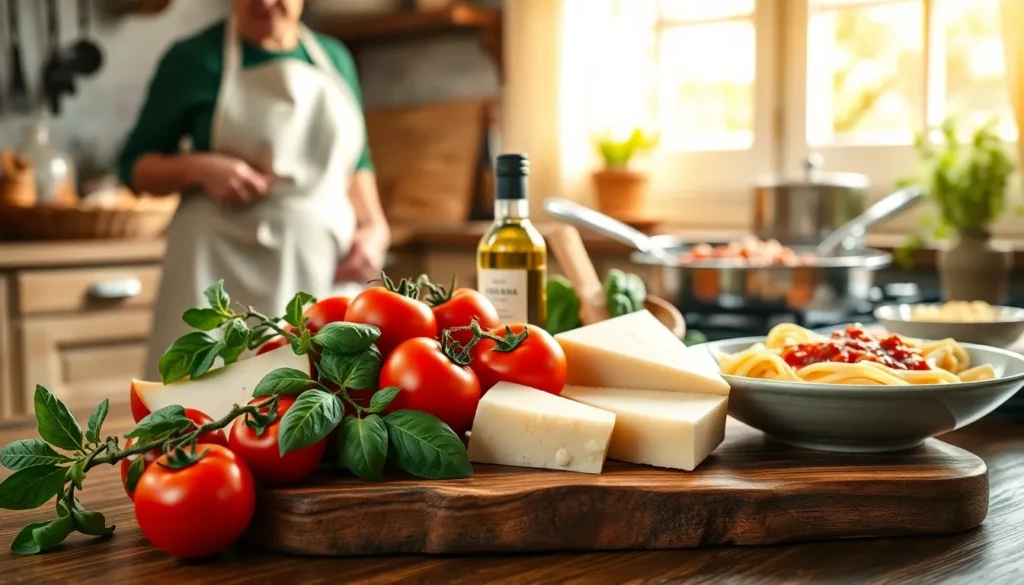
Gusto is not a dish with a fixed ingredient list, but rather a set of principles that guide the selection and preparation of ingredients. Core elements include:
- Extra-virgin olive oil: The foundation of Italian cooking, used both raw and cooked to add fruitiness and depth.
- Fresh herbs: Basil, rosemary, sage, and oregano are used to brighten dishes without overpowering.
- Seasonal vegetables: Tomatoes in summer, pumpkins in autumn—gusto demands that ingredients be at their peak.
- Artisanal cheeses: Parmigiano-Reggiano, Pecorino, and Mozzarella di Bufala are chosen for their distinct flavors and textures.
- Cured meats: Prosciutto, salami, and pancetta add umami and saltiness.
- Handmade pasta: Fresh or dried, pasta is the canvas for sauces that highlight regional gusto.
Preparation nuances include the soffritto technique, slow cooking to meld flavors, and the rule of non si butta via niente (waste nothing). Gusto differs from similar concepts like umami (a specific savory taste) in that it is a broader sensory and cultural appreciation, not a single flavor profile.
Regional Variations
Gusto manifests differently across Italy’s twenty regions, each interpreting the philosophy through local ingredients and traditions. The table below compares three major regions:
| Region | Key Characteristics | Signature Dish | Gusto Principle |
|---|---|---|---|
| Campania (Naples) | Bold, sun-ripened flavors; heavy use of tomatoes, garlic, and olive oil | Pizza Margherita | Simplicity: few ingredients, each at its peak |
| Lazio (Rome) | Rich, savory dishes with pecorino, guanciale, and offal | Pasta alla Carbonara | Balance: creamy egg yolk, salty cheese, crispy pork |
| Sicily | Sweet-sour contrasts, seafood, and exotic spices from Arab influence | Caponata | Complexity: layers of sweet, sour, salty, and bitter |
In the north, regions like Lombardy emphasize butter and rice (e.g., Risotto alla Milanese), while Tuscany celebrates cucina povera with dishes like Ribollita. Each region’s gusto is a reflection of its history, climate, and agriculture.
How It’s Traditionally Eaten
Gusto is experienced across the entire Italian meal structure. In a traditional pranzo (lunch) or cena (dinner), the sequence of courses allows each dish to contribute to the overall gustatory experience. Antipasti (appetizers) awaken the palate with cured meats, cheeses, and marinated vegetables. Primi (first courses) like pasta or risotto provide comfort and depth. Secondi (main courses) of meat or fish are often simple, letting the protein shine. Contorni (side dishes) of vegetables or salads add freshness. Finally, dolci (desserts) and caffè conclude the meal. Gusto is not reserved for special occasions; it is an everyday practice, from a quick pasta aglio e olio to a festive lasagna. Pairings with local wines (e.g., Chianti with Tuscan dishes) are integral to enhancing gusto.
Common Mistakes / What It’s Not
Many American-Italian misconceptions distort the true meaning of gusto. First, gusto is not about heavy sauces or excessive cheese; authentic Italian cooking uses cheese sparingly to complement, not overwhelm. Second, gusto is not synonymous with “spicy”—Italian cuisine relies on aromatic herbs, not chili heat (except in some southern regions). Third, gusto is not achieved by adding garlic to everything; garlic is used judiciously, often just rubbed on bread or sautéed lightly. Fourth, gusto is not about expensive ingredients; cucina povera proves that humble foods can deliver profound flavor. Finally, gusto is not a fixed recipe but a flexible philosophy—Italians adapt to what is fresh and local, not to a rigid formula.
Where to Try It / What to Order
To experience true gusto, travelers should seek out trattorie and osterie that source locally and cook seasonally. In Emilia-Romagna, order Tortellini in Brodo to taste the depth of a simple broth. In Campania, a Margherita from a wood-fired oven in Naples reveals the power of few ingredients. In Sicily, Pasta con le Sarde showcases the island’s sweet-sour balance. For a hands-on experience, attend a sagra (food festival) in a small town, where local specialties are prepared with generations-old techniques. Ordering tips: ask for piatti del giorno (daily specials) and trust the chef’s recommendations—they embody the day’s best gusto.
Related Dishes
FAQ
What does gusto mean in Italian cooking?
Gusto literally means 'taste' in Italian, but in culinary context it refers to a philosophy that prioritizes balance, quality ingredients, and regional authenticity. It is the guiding principle behind traditional Italian dishes.
How is gusto different from umami?
Umami is a specific savory taste sensation, one of the five basic tastes. Gusto is a broader concept that encompasses the entire sensory and cultural experience of food, including aroma, texture, and the story behind the ingredients.
Can gusto be achieved outside Italy?
Yes, by following the principles of gusto: using fresh, seasonal, high-quality ingredients, respecting traditional techniques, and adapting to local produce. The key is to prioritize flavor and balance over complexity.



Leave a Reply